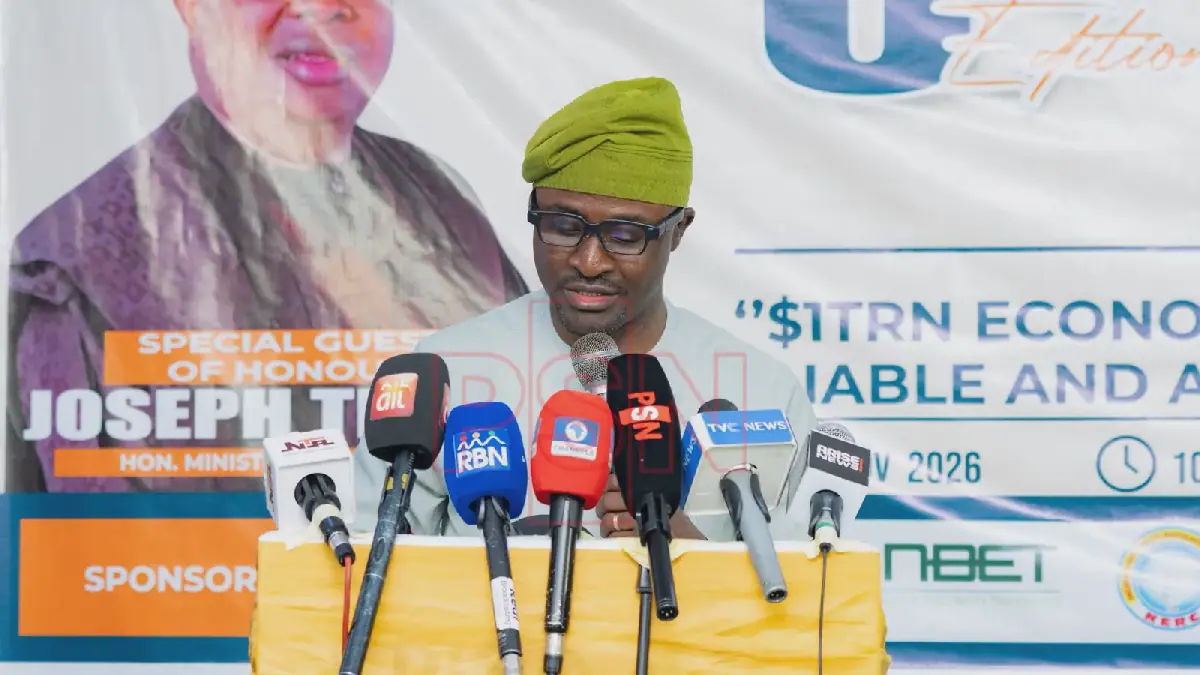
The Lagos State Government is working to more than triple its grid electricity from under 1,000 MW to over 3,000 MW by March 2027. This move is part of a larger plan to address the state's growing energy needs, with projected peak demand expected to reach 4,000 MW by 2030. According to Ibilola Kasunmu, Permanent Secretary of the Lagos State Ministry of Energy and Mineral Resources, the state projects its population will reach about 24 million by 2030, and expects its economy to grow to N106.3 trillion by 2028.
The current electricity supply gap in Lagos is significant, with the state receiving less than 1,000 megawatts from the national grid against demand exceeding 6,000 megawatts. To address this, the state has identified three major constraints: reliable power supply, delivery infrastructure, and electricity market liquidity. The Lagos State Electricity Regulatory Commission has approved 14 electricity licences and permits covering off-grid and embedded generation, independent distribution, metering services, and interconnected mini-grid operations.
Several projects are underway to increase electricity generation in Lagos. Fenchurch Power is rebuilding the 26-megawatt Akute Independent Power Project under a concession with the Lagos State Government. In April 2026, Mainland Power, Fenchurch Power, and Viathan signed agreements to expand electricity generation in Lagos. Elektron Energy is developing a 40-megawatt power project on Victoria Island, and Sahara Power is developing a 12-megawatt independent power project in Ogba.
At the federal level, the 2027 "Renewed Hope Agenda 2.0" targets 200,000 homes, a N1 trillion mortgage refinance fund, and one million digital land titles. The manifesto proposes capitalizing the Mortgage Refinance and Investment Fund towards N1 trillion to support 20-year fixed-rate mortgages, and raising the Federal Mortgage Bank of Nigeria's loan ceiling from N50 million to N85 million.
The federal government's plans also include housing and health pledges. The 2027 manifesto promises to build 200 homes in each of the 774 local government areas, totalling 154,800 units, and deliver 200,000 homes during the next term. On health, the 2027 manifesto repeats the 40 per cent health insurance target but moves the deadline to 2031.
The Lagos State Government's strategy to address the state's energy needs involves both state-led power expansion and federal housing reform. The success of these plans depends on financing mechanisms and infrastructure delivery rather than targets alone. The state aims to increase its electricity supply to meet growing demand, with annual electricity consumption projected at 22.8 terawatt-hours.
The implementation of these plans will be crucial in meeting Lagos' growing energy needs. With a nominal GDP of N54.77 trillion, representing 22.36 per cent of Nigeria's GDP, Lagos State requires a reliable and efficient electricity supply to sustain its economic growth. The state government's efforts to increase electricity generation and improve infrastructure will be essential in achieving this goal.
Key points
- Lagos targets over 3,000MW electricity supply by March 2027.
- The state projects peak demand of 4,000MW by 2030.
- The federal government's "Renewed Hope Agenda 2.0" targets 200,000 homes and a N1 trillion mortgage refinance fund.
Reporting sources
- Lagos targets 3,000MW by 2027 as demand projected to reach 4,000MW by 2030 · West Africa News Agency