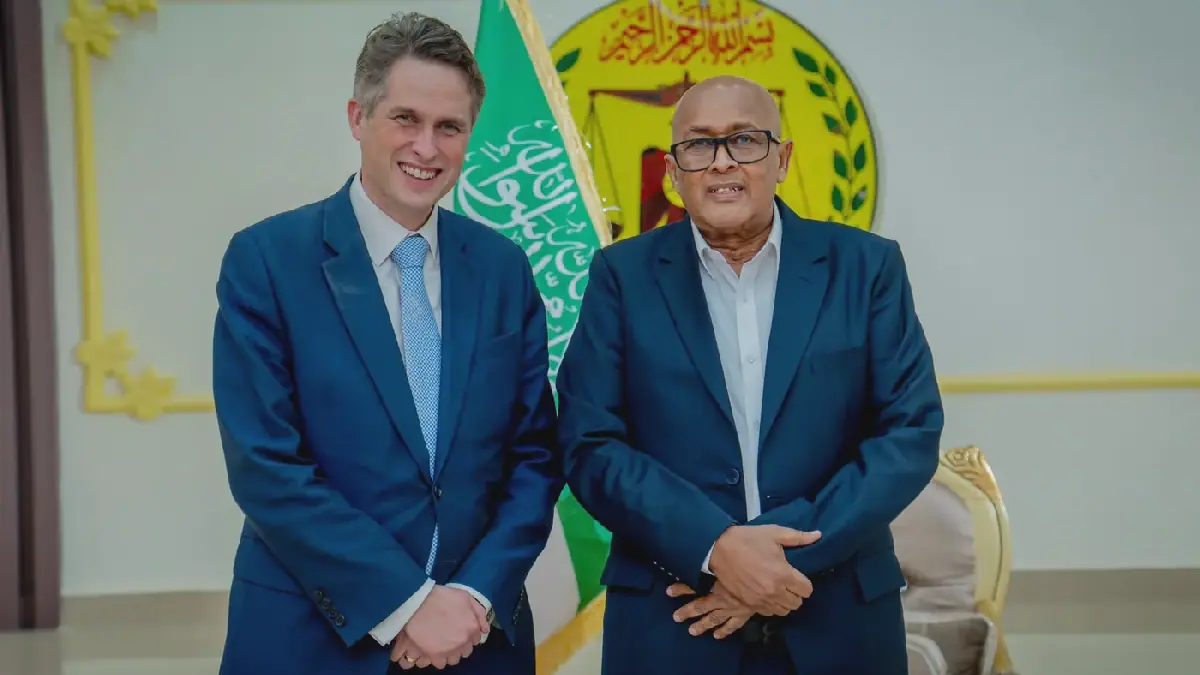
Three Labour MPs, Kim Johnson, Abtisam Mohamed, and Kerry McCarthy, have quit or suspended their participation in the UK's all-party parliamentary group (APPG) on Somaliland, citing concerns over the group's direction and its chair, Conservative MP Gavin Williamson's ties to the far-right Restore Britain party. Johnson, who had been a member of the group for over six years, resigned after an Israeli government official attended an event in the UK parliament marking Somaliland's self-declared independence anniversary.
The unexpected appearance of the Israeli official was the final straw for Johnson, who is a backbencher on Labour's left and an advocate for Palestinian rights. Mohamed, the Labour MP for Sheffield Central, also resigned her post, citing long-term differences over the direction the APPG is taking. McCarthy, Labour MP for Bristol East, has stopped participating in the group's activities until Williamson resigns as chair.
The APPG's leadership has been criticized for its ties to Israel and the UAE. Williamson, who served as an advisor to Restore Britain, signed a letter in June calling for the mass deportation of refugees brought to the UK via safe and legal routes. The letter, penned by Restore Britain leader Rupert Lowe, states that the signatories do not want these people in their country. McCarthy called Williamson's signing of the letter a betrayal of Somaliland's UK community.
The group's report, authored by Williamson, touted Somaliland's vast untapped reserves of oil, gas, and rare earths, and argued that recognition could help the UK develop a military base in the strategic port of Berbera. Israel's recognition of Somaliland has made the territory a more contentious geopolitical flashpoint. Since Israeli Foreign Minister Gideon Saar visited Somaliland's capital Hargeisa in January, Israel has begun training Somaliland's army.
Somaliland officials have floated the prospect of allowing Israel to build a military base on the territory, a move that would help Israel boost its influence in the Horn of Africa. Hargeisa has also developed strong ties with the UAE, which has built port infrastructure and military bases in the territory. The UAE was lauded in the APPG's report as having wasted no time in capitalizing on Berbera's potential in its strategy to counterbalance Iranian influence and deter further Houthi aggression.
Somalia's president, Hassan Sheikh Mohamud, accused the UAE of interference in his country's internal affairs amid mounting tensions between Abu Dhabi and Mogadishu. Williamson has become one of Somaliland's most dedicated international advocates since he was relegated to Westminster's backbenches in 2022. Despite his support for nativist politics in the UK, he has travelled extensively to Hargeisa and has been given honorary Somaliland citizenship.
The Somaliland mission and the Israeli embassy to the UK did not respond to requests for comment. The controversy surrounding the APPG highlights the complexities of Somaliland's bid for international recognition and the challenges of navigating its relationships with countries like Israel and the UAE.
Key points
- The resignations and suspensions follow Israel's recognition of Somaliland in December.
- The APPG's chair, Gavin Williamson, has ties to the far-right Restore Britain party.
- Somaliland's recognition by Israel has increased tensions in the Horn of Africa.