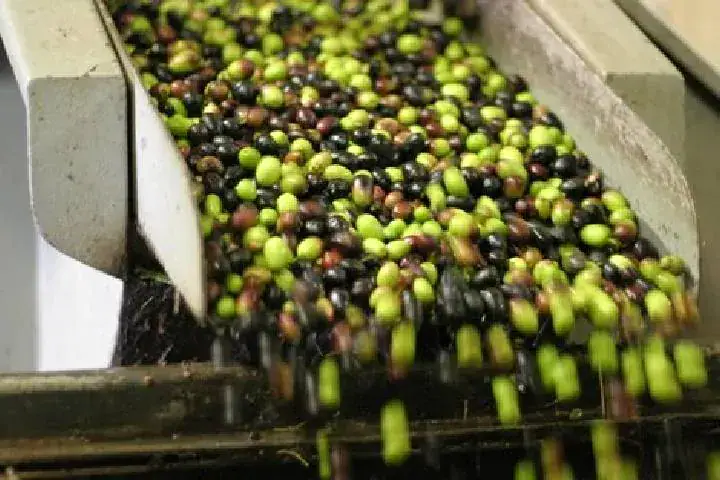
Morocco's olive oil sector has experienced a significant surge in production during the current agricultural season, presenting promising opportunities for farmers and industry stakeholders. However, this growth is accompanied by challenges related to managing the harvest and ensuring its economic viability. The sector is grappling with labor shortages and increasing costs for harvesting, transportation, and processing, affecting the profitability of small farmers and agricultural holdings.
The labor shortage is primarily attributed to the migration of rural populations to urban areas in search of better living conditions, as well as the emigration of many young people to European countries for work in agricultural holdings. This has resulted in increased difficulties for farmers in harvesting their olive crops, with some opting to abandon harvesting due to the high costs involved. According to Noor Eddine Hamanou, head of the Moroccan Association for Consumer Protection and Defense of Rights, these challenges necessitate government intervention to support farmers and reduce production costs.
The export market, particularly in Spain, presents both opportunities and challenges for Morocco's olive oil sector. Data from Spanish trade sources indicates that Morocco's olive oil exports to Spain have increased significantly, with 10,385 tons exported between January and April 2026, valued at approximately €32.76 million. This growth in exports highlights the rising external demand for Moroccan olive oil but also raises questions about the nature of these exports and the extent to which they contribute to the national economy.
The current situation underscores the need for a comprehensive approach to managing the olive oil supply chain, ensuring that the product is marketed under favorable conditions and that farmers' interests are protected from market fluctuations and rising costs. This involves strengthening cooperatives and developing units for processing, storage, and packaging, which would enhance the competitiveness of Moroccan olive oil in international markets.
Hamanou emphasizes that the challenges facing the olive oil sector, including labor shortages and increasing production costs, require a concerted effort from all stakeholders. He advocates for government support, including measures to alleviate production costs and encourage the development of cooperatives and processing units. Additionally, he stresses the importance of organizing marketing and export operations to ensure that Moroccan olive oil is sold at prices that balance the interests of producers and consumers.
The issue of olive oil prices is also a concern, as they must be balanced to ensure profitability for farmers while remaining affordable for consumers. Hamanou notes that the current market situation raises questions about the ability of farmers to achieve economic returns that would sustain their involvement in olive oil production, particularly in light of declining prices for olives and olive oil.
Ultimately, the olive oil sector in Morocco represents not just a agricultural product but a national wealth and economic and social heritage that requires protection and enhancement. Addressing the challenges facing this sector will require a clear vision and practical measures to support farmers, protect consumers, and strengthen the position of Moroccan olive oil in international markets.
Key points
- The Moroccan olive oil sector faces challenges due to labor shortages and rising costs, impacting production and exports.
- Government intervention is necessary to support farmers, reduce production costs, and enhance the competitiveness of Moroccan olive oil.
- A comprehensive approach to managing the olive oil supply chain is needed to ensure favorable marketing conditions and protect farmers' interests.