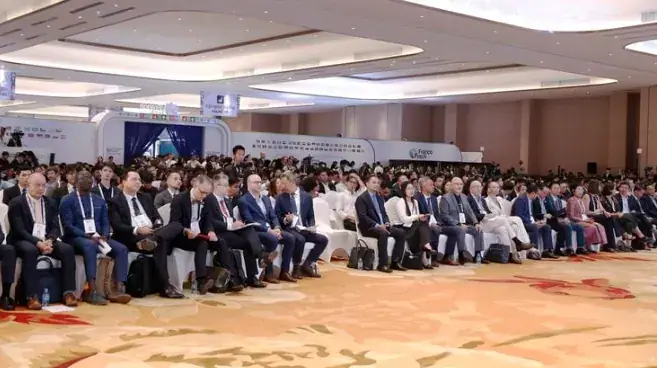
Industry experts, policymakers, and researchers from Africa, Asia, and Europe gathered to discuss developing artificial intelligence (AI) suited to Francophone countries' languages and institutions. The FrancoTech roundtable in Phnom Penh on November 14 brought together stakeholders to examine this issue. They emphasized the need for AI tools that understand local languages and respect cultural contexts. This push for culturally sensitive AI aims to ensure that technology serves the specific needs of local populations.
Cambodia highlighted the importance of developing AI that understands the Khmer language and respects its culture. Seng Sopheap, president of the Cambodian Academy of Digital Technology (CADT), stressed that AI tools used in Cambodia should be able to comprehend Khmer and respond to local needs. He noted that using AI is crucial for the country, but it must be tailored to its language, history, and culture. This approach would enable Cambodia to harness AI's potential while preserving its cultural identity.
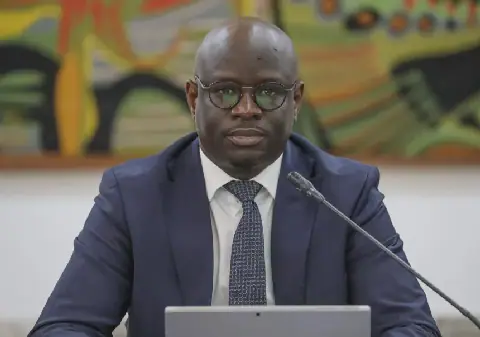
Seydina Moussa Ndiaye, director of the FORCE-N programme at Senegal's Cheikh Hamidou Kane Digital University, illustrated the challenges of developing AI that understands local languages. He provided a hypothetical example of an AI assistant answering a question in Wolof, a language widely spoken in Senegal, but providing incorrect instructions for accessing a public service. Ndiaye emphasized that AI systems should be evaluated based on the language they use, the sources they draw on, and the context in which people will use them.
Ndiaye proposed that universities and research teams collaborate to develop language resources, share computing infrastructure, and agree on ways to test their systems. He suggested that French could serve as a connector for research communities and companies, but cooperation must also support local languages like Khmer and Wolof. This collaborative approach aims to create AI systems that are both effective and culturally sensitive.
The FrancoTech roundtable in Phnom Penh brought together over 200 exhibitors and featured discussions on developing AI that understands local languages. The event highlighted the importance of creating technology that serves the specific needs of local populations. By working together, stakeholders can develop AI systems that are tailored to the languages and cultures of Francophone countries.
La Francophonie's push for AI that understands local languages is part of a broader effort to promote cultural diversity and protect cultural heritage. The organization has approved a consensus ahead of its summit, which includes adopting measures to safeguard cultural heritage and promote diversity. This initiative reflects La Francophonie's commitment to preserving the cultural identities of its member states.
The development of AI that understands local languages has significant implications for the future of technology in Francophone countries. By creating culturally sensitive AI systems, stakeholders can ensure that technology serves the needs of local populations and promotes cultural diversity. This approach has the potential to unlock new opportunities for economic growth, education, and social development in Francophone countries.
Key points
- La Francophonie emphasizes the need for AI tools that understand local languages and respect cultural contexts.