KwaZulu-Natal's tourism sector is a vital component of the province's economy, and its success depends on various factors. With the summer tourism season approaching, visitors will soon flock to the province's scenic beaches and explore its rich cultural heritage. The sector's growth is closely tied to the quality of municipal services, including clean beaches, public spaces, and reliable infrastructure. As the province prepares for the summer rush, concerns about the state of its infrastructure and services have come to the forefront.
The importance of municipal services in supporting tourism cannot be overstated. Cape Town's experience in building a strong visitor economy provides valuable lessons for KwaZulu-Natal. According to Cape Town Tourism's 2025 Economic Value of Tourism report, visitors spent R24.5 billion in the city in 2025, with international visitors accounting for R19 billion. The report also highlights the challenges faced by the sector, including a decline in domestic visitor spending. To address these challenges, Cape Town Tourism has launched a campaign targeting domestic travelers, promoting experiences suited to different budgets.
Experts believe that KwaZulu-Natal has the potential to attract more domestic visitors from other provinces. Professor Elmarie Slabbert, director of Tourism Research in Economics, Environs and Societies at North-West University, suggests that the province can leverage its diverse experiences, including history, nature, safaris, food, and marine tourism. To achieve this, Slabbert recommends targeted marketing, appealing travel packages, and careful pricing. A year-round calendar showcasing the province's experiences could encourage longer stays and attract travelers beyond the familiar beach destinations.
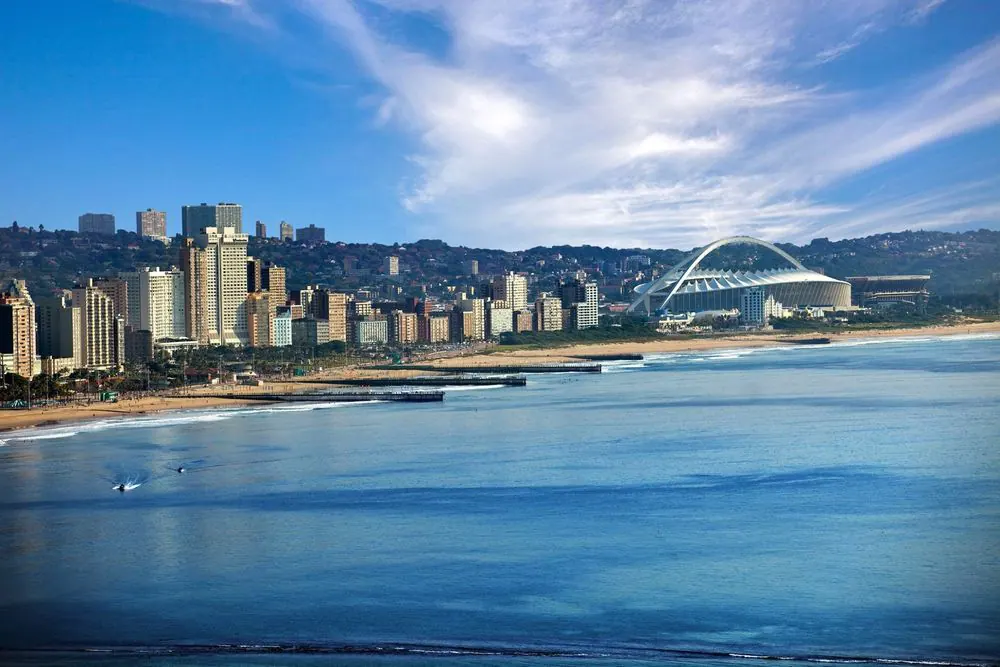
Durban, KwaZulu-Natal's largest city, has a visitor marketing strategy aimed at attracting travelers during peak and quieter periods. The city's mayor, Cyril Xaba, reported preliminary figures of nearly 1.2 million visitors for the 2025/26 festive season, up from 998,000 the year before. However, concerns about safety and water quality at the city's beaches need to be addressed. Ageing sanitation infrastructure and sewage spills pose a threat to the appeal of Durban's coastline, which has long been a major selling point.
The state of Durban's infrastructure is a pressing concern, with the national Green Drop assessment scoring eThekwini's wastewater systems at 31% for 2023/24. Refurbishing the wastewater treatment works is estimated to cost R4.6 billion. The upcoming municipal elections have brought these issues into focus, with parties pledging to prioritize tourism and infrastructure development. The Inkatha Freedom Party has committed to promoting local tourism and heritage, while the Democratic Alliance has vowed to prioritize Durban's water network and wastewater systems.
KwaZulu-Natal has 12 fully accredited Blue Flag beaches for the 2025/26 season, and its tourism offerings extend far beyond these. To realize its potential, the province needs to prioritize clean, reliable services alongside clever marketing. The sector's growth depends on the ability of municipalities to deliver on their promises and show residents and tourism businesses that conditions are improving.
As the province prepares for the summer tourism season, stakeholders are calling on municipal councils to take concrete actions to support the sector. With the right strategies and investments, KwaZulu-Natal can unlock its tourism potential and create a thriving industry that benefits both locals and visitors. The question remains whether the right people are listening and will take the necessary steps to ensure the sector's success.
Key points
- KwaZulu-Natal's tourism sector relies heavily on clean beaches, reliable municipal services, and effective delivery.
- The province can leverage its diverse experiences, including history, nature, safaris, food, and marine tourism, to attract more domestic visitors.
- Durban's infrastructure, including its wastewater treatment works, needs urgent attention to support the growth of its tourism sector.