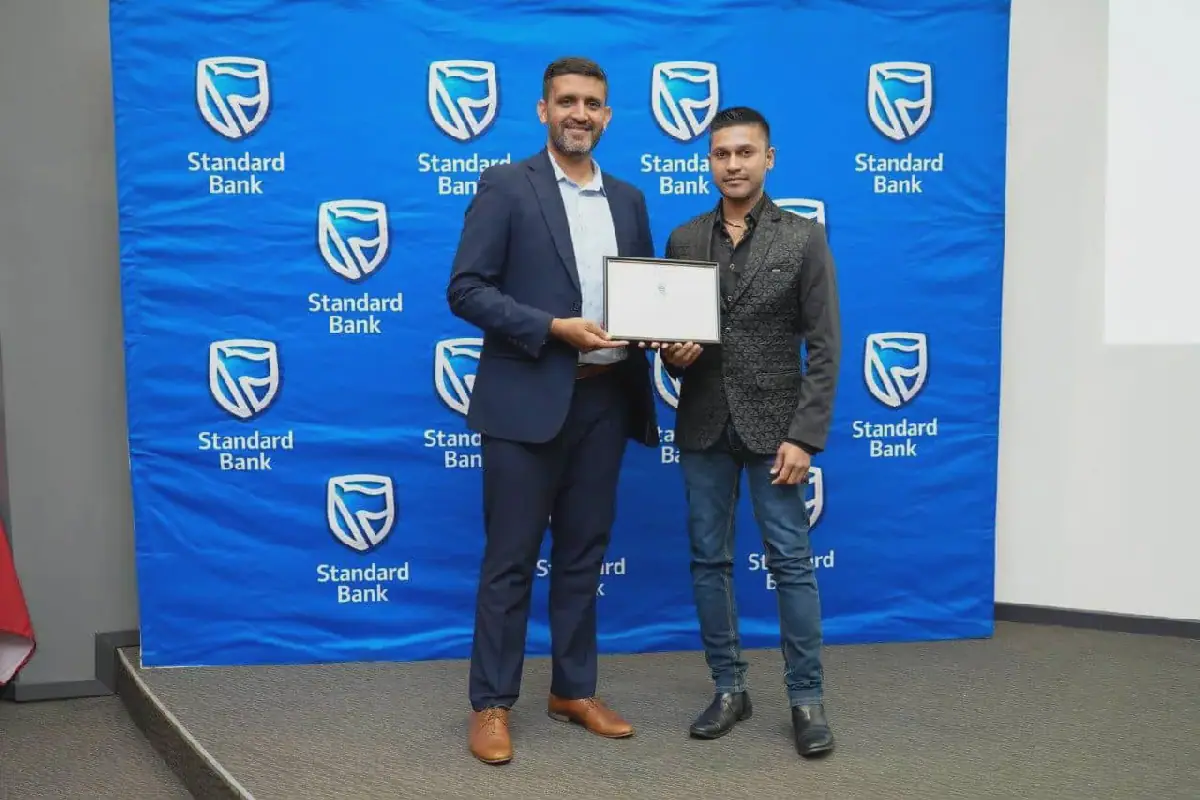
A business development programme run by Regent Business School and Standard Bank's Enterprise and Supplier Development team has graduated 44 entrepreneurs from KwaZulu-Natal. The programme, which ran over three months, drew 56 small, medium and micro enterprises from across the province, including areas such as Newcastle, Richards Bay, and Pietermaritzburg. The programme used an applied learning model with 10 contact sessions, where participants worked through simulations, group activities, and practical business challenges.
The programme focused on practical business skills, financial management, and growth strategies. Participants learned how to apply business concepts to their own enterprises and developed a business concept from scratch in a single day using AI and Design Thinking. They also covered financial management, including cash flow and financial drivers of a business. The programme required participants to put their learning into practice, developing and submitting a growth plan and completing short online learning programmes.
The programme had a high graduation rate, with 44 of the 56 participants graduating by meeting the requirements. The top 10 graduates received grant funding to support their business growth plans. Nokhanyo Ntshingila, senior manager for the ESD programme at Standard Bank, said that SMMEs are critical drivers of economic growth, job creation, and innovation in South Africa.
The partnership between Standard Bank and Regent Business School reflects a shared commitment to developing SMMEs through alternative learning methods. The programme combined business education, practical applications, financial capability, technology, and growth planning. Hoosen Essof, chief innovation officer at Regent Business School, highlighted the use of emerging technologies as practical tools for entrepreneurship.
The programme's focus on applied business education connects learning to real business challenges and gives entrepreneurs room to experiment and solve problems. The graduates can now apply their newly acquired knowledge, tools, networks, and growth strategies to build stronger businesses with longevity. The programme's success reflects the potential for SMMEs to drive economic growth and job creation in KwaZulu-Natal.
The graduates come from a range of areas across KwaZulu-Natal, reflecting the widespread appeal of the programme and the role of SMMEs in local economic development. The programme's use of AI and Design Thinking demonstrates the potential for emerging technologies to support entrepreneurship and business growth.
The programme's impact will be felt in the communities where the graduates operate, as they apply their learnings to create lasting impact and contribute to the broader economy. Standard Bank and Regent Business School's partnership demonstrates a commitment to supporting SMMEs and promoting economic growth in South Africa.
Key points
- 44 entrepreneurs from KwaZulu-Natal graduated from a 3-month business development programme run by Regent Business School and Standard Bank.
- The programme used an applied learning model with 10 contact sessions over three months.
- The top 10 graduates received grant funding to support their business growth plans.