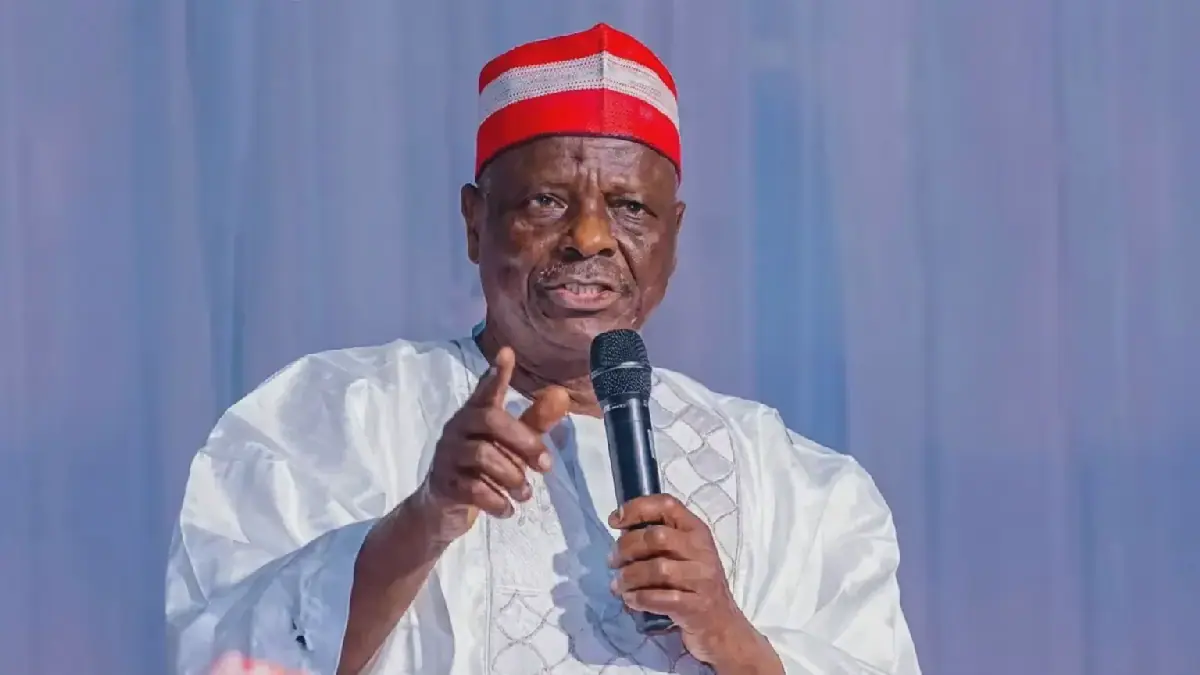
Former Kano Governor, Senator Rabiu Musa Kwankwaso, has accused the current Governor of Kano, Abba Kabir Yusuf, of attempting to use anti-corruption agencies to settle political scores and tarnish his image. In a statement, Kwankwaso expressed concern over the deterioration of his relationship with the Governor, alleging that Yusuf is trying to drag him and his family into controversies using government agencies. Kwankwaso noted that Yusuf had previously worked under him as a special assistant, principal private secretary, and commissioner.
Kwankwaso claimed that he and Yusuf had a close relationship spanning 43 years, but alleged that Yusuf had misused the trust he had placed in him. He stated that he was the candidate whose political movement backed Yusuf's election in 2019 and 2023, with Yusuf emerging victorious in the 2023 election. Kwankwaso accused Yusuf of requesting the Economic and Financial Crimes Commission (EFCC) to investigate him, but the commission declined due to lack of evidence.
Kwankwaso further alleged that a group called the Society for Anti-Corruption and Good Governance Initiative (SACGGI) was used to organize protests at the EFCC office to pressure the commission. However, he claimed that the group was not registered with the Corporate Affairs Commission (CAC) and had no legitimate connection with the EFCC or the Independent Corrupt Practices Commission (ICPC). Kwankwaso also accused some Kano state government officials of using the media to spread selective information to tarnish his image.
The former Governor linked the allegations to the 2027 election politics, claiming that Yusuf is trying to weaken his influence and that of his political movement ahead of the elections. Kwankwaso also alleged that the issue was connected to the Kano governorship candidate of their party, Aminu Abdussalam Gwarzo, who is challenging his eligibility to contest in court and before the Independent National Electoral Commission (INEC).
Kwankwaso accused Governor Yusuf of attempting to influence the electoral body and the judiciary to prevent Gwarzo's name from being published as a governorship candidate and to bar him from participating in the 2027 election. However, Kwankwaso did not provide evidence to support these allegations. He commended the EFCC for its professionalism and adherence to the law in handling his previous invitations for questioning.
Kwankwaso highlighted his achievements in public service, including serving as Governor of Kano for two terms, Deputy Speaker of the House of Representatives, Minister of Defence, Special Adviser to the President on Darfur, and Senator in the 8th National Assembly. He expressed pride in his record, stating that he had no reason to be ashamed of his accomplishments. Kwankwaso advised young people and public officials to be cautious, reminding them that power was not permanent.
Kwankwaso urged politicians to respect the independence of anti-corruption agencies. He emphasized the importance of allowing these agencies to function freely without interference or manipulation for personal or political gain. The allegations and counter-allegations between Kwankwaso and Yusuf have raised concerns about the politicking of anti-corruption agencies and the potential impact on the 2027 elections in Kano State.
Key points
- Kwankwaso accuses Kano Governor of using EFCC to settle political scores ahead of 2027 elections.
- Former Kano Governor expresses pride in his achievements in public service.
- Kwankwaso advises politicians to respect the independence of anti-corruption agencies.