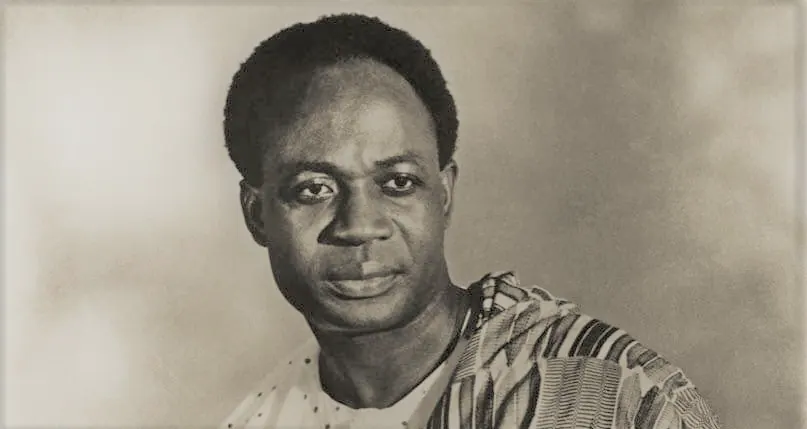
Ghana today marks the 117th birthday of Osagyefo Dr Kwame Nkrumah, a figure whose impact on the country's history and identity remains profound. Nkrumah was born on September 21, 1909, at Nkroful in the then Gold Coast. His life and legacy continue to inspire reflection on the country's journey to independence and the responsibilities that come with nationhood. As the nation commemorates his birthday, various events are being held across the country to honor his contributions.
Nkrumah's political journey took him far beyond his humble beginnings in Nkroful. His education and years abroad exposed him to ideas about colonialism, self-determination, Pan-Africanism, and the political future of Africa. After returning to the Gold Coast in 1947, he became increasingly involved in the campaign for self-government. In 1949, he formed the Convention People's Party (CPP), which mobilized large sections of the population around the demand for independence.
The struggle for independence was not the achievement of one individual alone but involved collective efforts from various groups, including political leaders, workers, traditional authorities, intellectuals, women, young people, and ordinary citizens. Nkrumah's distinctive contribution lay in his ability to mobilize the masses and give urgency to the demand for self-government. The campaign for "Self-Government Now" resonated with a population increasingly determined to shape its own political future.
Nkrumah's vision for Ghana's independence extended beyond the country's borders. He linked Ghana's freedom to the liberation of other African countries and argued that the destiny of Ghana could not be separated from the wider struggle for African unity and independence. Ghana consequently became an important center for African liberation movements and Pan-African activity. The country was admitted to the United Nations on March 8, 1957, two days after independence.
A meaningful commemoration of Nkrumah must acknowledge the complexities of his presidency. His contribution to independence, his Pan-African vision, and his development agenda continue to attract recognition, while his administration also remains subject to criticism and historical debate. Critics have raised concerns about the concentration of political power, restrictions on political opposition, and the direction of the economy. Nkrumah was overthrown in a military coup on February 24, 1966, and spent his final years in exile before dying in Bucharest, Romania, on April 27, 1972.
Nkrumah's continuing relevance may lie in the fact that the questions he confronted have not disappeared. For generations born after independence, he may be encountered first through textbooks, monuments, and public commemorations. Yet the national challenges associated with his era remain recognizable. The questions that remain include how Ghana can create sustainable jobs for its young population, produce more of what it consumes, and translate education into opportunity.
The evolution of Ghana's commemorative calendar reflects the continuing effort to place Nkrumah's contribution within the broader history of the independence movement. September 21, once associated with Founder's Day and his birthday, is now observed as Kwame Nkrumah Memorial Day, while August 4 is recognized as Founders' Day. The distinction provides an opportunity to acknowledge the wider collective struggle for independence while maintaining a dedicated national occasion to remember Nkrumah.
Key points
- Nkrumah's legacy continues to inspire reflection on Ghana's journey to independence and the responsibilities that come with nationhood.
- The questions Nkrumah confronted have not disappeared, and his continuing relevance lies in the fact that his ideas and vision remain relevant to Ghana's development.
- A meaningful commemoration of Nkrumah must acknowledge the complexities of his presidency and the challenges that Ghana still faces today.