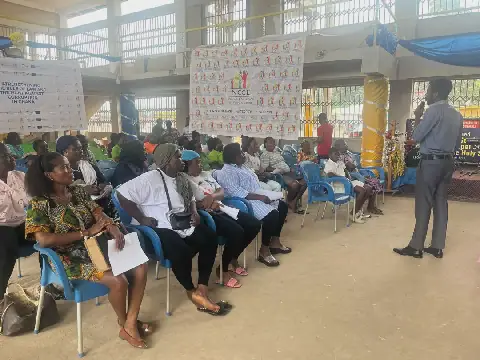
Residents of Lungalunga Sub-County in Kwale County, Kenya, are demanding to be consulted on agreements concerning the Mrima Hills mineral deposits. They claim to have been excluded from discussions about investors and project impacts. Justus Mweo Mwachupa, a resident, stated that the community has not received clear information on how mining will be carried out, its environmental effects, or the procedures that will be followed.
The community is worried about possible relocation if the project requires moving people from the mineral-rich area. Human-rights activist Mariam Omar of the Human Development Advocacy (HUDA) said her organization is working with residents to explain their potential role in the critical minerals deal and to ensure they receive relevant project information.
Representatives of Haki Madini Kenya highlighted land-ownership issues as a major concern, noting that many parcels are inherited and succession processes remain incomplete. This has raised concerns about the potential impacts of the mining project on local communities and the need for clear guidelines on land ownership.
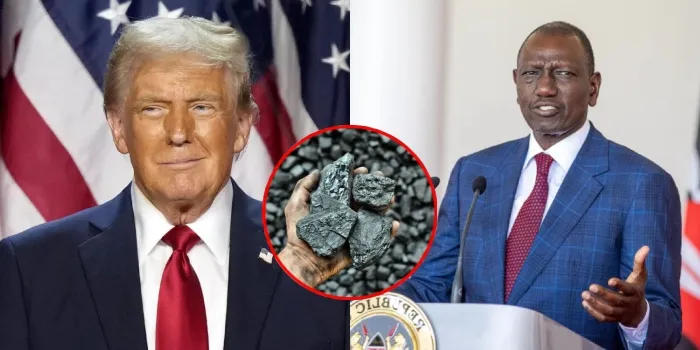
Kenya is pushing to attract investors for its critical minerals sector, with at least six firms from the United States, Australia, and China reportedly interested in the Mrima Hill deposit. Mining Cabinet Secretary Hassan Joho said Kenya and the United States are in advanced talks on a critical minerals partnership that could lead to refineries and processing plants in Kenya.
The US-linked discussions involve several US government departments and are tied to the ongoing bidding process for Mrima Hill, which the government expects to conclude in late October before selecting a preferred bidder. An Australian-led consortium that includes RareX and Iluka Resources has moved to the Request for Proposals stage, with a detailed proposal slated for October 2026.
Geological studies have identified niobium as a key resource at Mrima Hill, with additional deposits of cobalt, copper, and nickel also reported across Kenya. The government aims to finalize the partnership talks and start extracting these critical minerals, which are essential for various industries, including technology and renewable energy.
The community's concerns and demands for inclusion in the negotiations highlight the need for a more inclusive and transparent approach to managing Kenya's natural resources. The outcome of the Mrima Hills critical minerals deal will have significant implications for Kenya's economy and the local communities affected by the project.
Key points
- Kenya and the US are in advanced talks on a critical minerals partnership.
- Residents of Kwale County demand inclusion in negotiations over the Mrima Hills mineral project.
- The Mrima Hill deposit contains significant deposits of niobium, cobalt, copper, and nickel.