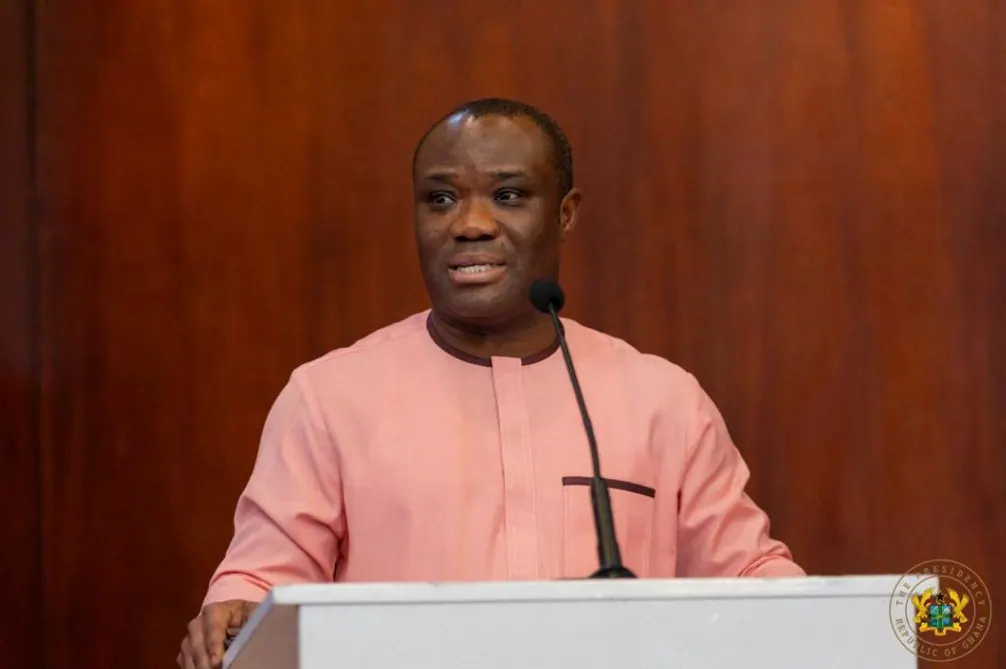
Ghana's Minister of State in charge of Government Communications, Felix Kwakye Ofosu, has stated that while Ghanaians have the right to criticize their leaders, threatening to harm the president and his family is not considered free speech. Speaking at the launch of the 30th Ghana Journalists Association (GJA) Media Awards, Kwakye Ofosu emphasized that disliking a president is acceptable, but threatening to poison the head of state, his wife, and his children is not tolerable.
Kwakye Ofosu's comments come amid a national conversation about the limits of expression in Ghana. He argued that Ghanaians have every right to criticize political leaders, but insisted that such freedoms stop at the point where speech turns into threats of physical harm against officials or their families. The minister noted that people can express unpleasant views without being considered criminal.
The issue has become a flashpoint for debates over how far criticism of public figures can go before the law intervenes, particularly in the case of Salomey Bafoh. A rights group has warned that the prosecution of Bafoh could have a chilling effect on free speech. Kwakye Ofosu's remarks also follow the GJA's concerns over the treatment of journalists, including a 14-day ultimatum given to the military to explain a soldier's assault on a blogger.
At the same event, Kwakye Ofosu condemned the mistreatment of journalists, saying media practitioners should be able to do their jobs without their safety being put at risk. He also expressed concerns about social media being used to inflame tensions in communities already dealing with conflict. According to him, content circulated online can deepen divisions and make peaceful coexistence harder.
The minister's remarks have significant implications for ordinary Ghanaians navigating what is and is not permissible to say about leaders online and offline. The distinction between harsh criticism, protected journalism, and genuine threats of violence is crucial, particularly in cases like Bafoh's and the GJA's standoff with the military.
For citizens active on social media, where political commentary can turn heated, the distinction the minister drew carries practical weight. Criticism of a president, however unflattering, is one thing, but statements threatening violence against a leader or his family are treated as crimes rather than opinions.
While no new policy, legislation, or specific case has been tied directly to Kwakye Ofosu's remarks, the Bafoh case and the GJA's dispute with the military remain live threads that will shape how this distinction is tested in the courts and in public debate going forward.
Key points
- Threatening to harm the president and his family is not protected under free speech in Ghana.
- The Ghanaian government is working to distinguish between legitimate criticism and criminal threats.
- The issue has sparked a national conversation about the limits of expression in Ghana.