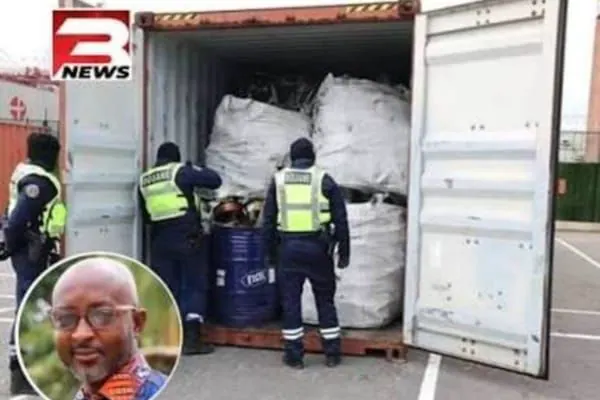
Energy analyst and NPP member Kwadwo Poku has urged the Narcotics Control Commission (NACOC) to intensify intelligence-led operations to uncover drug consignments and warehouses within Ghana. Speaking on TV3's The KeyPoints, he emphasized the need for NACOC to move beyond responding to known shipments and take a more proactive approach to identifying where illicit drugs are being stored and distributed in the country. This call to action comes amid concerns about the presence of large quantities of cocaine in Ghana.
Mr. Poku stressed that the public should be given clearer evidence of actual drug seizures rather than cases where initial claims about seized items are later disputed. He cited previous cases in which authorities reportedly announced the seizure of money and drugs but later indicated that the items were fake. This, he believes, undermines public confidence in narcotics enforcement and highlights the need for a more proactive and transparent approach.
According to Mr. Poku, a more proactive intelligence-based approach would help establish the extent of illicit drug activity within Ghana and strengthen public confidence in narcotics enforcement. He raised concerns about the possible huge quantities of cocaine in Ghana at the moment following a series of seizures of large quantities of the drug on the country’s roads. This has sparked fears about the scope of the problem and the need for effective solutions.
Mr. Poku further emphasized that the focus should not only be on arrests and seizures made outside of Ghana after passing through the country’s ports but also on determining the source and channels through which cocaine enters the country. He questioned how much cocaine is actually in the country, given the large quantities being seized on Ghanaian roads. This highlights the need for a more comprehensive approach to addressing the issue.
The energy analyst cited previous cocaine seizures in Ghana, including a case involving cocaine concealed under sand in a truck at Pedu and another seizure on the Cape Coast-Takoradi road. These incidents demonstrate the need for effective measures to prevent the transportation and storage of illicit drugs within the country. By taking a more proactive approach, NACOC can help to disrupt the supply chain and prevent further consignments from entering the country.
Mr. Poku's comments come as part of a broader effort to address the issue of illicit drugs in Ghana. As an NPP member and energy analyst, he brings a unique perspective to the conversation, highlighting the need for a comprehensive and multi-faceted approach to addressing the problem. His call to action is likely to resonate with stakeholders and policymakers, who will be looking for effective solutions to the issue.
The issue of illicit drugs in Ghana is a complex one, with far-reaching consequences for individuals, communities, and the country as a whole. By taking a proactive and intelligence-led approach, NACOC can help to mitigate these consequences and prevent further harm. As Mr. Poku noted, this will require a sustained effort and a commitment to transparency and accountability.
Key points
- Kwadwo Poku calls on NACOC to take a more proactive approach in arresting cocaine consignments and uncovering warehouses within Ghana.
- A more proactive intelligence-based approach would help establish the extent of illicit drug activity within Ghana and strengthen public confidence in narcotics enforcement.
- The focus should not only be on arrests and seizures made outside of Ghana but also on determining the source and channels through which cocaine enters the country.