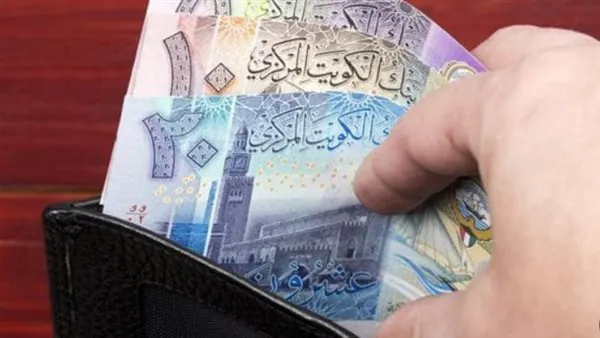
The Kuwaiti dinar saw a decline of approximately 7 piasters against the Egyptian pound in Egyptian banks on Sunday, October 4, 2026. According to data published on the Central Bank of Egypt's website and other Egyptian banks, the decline reflects ongoing market dynamics. This change impacts various sectors, including trade and finance, where currency fluctuations can influence costs and profitability.
In the Central Bank of Egypt, the Kuwaiti dinar is priced at 169.50 EGP for buying and 170.01 EGP for selling. In Bank Misr, the buying price is 165.84 EGP, while the selling price is 170.12 EGP. These prices indicate variations in exchange rates across different banks, reflecting their individual policies and market conditions.
The National Bank of Egypt lists the Kuwaiti dinar at 164.74 EGP for buying and 169.99 EGP for selling. These rates suggest that while the dinar's value is high, there are differences in how various banks price the currency. Such variations can affect individuals and businesses involved in international transactions.
The strength of the Kuwaiti dinar is attributed to Kuwait's robust economy, which is largely driven by oil exports. The Kuwaiti Central Bank's prudent financial policies and its use of a currency basket for exchange rate management, rather than pegging to a single currency, contribute to the dinar's stability. Additionally, Kuwait's low inflation rate and stable banking system support the dinar's value.
Despite economic challenges and fluctuations in the Egyptian market, the Kuwaiti dinar maintains its position as one of the strongest foreign currencies against the Egyptian pound. This stability is supported by Kuwait's economic resilience and sound monetary policies. The ongoing situation in the Egyptian banking sector, with efforts to control inflation and boost foreign currency reserves, remains relevant to the dinar's performance.
The exchange rate between the dinar and the pound is subject to supply and demand dynamics, as well as regional and global economic changes. Monitoring these fluctuations is crucial for citizens and investors, as it directly affects import costs, remittances, and purchasing power in Egypt. Understanding these trends can help stakeholders make informed financial decisions.
As economic conditions evolve, the performance of the Kuwaiti dinar against the Egyptian pound will continue to be influenced by both domestic and international factors. The Central Bank of Egypt and other financial institutions will likely continue to play a significant role in managing these dynamics to ensure stability in the foreign exchange market.
Key points
- The Kuwaiti dinar declined by around 7 piasters against the Egyptian pound in Egyptian banks on October 4, 2026.
- The strength of the Kuwaiti dinar is supported by Kuwait's strong economy, prudent financial policies, and stable banking system.
- The exchange rate between the dinar and the pound is subject to fluctuations based on supply and demand, regional and global economic changes.