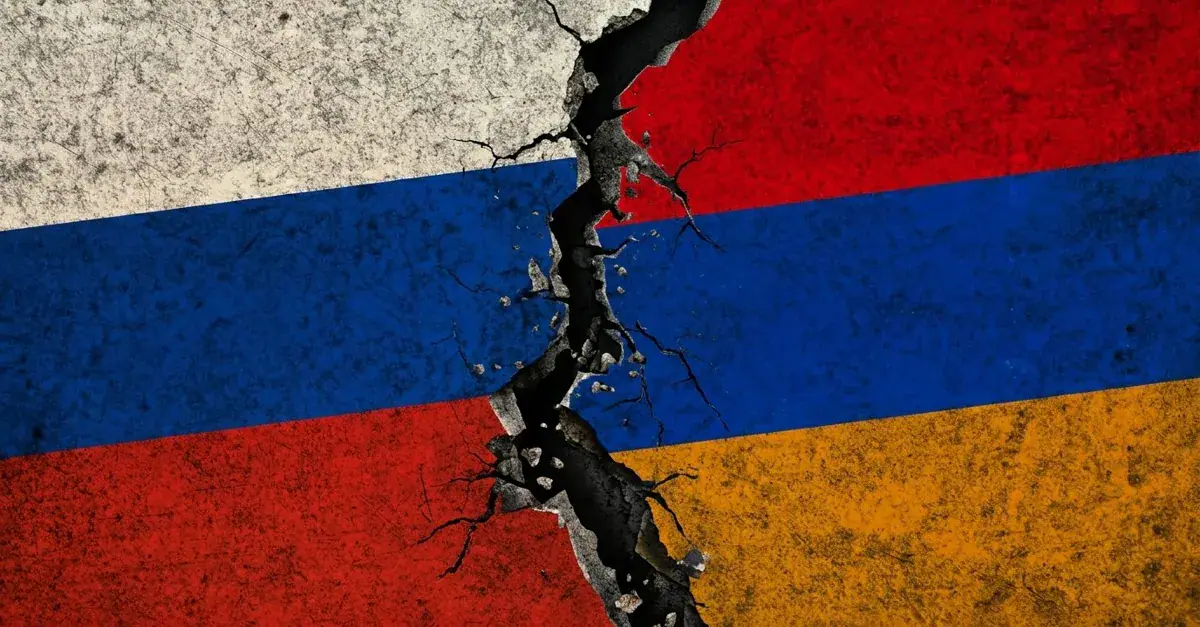
The Kremlin has urged Armenia to decide on its path forward, either towards joining the European Union or continuing its membership in the Eurasian Economic Union led by Russia. This call comes ahead of a meeting between Russian President Vladimir Putin and Armenian Prime Minister Nikol Pashinyan in Moscow on December 3. According to Kremlin spokesperson Dmitry Peskov, Armenia's desire to pursue both paths does not align with each other.
Peskov emphasized that attempting to balance both economic paths requires a clear stance, stating that trying to "sit on two chairs at once" economically necessitates a definitive decision. This issue is set to be a primary topic of discussion between Putin and Pashinyan, along with the status of the Russian military base in Armenia. The base is considered a crucial element in ensuring regional security and stability.
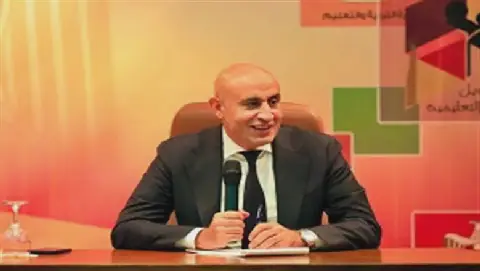
Prime Minister Pashinyan has reaffirmed Armenia's commitment to its path of rapprochement with the European Union, indicating that Yerevan will proceed with its plans to join the EU. Earlier this month, Armenia announced its intention to submit a formal application for EU membership by 2028. Pashinyan's statements suggest that Armenia will not reverse its course towards integrating with the European Union.
Armenia also plans to gradually end the Russian role in securing its borders with Turkey and Iran. Pashinyan announced that Armenian forces will progressively replace the Russian border guards, aiming to assume full responsibility for protecting the country's borders in the coming years. He acknowledged the role played by Russian border guards but stressed that the time has come for Armenia to take full responsibility.
The Russian border guards have been operating in Armenia based on a 1992 bilateral agreement, assisting in securing the Armenian borders with Turkey and Iran. Over the past few years, there has been a gradual reduction in Russian presence, with Armenian forces taking over certain border sectors. Currently, Russian and Armenian forces conduct joint patrols in other areas along the borders with Turkey and Iran.
These developments reflect a deterioration in relations between Moscow and Yerevan, following Armenia's accusations that Russia failed to protect it from Azerbaijan. This has led Armenia to reconsider its reliance on Moscow for security matters, aligning with its efforts to strengthen ties with the West. The situation indicates a shift in Armenia's strategic partnerships and security arrangements.
The strained relations between Russia and Armenia have significant implications for regional dynamics. As Armenia seeks closer ties with the EU and reassesses its security cooperation, Russia's influence in the region may be affected. The upcoming meeting between Putin and Pashinyan will be crucial in determining the future trajectory of Russia-Armenia relations and Armenia's integration plans with European and Eurasian economic blocs.
Key points
- Armenia plans to submit a formal application for EU membership by 2028.
- Russia's presence on Armenia's borders with Turkey and Iran is set to decrease as Armenian forces take over security responsibilities.
- The relationship between Russia and Armenia has deteriorated due to Armenia's accusations of Russia's failure to protect it from Azerbaijan.
Reporting sources
- الكرملين يطالب أرمينيا بحسم موقفها بين موسكو والاتحاد الأوروبي · Al-Qahera News