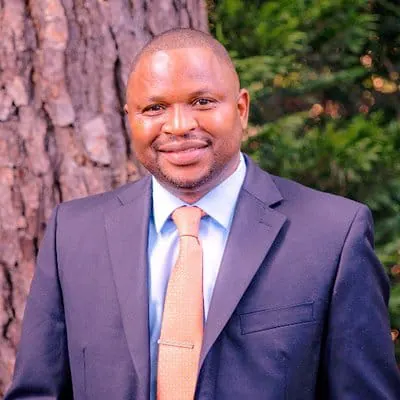
A call has been made to Nigerian editors to prioritise rigorous verification and credibility in the face of growing Artificial Intelligence (AI) generated content and social media information. This appeal was made by Prof. Farooq Kperogi, a journalism scholar and Professor of Journalism and Emerging Media at Kennesaw State University, Georgia, USA. He delivered a keynote address at the All Nigeria Editors Conference (ANEC) 2026 in Enugu, organised by the Nigerian Guild of Editors (NGE).
Kperogi described AI-generated disinformation as an unprecedented challenge to newsrooms, fundamentally changing the scale, speed, and sophistication of information disorder globally. This has made falsehoods increasingly difficult to detect. He emphasised that colourful journalism doesn’t last, but authentic and credible journalism does. Kperogi cited instances where AI was used to create fake front pages of established newspapers to circulate false political narratives involving prominent figures.
The Professor highlighted that AI-generated misinformation is particularly difficult for fact-checkers because it can closely mimic familiar media sources. This makes falsehoods appear credible to unsuspecting audiences. He noted that academic and analytical models may provide theoretical frameworks but might not offer standalone solutions to practical daily newsroom challenges. Furthermore, unverified content on social media is eroding public trust in traditional journalism.
To protect the integrity of news organisations, especially during elections, Kperogi called for stronger verification systems and newsroom interventions. He urged media organisations to secure and regularly audit their visual identifiers, including mastheads, logos, and digital archives. This would prevent unauthorised AI replication and ensure the authenticity of their content.
Kperogi also cautioned editors against prioritising breaking news over verification. He warned that a single unverified report published in haste could cause lasting damage to a news organisation's credibility. Therefore, meticulous election coverage and strict authentication programming are essential to maintain journalism's role as the bedrock of democracy.
The keynote address was part of Kperogi's paper titled “When Lies Look Real: Detecting and Debunking AI Disinformation, During and After Election.” In it, he provided insights into the challenges posed by AI-generated disinformation and offered practical solutions for newsrooms. His address aimed to equip editors with the knowledge needed to navigate these challenges effectively.
In conclusion, Kperogi's call to action emphasises the need for Nigerian editors to adopt a more rigorous approach to verification and credibility. By doing so, they can protect the profession from unverified digital content and maintain the trust of their audiences. This is particularly crucial in the context of elections, where the integrity of information can have significant impacts on the democratic process.
Key points
- Prof. Farooq Kperogi urges Nigerian editors to prioritise verification and credibility amid AI-generated disinformation.
- AI-generated disinformation poses an unprecedented challenge to newsrooms, making falsehoods increasingly difficult to detect.
- Kperogi calls for stronger verification systems and newsroom interventions to protect the integrity of news organisations.