In the heart of Kenya's capital city, Nairobi, lies a unique neighborhood known as Kosovo or Makanisani, situated along the Waiyaki Way highway. This small area, spanning 1.75 acres, is home to over 50 churches, 135 houses, and numerous small businesses. The neighborhood has become a densely populated urban center, with many residents having lived there for decades.
The neighborhood's history dates back to the 1980s when Joshua Adom, a long-time resident, arrived in the area. At that time, there were only a few churches, and the land was largely covered with trees and vegetation. Over the years, the area has transformed, with many churches being built, some even sharing walls with neighboring structures.
The rapid growth of churches in Kosovo has led to concerns about noise pollution, particularly on Sundays during worship services. Some residents have complained about the loud noise, while church leaders have attempted to address the issue. Geoffrey Lugaka, a pastor at the Restoration and Revival Church, stated that churches have agreed to be considerate of their neighbors and reduce noise levels.
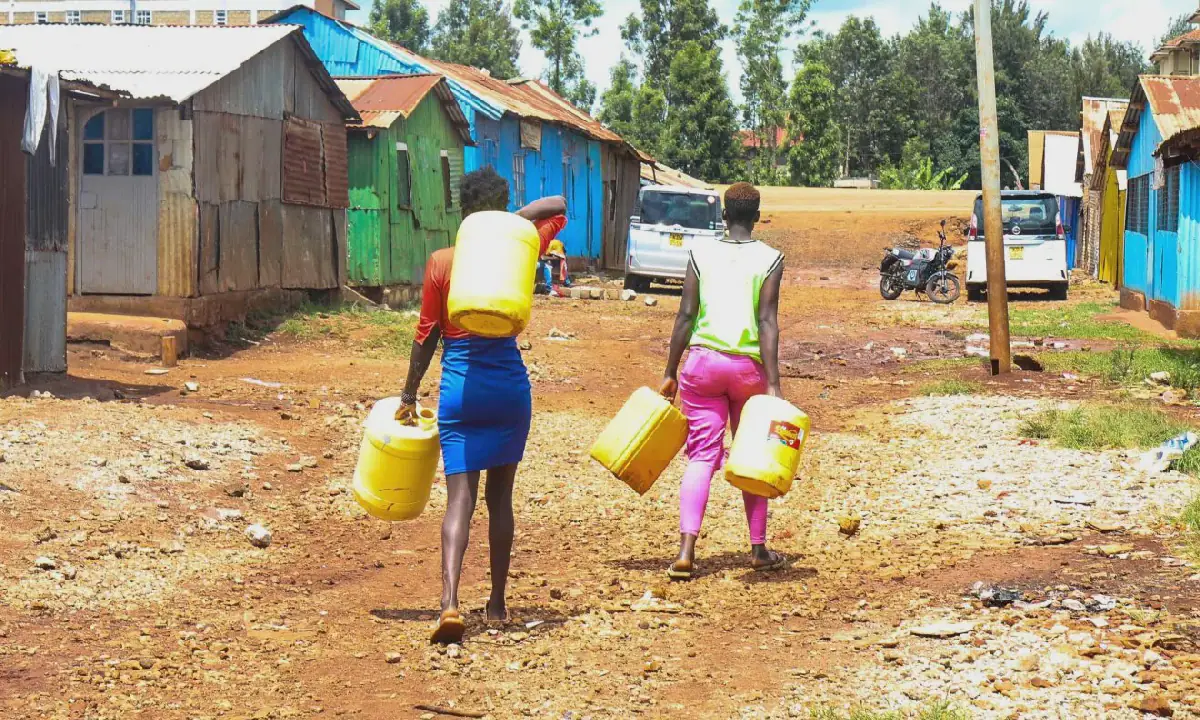
Despite the challenges, residents acknowledge that the area has become safer, thanks to improved lighting installed by the Nairobi and Kiambu county governments. However, the community still faces issues such as inadequate toilet facilities, water scarcity, and sanitation problems. Some residents pay for shared toilet services, while others carry water for personal use.
The neighborhood is now facing a new challenge: the expansion of the Waiyaki Way highway. Some church buildings and homes have been marked for demolition to make way for the project, with affected residents given a deadline to vacate or downsize. Church leaders and residents are awaiting the outcome, with some calling for alternative housing to be provided.
The Kosovo neighborhood has a complex history, with some residents having been relocated from a nearby market during the tenure of Kenya's second president, Daniel Arap Moi. The area has since become a vibrant, if densely populated, community. As residents and church leaders navigate the challenges posed by the highway expansion, they hope for a more secure and sustainable future.
The situation in Kosovo highlights the complexities of urban development and the need for effective planning and communication. As the Kenyan government continues to invest in infrastructure projects, neighborhoods like Kosovo must adapt to changing circumstances while preserving their unique character and community spirit.
Key points
- The Kosovo neighborhood in Kenya has over 50 churches, homes, and small businesses in a densely populated area.
- Residents face challenges such as noise pollution, inadequate toilet facilities, and water scarcity.
- The neighborhood is now facing a new challenge: the expansion of the Waiyaki Way highway, which may lead to the demolition of some church buildings and homes.
Reporting sources
- Kosovo, mtaa mdogo wenye makanisa 50! ‘Ikifika Jumapili, kelele hazivumiliki’ · taifaleo.nation.co.ke