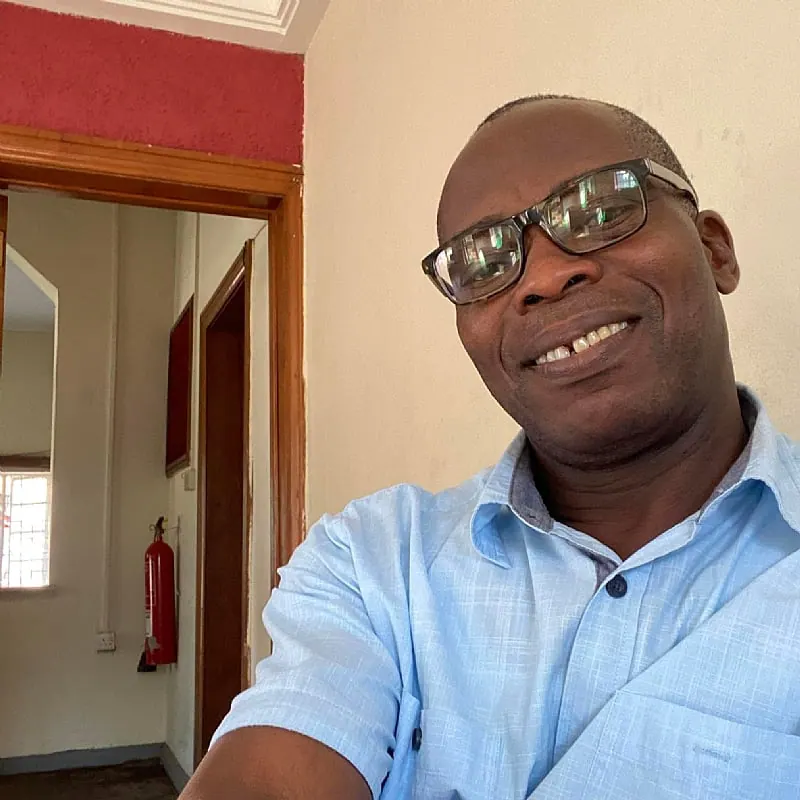
Renowned Ghanaian broadcaster Korsi Asiseh has expressed concerns over the governance structure of the Ghana Football Association (GFA), citing the concentration of power in the hands of the president as a major challenge. According to Asiseh, Ghana's football is suffering due to the reluctance of club owners and management to effect change when something is going wrong. He attributed this to the fear of repercussions, including the loss of investments. Asiseh's comments come at a time when the GFA is facing criticism over its administration and activities.
Asiseh pointed out that the GFA president wields significant influence, making it difficult for others to challenge their authority. He cited the example of the interim committee that was set up to draw a new constitution, which initially limited the GFA president to two terms. However, through the president's influence, members voted to change this provision, allowing the president to serve for an extended period. Asiseh argued that this has created a system where the president has too much power, and this has led to a lack of accountability.
The seasoned broadcaster also highlighted the role of money in influencing decision-making within the GFA. According to him, the president's access to resources allows them to build loyalty among members, who become indebted to them. This, he argued, leads to a situation where members defend the president even when faced with damning evidence of wrongdoing. Asiseh emphasized that this is not unique to Ghana, but a FIFA-wide issue, with the organization's statutes protecting member associations from government interference.
Asiseh proposed that the government should intervene in the situation by scrutinizing the GFA's activities and attaching firm conditions to any public funding. These conditions, he suggested, should include transparency, audited accounts, term limits, and real accountability. If these conditions are refused, Asiseh argued that the funding should be withdrawn, as continuing to pay without getting value for money would be complicity.
The broadcaster also emphasized the need for collective action from the clubs themselves to force constitutional reform. He suggested that if the majority of Premier League clubs organized, they could push for changes through congress. However, this would require a clubs' union with legal backing to break the patronage system. Asiseh also stressed the importance of independent auditing, a genuinely independent electoral commission, and transparency in how sponsorship and FIFA development money is spent.
Asiseh concluded that the GFA constitution is the root of the problem, with money being the transmission mechanism and government funding without conditions being the enabler. He advocated for withdrawing or conditioning funding, provided it is done carefully to avoid FIFA sanctions that would hurt the players and fans. Asiseh emphasized that Ghana's football deserves better and that a change is necessary to ensure the sport's growth and development.
Asiseh's comments have sparked a renewed debate about the governance structure of the GFA and the need for reforms. While some may argue that the GFA is accountable only to FIFA, Asiseh's proposal for government intervention and conditional funding has merit. Ultimately, the goal should be to ensure that Ghana's football is governed in a transparent and accountable manner, with the interests of the sport and its stakeholders at heart.
Key points
- The GFA president has too much power, leading to a lack of accountability.
- Money plays a significant role in influencing decision-making within the GFA.
- The government should intervene by scrutinizing the GFA's activities and attaching conditions to public funding.