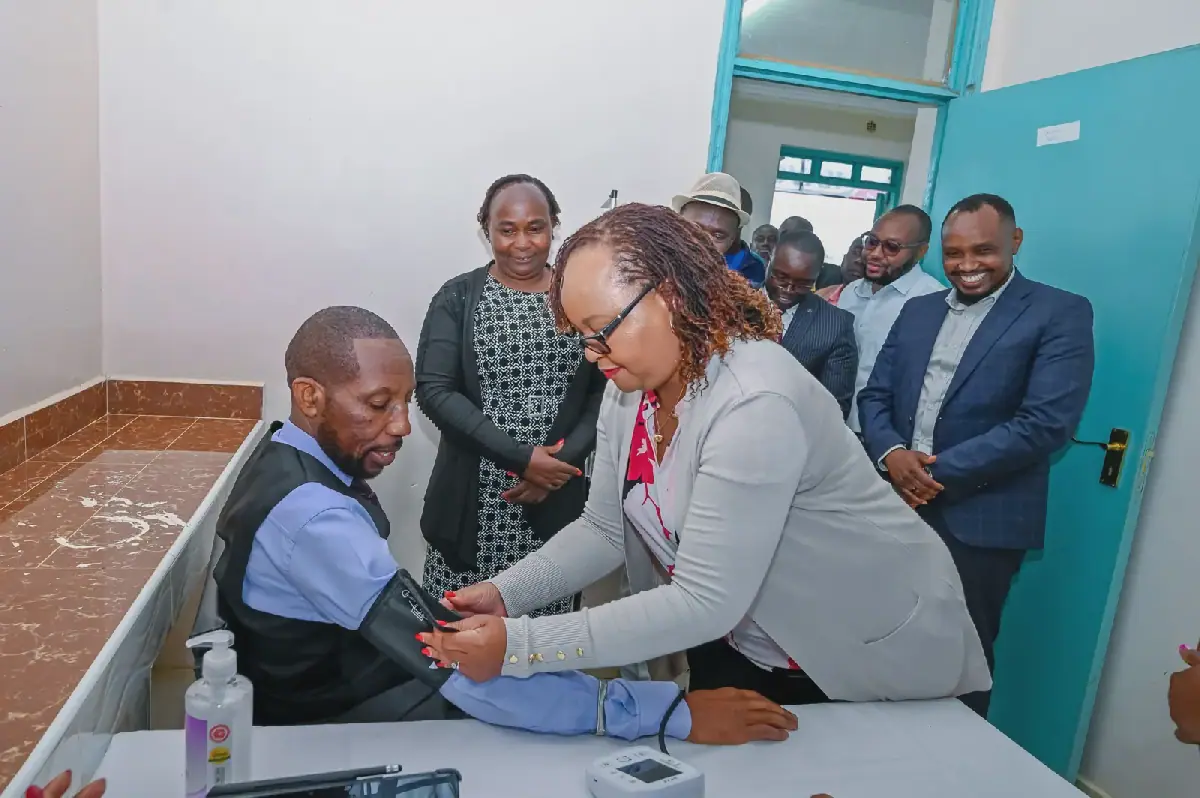
The County Government of Kirinyaga has urged residents to undergo regular diabetes screening, adopt healthy eating habits, and engage in physical exercise to prevent and manage the increasing number of diabetes cases. This call to action was made as the county joined the rest of the world in commemorating World Diabetes Day 2026. According to the county department of health, 9,460 residents have been diagnosed and are being treated for diabetes, with 3,000 of them also suffering from hypertension.
The high prevalence of diabetes in Kirinyaga and the Mt. Kenya region is attributed to dietary and lifestyle habits, particularly the consumption of carbohydrate-rich foods such as ugali. George Karoki, the County Executive Committee Member for Health, emphasized the importance of consuming food in moderation and engaging in adequate physical exercise to manage diabetes. Karoki noted that Kirinyaga is economically active and a leading agricultural county, producing a lot of rice and maize, which contributes to the widespread consumption of carbohydrate-rich foods.
Governor Anne Waiguru's administration is strengthening community-based healthcare to provide residents with essential health education, early diagnosis, and treatment for non-communicable diseases such as diabetes and hypertension. Through the deployment of 1,222 Community Health Promoters, the county has expanded its preventive healthcare network, taking health education and basic healthcare services directly to households. This initiative has enabled Kirinyaga to rank among the top five counties nationally in diabetes and hypertension screening and initiation of care.
The county government has decentralized screening, diagnosis, and treatment of non-communicable diseases to health facilities across the county, making it easier for residents to access these services. The County Executive Committee Member for Health urged everyone to come forward for free screening services. Robert Ireri, County Coordinator of the Kenya Defeat Diabetes Association, who has lived with diabetes for 32 years, encouraged residents to visit health facilities and establish their diabetes status, and urged those diagnosed with the condition to seek treatment and education on how to manage it.
Ireri's sentiments were echoed by Simon Wambu, a diabetes warrior who has lived with the condition for 17 years. Despite losing a leg to the disease, Wambu has continued to manage his condition and urged residents to take their health seriously by maintaining proper diets, attending regular medical check-ups, exercising, and managing stress. Wambu expressed gratitude to Governor Waiguru's administration and healthcare workers for supporting people living with diabetes.
The county government's efforts to combat diabetes and other non-communicable diseases have been lauded by residents and health experts. The interventions have seen a significant increase in diabetes and hypertension screening and initiation of care in the county. Residents are encouraged to take advantage of the free screening services and adopt healthy lifestyle habits to prevent and manage diabetes.
Key to the county's strategy is the deployment of Community Health Promoters, who provide health education and basic healthcare services directly to households. This approach has not only increased access to healthcare but also empowered residents to take charge of their health. By adopting healthy lifestyle habits and seeking early diagnosis and treatment, residents can reduce their risk of developing diabetes and other non-communicable diseases.
Key points
- The county government has decentralized screening, diagnosis, and treatment of non-communicable diseases to health facilities across the county.
- 9,460 residents have been diagnosed and are being treated for diabetes in Kirinyaga County.
- The county has deployed 1,222 Community Health Promoters to provide health education and basic healthcare services directly to households.
Reporting sources
- Kirinyaga intensifies diabetes screening campaign · Kenya Broadcasting Corporation