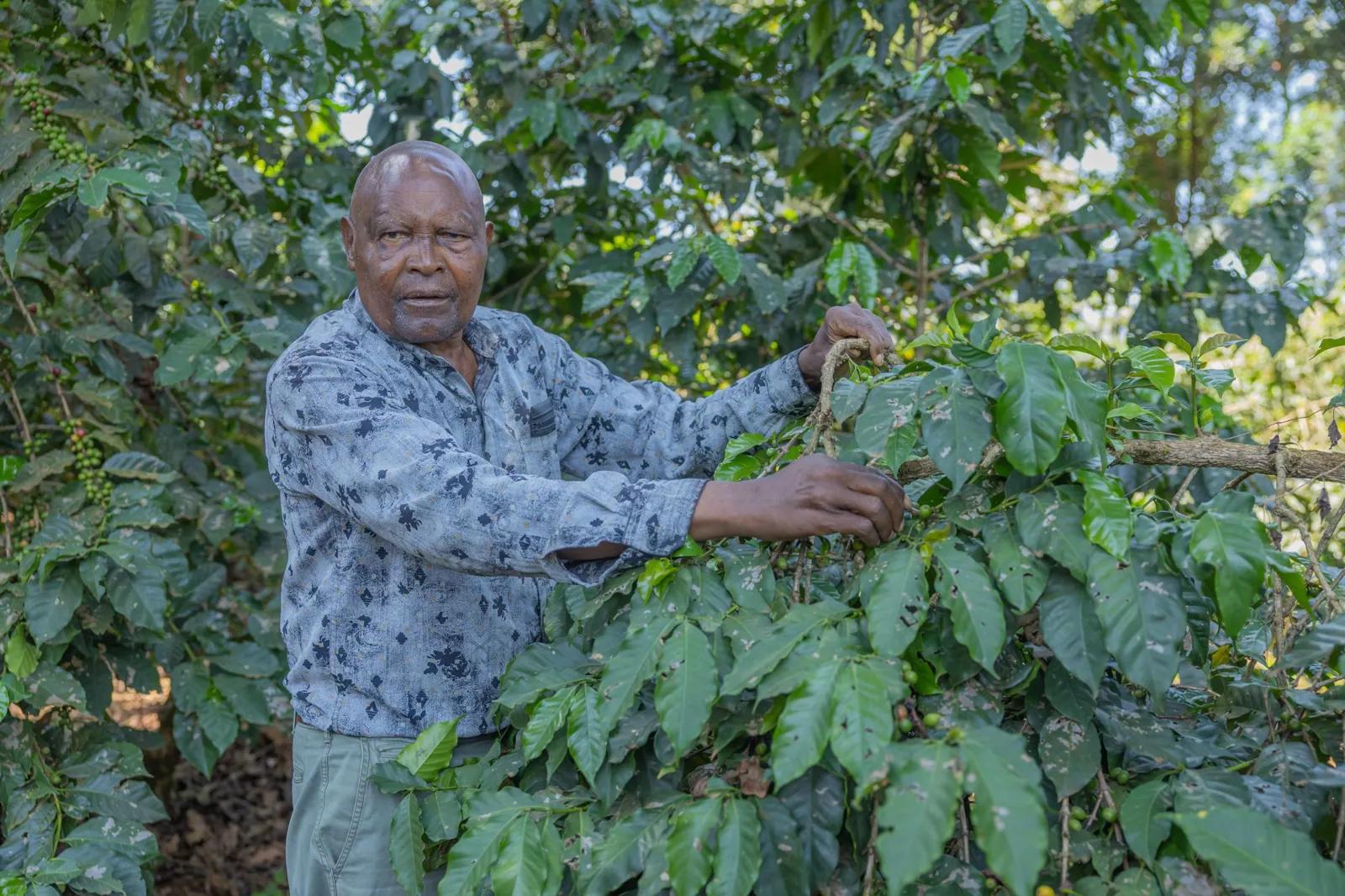
Kirinyaga coffee farmers, including retired teacher John Ndamberi, are benefiting from improved earnings from the crop, which has renewed their confidence in farming. Ndamberi, who started growing coffee in 1986, says his average production is about 80,000 kilos, generating good money to sustain his household after retirement. With earnings between Ksh 130 and Ksh 150 per kilogramme, farmers can meet production costs and household needs until the next payment.
Peter Gichovi, manager at Nyenje Factory, reports that the facility processed about one million kilogrammes of coffee last year, with production projected to rise to 1.2 million kilogrammes in the current season. This growth is significant, especially compared to previous years when coffee prices were too low to motivate farmers to invest in their farms. Simon Muchira notes that the situation has changed, with farmers now showing interest in farming due to good payment from coffee.
At Baragwi Farmers’ Cooperative Society, coffee cherry deliveries have increased from about 10 million kilogrammes in 2023/24 to 11 million kilogrammes in 2024/25, with projections of over 16 million kilogrammes in the current season. Deputy manager Justus Janja attributes this growth to closer collaboration between farmers, agronomists, factory staff, and cooperative leaders, as well as greater attention to coffee quality and farm management.
The Baragwi Farmers’ Cooperative Society paid farmers a highest rate of Ksh 99 per kilogramme in 2023/24, Sh146 in 2024/25, and Sh157 in 2025/26. The society also recorded 68 farmers becoming millionaires from coffee proceeds in the previous season, demonstrating the crop’s potential as a commercial enterprise. Janja emphasizes that coffee farming is a business that requires in-depth engagement.
The increased returns come as the government targets an increase in national coffee production from about 50,000 to 150,000 metric tonnes within three years. The Ministry of Agriculture is investing in high-yielding, disease-resistant seedlings, stronger cooperatives, training, and market reforms to support this goal. For Kirinyaga farmers, the impact is being measured in their ability to pay school fees, workers, and reinvest in coffee.
Farmers are using the improved returns to restore the incentive to maintain and expand their plantations. With the government’s efforts to revitalize the sector, Kirinyaga coffee farmers are optimistic about their future. The record payouts are a welcome boost to the local economy, and farmers are lauding the government’s efforts to support the coffee industry.
Key points
- Kirinyaga coffee farmers are earning between Ksh 130 and Ksh 150 per kilogramme.
- The Baragwi Farmers’ Cooperative Society recorded 68 farmers becoming millionaires from coffee proceeds in the previous season.
- The government aims to increase national coffee production from 50,000 to 150,000 metric tonnes within three years.