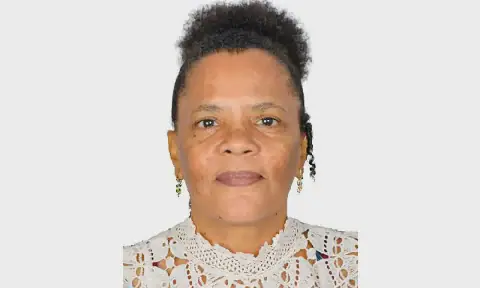
In commemoration of World Cerebral Palsy Day, a neuropsychiatrist in Kinshasa, Democratic Republic of the Congo, has emphasized the importance of safeguarding the mother-child duo from conception to the child's second birthday to prevent cerebral palsy. Dr. Justin Mbusa stated that the brain is most vulnerable during this period, and any damage can lead to cerebral palsy. He made this appeal to the inhabitants of Kinshasa on October 7, 2026.
Cerebral palsy is a neurological disorder that affects motor skills, posture, and balance. Dr. Mbusa explained that it occurs when the brain is damaged or develops abnormally, often during pregnancy, childbirth, or early childhood. This damage can cause difficulties with movement, speech, and coordination. The neuropsychiatrist also highlighted that cerebral palsy is primarily a childhood condition.
Dr. Mbusa took the opportunity to distinguish between mental health and mental illness. He defined mental health as a state of well-being that enables individuals to cope with life's challenges, work productively, and contribute to their community. In contrast, mental illnesses, such as depression or schizophrenia, affect thoughts, emotions, or behavior. The doctor also mentioned other brain-related health issues, including epilepsy, autism spectrum disorder, attention deficit hyperactivity disorder (ADHD), and stroke.
World Cerebral Palsy Day, celebrated on October 6, aims to raise awareness about the condition and promote inclusion and rights for those affected. This year's theme, "Uniques and United," emphasizes the importance of recognizing and supporting individuals with cerebral palsy. According to Dr. Mbusa, protecting the mother-child duo during the first 1,000 days of life is crucial in preventing cerebral palsy.
The neuropsychiatrist's appeal is particularly relevant in the Democratic Republic of the Congo, where access to healthcare and awareness about cerebral palsy may be limited. By educating the public about the condition and its prevention, Dr. Mbusa hopes to reduce the incidence of cerebral palsy and improve the lives of those affected.
Cerebral palsy is the most common motor disability in children, and its prevention requires a comprehensive approach that includes protecting the mother-child duo, promoting healthy pregnancies, and providing adequate healthcare. Dr. Mbusa's message serves as a reminder of the importance of prioritizing maternal and child health to prevent cerebral palsy and other related conditions.
The Congolese press agency reported that Dr. Mbusa's appeal was made in collaboration with the Centre neuropsychopathologique (CNPP). The organization aims to promote mental health and provide support to individuals with neurological disorders. By working together, healthcare professionals, organizations, and the community can make a positive impact on the lives of those affected by cerebral palsy.
Key points
- Protecting the mother-child duo from conception to the child's second birthday can help prevent cerebral palsy.
- Cerebral palsy is a neurological disorder that affects motor skills, posture, and balance.
- World Cerebral Palsy Day aims to raise awareness about the condition and promote inclusion and rights for those affected.