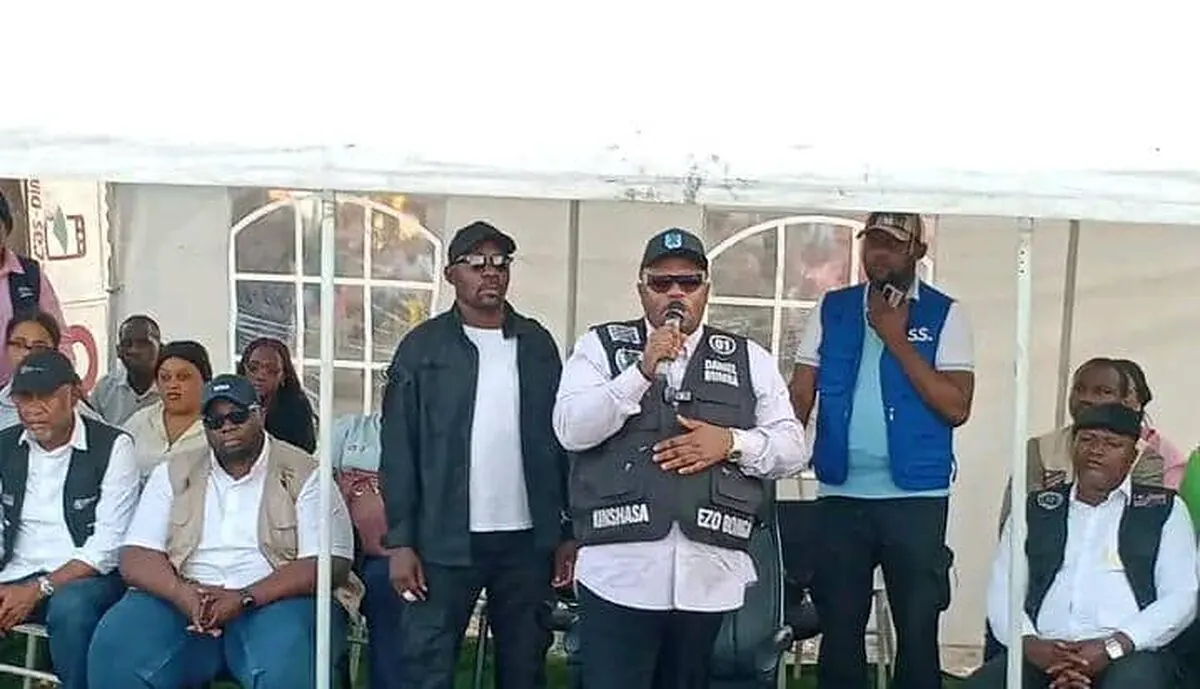
The government of Kinshasa, led by Governor Daniel Bumba, has announced plans to develop approximately 400 waste collection spaces across the city's 400 quartiers. This initiative is part of the "Kinshasa Ezo Bonga" program, which prioritizes sanitation and waste management. The program aims to improve the city's waste management and sanitation infrastructure, addressing the challenges of waste accumulation and inadequate collection and treatment facilities.
The announcement was made during the launch of a project to construct waste dumping zones in the capital city of the Democratic Republic of the Congo. Governor Bumba outlined the various actions being taken to improve household waste management and strengthen sanitation infrastructure. He emphasized that sanitation and waste management are key components of the "Kinshasa Ezo Bonga" program.
As part of this initiative, the government has already made efforts to recover the Mpasa final dumping site. Additionally, plans are underway to develop two other strategic sites, including Luzizila and the University of Kinshasa. One of these sites is currently under development, while the other is expected to undergo necessary works to become operational.
These installations are expected to enhance the city's capacity for waste management and disposal. The provincial authorities plan to establish collection points near residential areas to facilitate waste disposal and improve waste management. This approach aims to encourage residents to participate in waste management efforts.
Governor Bumba stated that a progressive plan is in place to establish collection spaces across the city's quartiers, with a target of approximately 400 spaces. This will enable residents to easily deposit their waste, improving overall waste management in the city. The development of these collection spaces is a key aspect of the government's strategy to address waste management challenges.
The "Kinshasa Ezo Bonga" program seeks to address the city's significant challenges related to waste accumulation and inadequate sanitation infrastructure. The program's success will depend on the effective implementation and sustainable management of these waste collection spaces. If successful, the program will contribute to improving the living conditions of residents and preserving the environment in Kinshasa.
The development of these waste collection spaces and the overall improvement of sanitation infrastructure in Kinshasa are critical steps towards addressing the city's environmental challenges. The government's efforts to engage residents and stakeholders in waste management efforts will be crucial to the program's success. By working together, the government and residents can improve waste management and sanitation in Kinshasa.
Key points
- The government of Kinshasa plans to develop 400 waste collection spaces across the city's 400 quartiers.
- The initiative is part of the "Kinshasa Ezo Bonga" program, which prioritizes sanitation and waste management.
- The program aims to improve the city's waste management and sanitation infrastructure, addressing the challenges of waste accumulation and inadequate collection and treatment facilities.