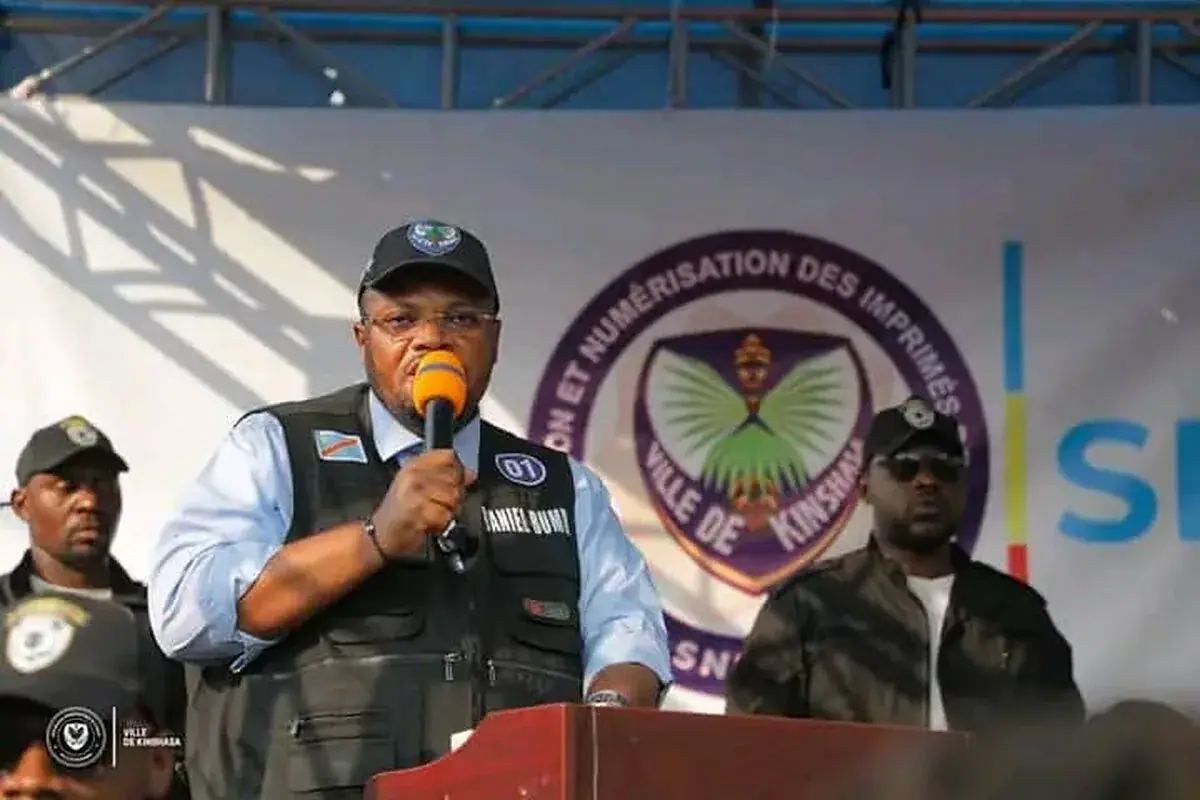
On November 13, 2026, Kinshasa Governor Daniel Bumba Lubaki announced the appointment of a new team to lead the Régie d'assainissement de Kinshasa (RASKIN). This move aims to strengthen waste management mechanisms and revitalize efforts to combat unsanitary conditions in the Congolese capital. The decision reflects the provincial government's commitment to addressing one of the city's major challenges: managing waste effectively.
The new team faces significant challenges, including the accumulation of household waste, litter along major roads, and persistent unsanitary conditions in markets and residential areas. This situation poses a threat to public health and the environment, with clogged drains, stagnant water, and flood risks exacerbating the problem. The new leadership must make RASKIN a more effective and present entity on the ground.
Governor Bumba's initiative is part of a broader effort to improve Kinshasa's urban landscape and restore its status as a clean, modern, and attractive capital. The provincial government has launched several initiatives, including the planned reopening of the Grand Marché de Kinshasa, also known as "Zando," and various cleanup operations in several communes.
The new RASKIN team has four key priorities: intensifying waste collection and disposal, strengthening public space sanitation, improving coordination with stakeholders, and promoting citizen awareness about responsible waste management. By addressing these areas, the team aims to reduce unsanitary conditions and improve the daily lives of Kinshasa's residents.
The appointment of the new team has raised expectations among residents, who hope to see tangible improvements in their environment. They want regular waste collection, well-maintained public spaces, and cleaner residential areas. The new leadership must translate these ambitions into concrete results, making the fight against unsanitary conditions a priority for urban transformation in Kinshasa.
Governor Bumba's administration is under pressure to deliver on its promises, and the success of the new RASKIN team will be closely watched. The team must work collaboratively with local authorities, technical services, and partners to develop effective solutions to Kinshasa's waste management challenges.
Ultimately, the new RASKIN team's success will depend on its ability to work effectively with stakeholders, engage with residents, and implement concrete solutions to Kinshasa's sanitation challenges. By doing so, they can help create a cleaner, healthier, and more sustainable urban environment for the city's residents.
Key points
- The new RASKIN team has four key priorities: intensifying waste collection and disposal, strengthening public space sanitation, improving coordination with stakeholders, and promoting citizen awareness about responsible waste management.