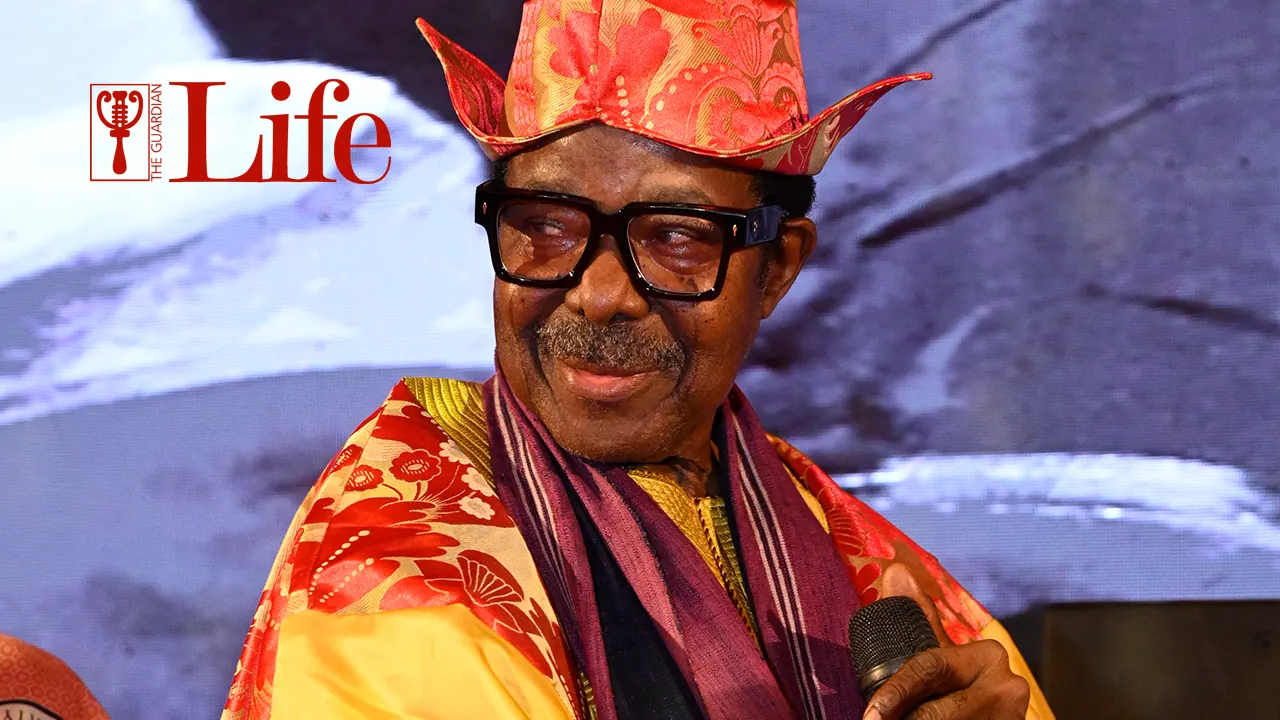
Nigerian music legend King Sunny Adé marked his 80th birthday on September 22, 2026. Born Chief Sunday Adeniyi Adegeye, he is a renowned singer, guitarist, and jùjú music icon with a career spanning over six decades. King Sunny Adé began his journey with Moses Olaiya’s Federal Rhythm Dandies before forming the Green Spots in 1967, later renamed African Beats. His music has become an integral part of Nigerian culture, enjoyed at weddings, family gatherings, and dance floors across the country and beyond.
King Sunny Adé’s global success led international media to bill him as “the African Bob Marley.” His album, Jùjú Music, released in 1982, brought him international recognition after signing with Island Records. This success earned him a nomination for a Grammy Award, making him the first Nigerian artiste to receive such recognition. Additionally, his album Odu earned him a second nomination. His contributions to music have been acknowledged with the MFR and inductions into the Afropop, Hard Rock Café, and Headies halls of fame.
Despite his fame, King Sunny Adé admits that the price of success took a toll on his personal life. He missed many intimate family milestones, including birthdays and quiet evenings at home, as he was often in the studio or on tour. However, he believes that these sacrifices were necessary for his success. King Sunny Adé’s music has followed generations, and he remains proud of his legacy, stating that his greatest achievement is touching millions of souls across generations.
King Sunny Adé’s career has spanned over 60 years, and he has experienced various challenges. The early 1970s, following the Nigerian Civil War, were particularly difficult, with economic and structural challenges affecting his music. Despite these challenges, he persevered, and his music continued to thrive. His ability to connect with his audience has been a key factor in his success, as he recalls a night when the crowd listened attentively to every lyric, and he felt a divine shift in his music.
When Island Records introduced King Sunny Adé to the world, there were expectations that he would become Africa’s next Bob Marley. However, he refused to be compared to the reggae legend, stating that he was “the first King Sunny Adé.” He brought a unique sound to the music scene, incorporating Yoruba polyrhythms, the pedal steel guitar, and the talking drum. This distinct sonic energy set him apart and contributed to his global success.
At 80, King Sunny Adé reflects on the lessons he has learned throughout his life. He believes that true success is not measured by wealth but by the peace in one’s mind and the legacy of music left behind. Family is essential to him, and he is grateful to see his son, Emperor Adé, taking up his legacy. King Sunny Adé’s days are now filled with prayer, family, mentoring, and working on his archives, which contain unreleased recordings made in Lagos, London, and Nashville.
King Sunny Adé attributes his business acumen for protecting his career. Establishing his own record label, Sunny Alade Records, allowed him to retain control over his masters and production. This decision gave him independence in an era where many artistes were exploited by middlemen. As he looks to the future, King Sunny Adé remains committed to his music and legacy, inspiring a new generation of musicians and fans alike.
Key points
- King Sunny Adé has been nominated for two Grammy Awards and has been inducted into multiple music halls of fame.
- He has released several albums, including Jùjú Music and Odu.
- King Sunny Adé’s music has become an integral part of Nigerian culture, enjoyed at social gatherings and celebrations.