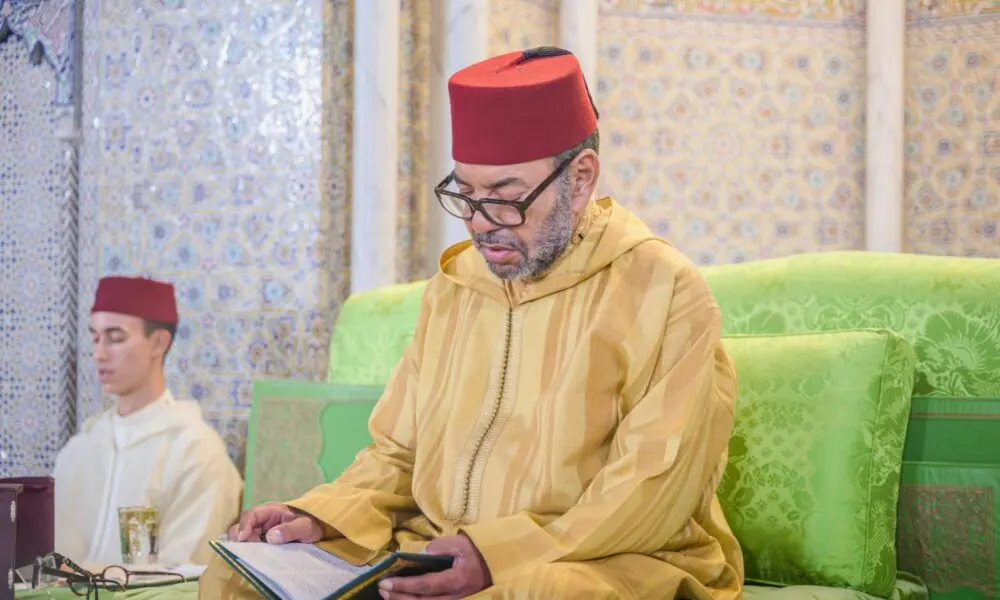
King Mohammed VI, Commander of the Faithful, will preside over a religious vigil at the Mohammed V Mausoleum in Rabat on Monday to mark the 28th anniversary of the death of King Hassan II. The ceremony, corresponding to 9 Rabii II 1448 in the Islamic calendar, will be broadcast live on national radio and television starting at Maghrib prayers. This event is a significant tradition in Morocco, honoring the late monarch's legacy and contributions to the country's development.
King Hassan II ruled Morocco from 1961 until his death in 1999, playing a central role in shaping the country's modern political, economic, and diplomatic institutions. During his reign, Hassan II oversaw major state-building projects, territorial developments, and the expansion of Morocco's diplomatic engagement abroad. His leadership had a lasting impact on the country's growth and stability.
One of the defining events of Hassan II's reign was the Green March of November 6, 1975, when hundreds of thousands of Moroccans marched toward Western Sahara following a call from the monarch. This event marked a significant milestone in Morocco's history, demonstrating the country's commitment to its territorial claims. Hassan II's reign also saw Morocco regain Sidi Ifni from Spain in 1969 and Oued Eddahab in 1979.
Domestically, Hassan II made dam construction one of the central pillars of his development strategy. Launched in the 1960s, the policy sought to expand irrigated agriculture, strengthen water security, and reduce the country's vulnerability to recurring droughts. This initiative had a positive impact on Morocco's agricultural sector and overall economic growth.
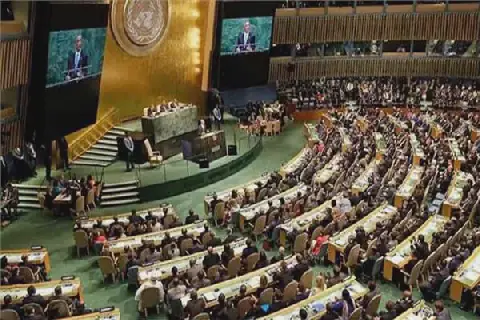
Hassan II's foreign policy was characterized by Morocco's close ties with Western partners, while remaining active in Arab, Islamic, and African affairs. The late monarch was involved in diplomatic efforts surrounding the Arab-Israeli conflict and Middle East peace process. Morocco also participated in the establishment of the Organization of African Unity, the predecessor of today's African Union, and later the Arab Maghreb Union.
In 2022, Hassan II was posthumously awarded a Pan-African prize in Ethiopia, recognizing his contribution to African independence movements and continental cooperation. This award acknowledges Hassan II's commitment to African unity and cooperation. The late monarch's legacy continues to be celebrated in Morocco and across the continent.
Monday's ceremony will bring members of the royal family, officials, and religious figures together in remembrance of King Hassan II. The event is a testament to the late monarch's enduring impact on Morocco's history and development. King Mohammed VI's presence at the ceremony underscores the royal family's commitment to honoring Hassan II's legacy.
Key points
- King Mohammed VI will preside over a religious vigil at the Mohammed V Mausoleum in Rabat to mark the 28th anniversary of King Hassan II's death.
- Hassan II played a central role in shaping Morocco's modern political, economic, and diplomatic institutions during his 38-year reign.
- The late monarch was involved in diplomatic efforts surrounding the Arab-Israeli conflict and Middle East peace process, and was posthumously awarded a Pan-African prize in 2022.