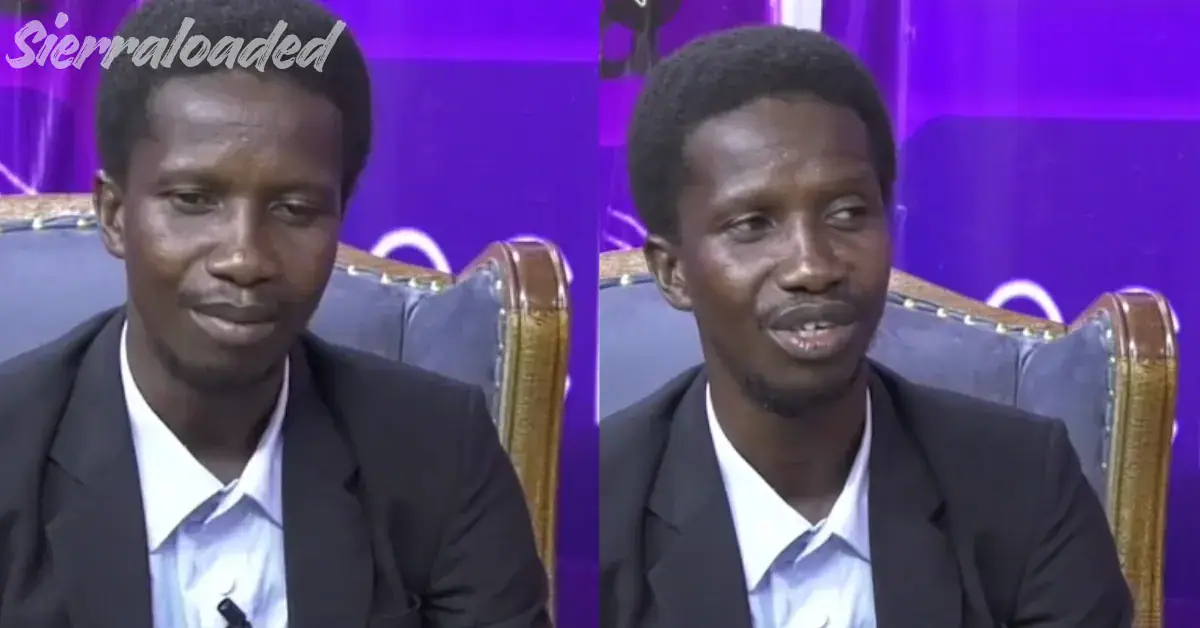
King Kappr Thally Bah, president of the National Union of Civil Society Organisations in Sierra Leone, has expressed concerns about the independence of civil society organisations in the country. In an interview with Echo Media on November 3, 2026, Bah highlighted the financial dependence of these organisations on government institutions as a major obstacle to their ability to demand accountability. This dependence, he argued, could compromise their independence and effectiveness in holding public authorities accountable.
Bah emphasised the crucial role that civil society organisations and the media play in ensuring that government institutions are transparent and accountable to the people. He noted that these organisations are expected to identify problems within communities and bring them to the attention of the relevant authorities. However, the financial dependence on government institutions can discourage organisations from consistently challenging public institutions, leading to a decline in independent advocacy groups.
The civil society leader used the health sector as an example of the challenges faced by activists who raise concerns about service-delivery challenges. He described how activists who highlight issues such as inadequate hospital staffing and medical equipment may face resistance from the authorities responsible for addressing those shortcomings. This resistance, Bah argued, can undermine the independence of civil society organisations and compromise their ability to hold government institutions accountable.
Bah also questioned the effectiveness of Parliament in representing the interests of Sierra Leoneans. He argued that the current legislature has increasingly prioritised political party interests over the concerns of constituents. Bah maintained that parliamentary representation should be centred on citizens rather than party affiliations, particularly given Parliament’s responsibility to scrutinise government activities.
The civil society leader reflected on Sierra Leone’s post-war development, questioning whether institutions had sufficiently fulfilled their responsibilities since the civil war officially ended in 2002. He highlighted the importance of strengthening institutional independence and ensuring that civil society, the media, and Parliament remain accountable to the people they are constitutionally or institutionally expected to serve.
Bah’s remarks have sparked a renewed debate about the role of civil society organisations in promoting accountability and good governance in Sierra Leone. His comments have also highlighted the need for civil society organisations to diversify their funding sources and reduce their dependence on government institutions. This, he argued, would enable them to maintain their independence and effectively hold public authorities accountable.
The National Union of Civil Society Organisations in Sierra Leone has a crucial role to play in promoting accountability and good governance in the country. As the president of the organisation, Bah’s comments are expected to shape the discourse on civil society’s role in promoting democratic values and good governance in Sierra Leone.
Key points
- Financial dependence on government institutions undermines the independence of civil society organisations.
- Civil society organisations have a crucial role to play in promoting accountability and good governance.
- Parliament’s prioritisation of party interests over constituents’ concerns compromises its effectiveness in representing Sierra Leoneans.