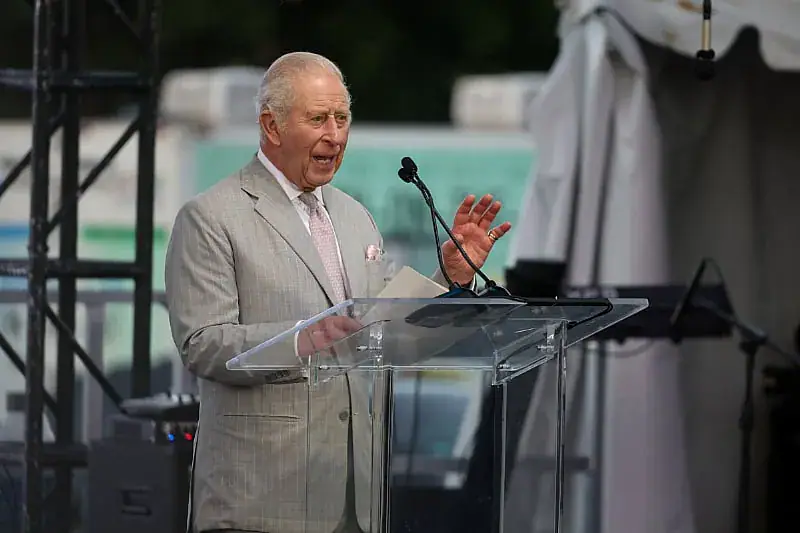
King Charles III, Head of the Commonwealth, has stated that "History is not ours to choose or change" in remarks about the legacy of slavery and growing calls for reparatory justice. He made the statement during the opening of the 28th Commonwealth Heads of Government Meeting (CHOGM) in Antigua and Barbuda on November 3, 2026. The monarch acknowledged the transatlantic slave trade as a shameful chapter that continues to affect Caribbean nations and other Commonwealth members.
The King expressed profound personal sorrow over the horrors of the slave trade, stating it fills his heart with horror and his soul with profound personal sorrow. He emphasized that his growing understanding of historical injustices has strengthened his commitment to finding ways for Commonwealth nations to work together to address their lasting consequences. King Charles III highlighted areas such as access to education, investment in jobs and opportunities, increased intra-Commonwealth trade, and climate resilience.
The King's remarks come amid renewed calls from Caribbean leaders and reparations advocates for Britain to acknowledge its historical role in slavery and engage in meaningful discussions on reparatory justice. Although he expressed sorrow and acknowledged the enduring consequences, the King did not issue a formal apology or announce reparations. The debate over reparations remains a significant issue at this year's Commonwealth summit.
The meeting brings together leaders of Commonwealth member states to discuss shared challenges and explore opportunities for cooperation, development, and a more prosperous future. King Charles III has been involved with the Commonwealth for almost thirty years, attending his first CHOGM meeting in the early 1990s. He expressed gratitude to the Government and people of Antigua and Barbuda for their hospitality.
The Commonwealth family has mattered greatly to King Charles III for his whole life, particularly as King and Head of the Commonwealth. He has tried to offer service, especially in support of young people, of whom Commonwealth countries have over a billion. The King also emphasized the importance of protecting the natural environments that Commonwealth nations depend upon.
King Charles III reflected on the complexities of history, stating that it is bequeathed to us in complex synthesis by forebears we can never know. Our inheritance includes both their achievements and failures – the good they did as well as the wrongs. He emphasized that history inspires us, can appall us, yet can always teach us.
The King's speech highlighted that history also teaches us that evil need not have the last word; that character and courage can combine to overcome the most monstrous injustice. He noted that the Royal Navy played a leading role in ending the international trade in enslaved people. The King concluded by emphasizing his commitment to finding ways for Commonwealth nations to work together to address the wrongs of the past with action for the future.
Key points
- King Charles III acknowledges the painful history of the transatlantic slave trade and its lasting consequences.
- The King highlights areas for Commonwealth nations to address the consequences of slavery, including education, jobs, and climate resilience.
- The debate over reparations remains a significant issue at the Commonwealth summit, with Caribbean leaders and advocates calling for recognition, accountability, and concrete measures.