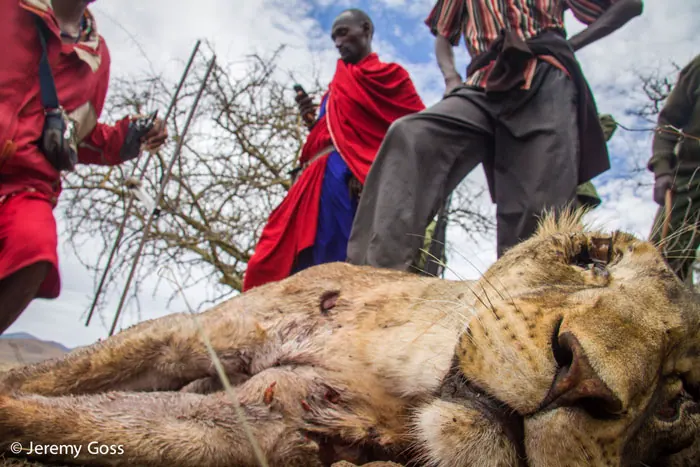
A disturbing incident has unfolded in Tanzania's Ngorongoro Conservation Area, where ten lions were found dead over the weekend. Preliminary findings suggest that poisoning may have caused their deaths, prompting the Ngorongoro Conservation Area Authority (NCAA) to launch a professional investigation. The incident has sparked widespread concern and condemnation, with authorities vowing to take firm action against those responsible.
The Ngorongoro Conservation Area is one of Tanzania's most celebrated wildlife destinations and a UNESCO World Heritage property of global importance. The area is renowned for its extraordinary landscape, biodiversity, and concentration of wildlife, making it a major tourist attraction. The loss of 10 lions has raised concerns about the impact on the tourism industry, which is a significant contributor to Tanzania's economy.
Lions are a central part of the tourism experience in Tanzania, with visitors traveling thousands of kilometers to see wildlife in its natural habitat. The Serengeti-Ngorongoro ecosystem is home to a diverse range of species, including elephants, rhinos, buffaloes, and wildebeest. The killing of lions undermines the foundation of the tourism industry, which requires a healthy and thriving wildlife population.
The incident highlights the challenges of balancing wildlife conservation with the livelihoods of local communities, particularly pastoralists. Ngorongoro is a multiple-use conservation area, where wildlife conservation must coexist with the needs of local communities. UNESCO has stressed the need for sustainable livelihoods, wildlife protection, and ecosystem management.
The authorities have vowed to complete the investigation swiftly and ensure that those responsible face the law if criminal wrongdoing is confirmed. The incident has sparked a wider debate about the need for effective wildlife management and the importance of protecting Tanzania's wildlife assets. Every lion lost to an avoidable act of poisoning diminishes not only the ecosystem but also the tourism economy and the country's international reputation.
The killing of lions is not only a loss for the ecosystem but also for the tourism industry, which is working to strengthen Tanzania's position as a leading international tourism destination. The incident has raised concerns about the impact on the country's reputation and the need for marketing, better infrastructure, and improved air connectivity to attract more tourists.
The authorities have urged for calm and promised to take firm action against those responsible for the killing of the lions. The incident has sparked a renewed call for dialogue, compensation, prevention, and effective wildlife management to prevent similar incidents in the future. The investigation is ongoing, and the authorities have promised to provide updates on the progress.
Key points
- The killing of 10 lions in Ngorongoro Conservation Area has sparked outrage and concern over tourism and conservation in Tanzania.
- The incident highlights the challenges of balancing wildlife conservation with the livelihoods of local communities.
- The authorities have vowed to complete the investigation swiftly and ensure that those responsible face the law if criminal wrongdoing is confirmed.