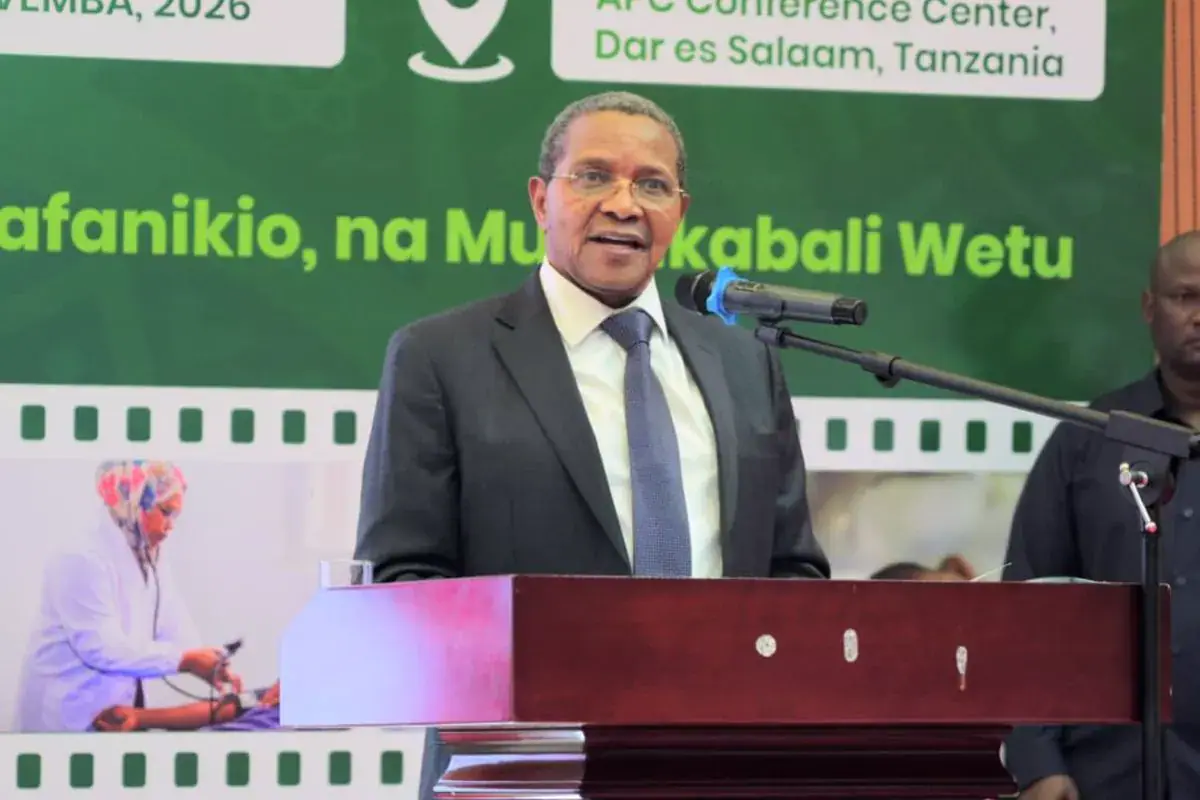
Former Tanzanian President Jakaya Kikwete has called on scientists to strengthen health research and ensure that proven interventions reach communities, particularly in the fight against malaria. Speaking at the 70th anniversary celebrations of the Ifakara Health Institute (IHI) and its fifth Scientific Conference, Kikwete emphasized the need to prevent unnecessary suffering and protect productivity and development. He highlighted the importance of research into insecticide-treated mosquito nets and malaria vaccines.
Kikwete's remarks underscored the significance of collaboration among the government, research institutions, health workers, manufacturers, and development partners to ensure that proven interventions reach those who need them most. During his presidency and beyond, Kikwete reflected on his contribution to malaria control efforts. The IHI Chief Executive Director, Dr. Aly Olotu, pledged to strengthen the institute's research capacity by supporting emerging scientists and sustaining research platforms.
Dr. Olotu emphasized the importance of building an institution that can sustain its scientific contribution for generations to come. He said the milestone offered an opportunity to reflect on the institute's history, recognize its achievements, and agree on a shared vision for the future. The next generation of scientists will inherit the institution that is built today, and that is how we honor our roots and extend our reach.
Switzerland's Ambassador to Tanzania, Nicole Providoli, highlighted the seven-decade partnership between Switzerland and Tanzania in health research. The partnership has strengthened scientific collaboration and helped address public health challenges, with IHI among its notable achievements. The collaboration brings together Swiss and Tanzanian institutions, including the Swiss Tropical and Public Health Institute and the Ministry of Health.
Providoli emphasized that the partnership remains particularly important as malaria, emerging and re-emerging infectious diseases, climate change, and population growth place increasing demands on health systems. She commended IHI for producing rigorous research that responds to community needs and contributes to solutions of global significance. Providoli also underscored the need for sustained investment in local research capacity.
The fifth Ifakara Annual Scientific Conference, which runs until November 12, brings together scientists, policymakers, and health leaders from across the world to discuss pressing health challenges, including malaria prevention, control, and treatment. The conference aims to foster collaboration and knowledge sharing to address these challenges. Participants will discuss ways to strengthen health research and ensure that proven interventions reach communities.
The Ifakara Health Institute has been a key player in health research in Tanzania, with a focus on addressing public health challenges. The institute's research has contributed significantly to malaria control efforts worldwide. As the institute celebrates its 70th anniversary, it is clear that its work will continue to have a lasting impact on health research and policy in Tanzania and beyond.
Key points
- Former President Jakaya Kikwete calls for stronger collaboration to ensure proven interventions reach communities in the fight against malaria.
- The Ifakara Health Institute celebrates its 70th anniversary and fifth Scientific Conference, highlighting its achievements and future plans.
- Switzerland and Tanzania mark seven decades of partnership in health research, with a focus on addressing public health challenges.