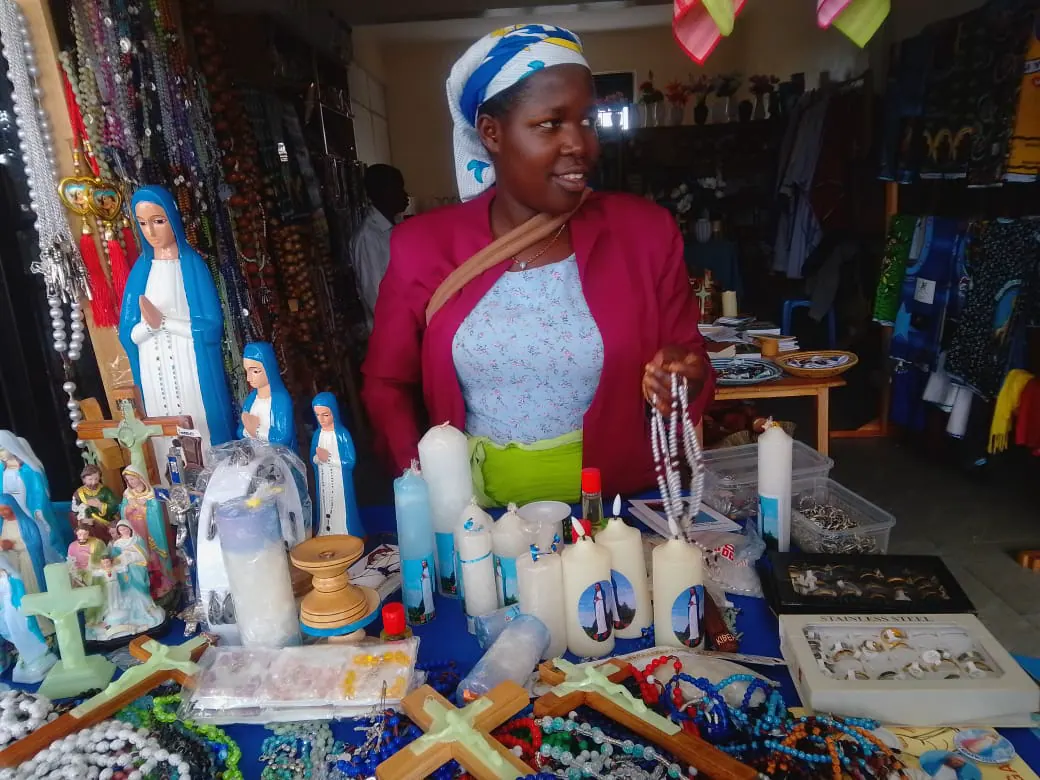
Thousands of Catholic pilgrims flock to Kibeho in southern Rwanda every year, and many leave with containers of water from a stream they regard as spiritually significant. This practice has become a source of income for local traders, including Mukamana Claudette, who has built a livelihood selling the water alongside religious items. Claudette's small stand attracts hundreds of customers daily, particularly pilgrims who prefer not to make the descent to the stream themselves.
Claudette sells a five-litre jerrycan of holy water for Rwf1,500 and receives more than 250 customers on a typical day. She says the business has enabled her to raise her five children, all of whom are currently in school. The water is not just an ordinary commodity, but one that believers associate with spiritual blessings, protection, and good fortune. Some customers have reportedly experienced positive changes after using it, according to Claudette.
The attraction to Kibeho water is not just about the water itself, but what it represents. Believers like Claudette and her customers associate it with spiritual significance, and some claim it has done wonders in their lives. Claudette herself is a believer in its perceived benefits, saying she drinks it when she has a headache and is fine afterwards. Such accounts reflect personal beliefs and experiences rather than medically established effects.
For some pilgrims, buying the holy water has become a regular practice. Jado Hakizimana, for instance, buys it every week for his 78-year-old mother, who strongly believes in its spiritual significance. He says his mother calls it 'Maggie holy water' and believes it cleanses all sins and removes bad omens. This shows how deeply ingrained the belief in the water's spiritual significance is among some pilgrims.
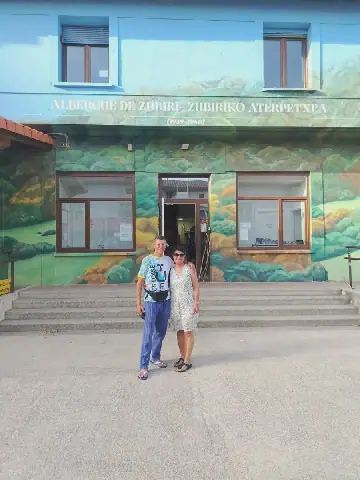
Kibeho, in Rwanda's Southern Province, is an important pilgrimage destination internationally recognised within the Catholic Church for reported Marian apparitions that began in 1981. The Catholic Church recognised the apparitions in 2001, making Kibeho a site that attracts thousands of Catholics, particularly during major religious celebrations. Pilgrims also come from neighbouring countries and farther abroad.
The site has attracted prominent visitors over the years, including international football stars who are Catholic. Argentine football legend Sergio Agüero has been among high-profile visitors associated with Kibeho. For many visitors, collecting the holy water has become part of their pilgrimage experience. Katumbi, who travelled from the Democratic Republic of Congo, said the long journey to Kibeho was worth it, as he now feels like a fresh human being.
The trade around the holy water shows another side of the pilgrimage: how religious tourism is creating everyday economic opportunities for the communities surrounding the shrine. For Claudette, the business has gone beyond selling souvenirs; it has become the livelihood through which she has educated her five children and supported her family. The steady flow of visitors has turned into an important source of household income for residents living around the shrine.
Key points
- Local traders in Kibeho are making a living by selling holy water to Catholic pilgrims.
- The holy water is believed to have spiritual significance, with some pilgrims claiming it has brought them blessings and good fortune.
- The trade around the holy water has created economic opportunities for residents living around the shrine.