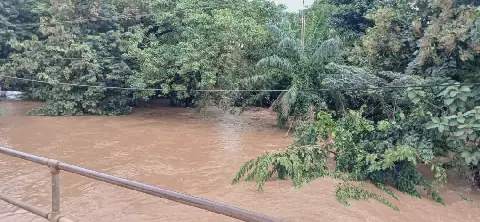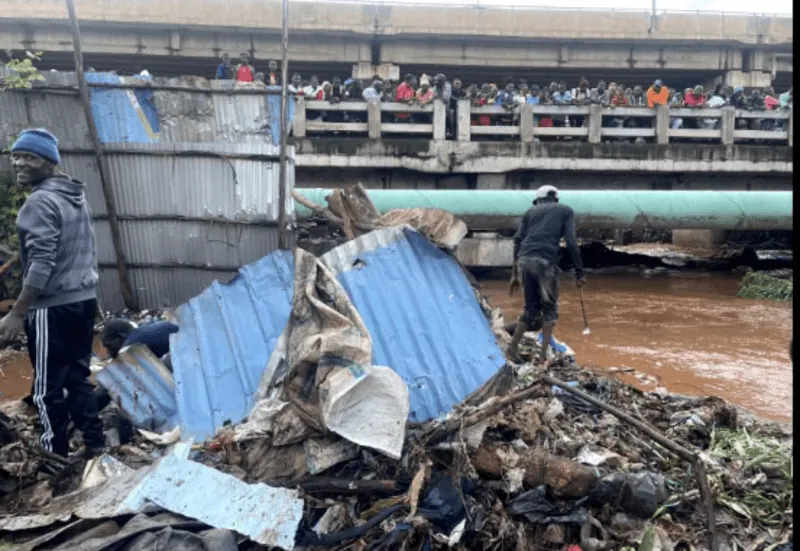
The Kenya Human Rights Commission (KHRC) has warned that low-income families living in informal settlements are at a higher risk of being affected by the upcoming El Niño rains, which are expected to trigger widespread flooding. This warning is based on past experiences, including the 2024 floods that disproportionately affected poorer communities. The commission has urged the government to prioritize equal protection and rights-based disaster planning to mitigate the impact of the floods on vulnerable populations.
The 2024 floods, which occurred in April, had a devastating impact on low-income areas, including Nairobi's Mathare, Mukuru, Kibera, Korogocho, Kawangware, and Majengo. The floods resulted in the destruction of homes, small businesses, and essential services, leaving many residents without access to basic necessities. Human Rights Watch reported that at least 200 displaced people in Mathare had not received shelter or food weeks after the flooding, highlighting the gaps in emergency support for low-income areas.
The Kenya Meteorological Department recorded that the April floods forced families in Mathare, Kibera, and Mukuru to seek temporary shelter in schools. Additionally, demolitions in Mukuru Kwa Reuben, Kwa Njenga, Kiamaiko, and Majengo left many residents without adequate alternative housing. Amnesty International documented at least 6,000 households forcibly evicted from Mathare and Mukuru Kwa Njenga between March and April 2024, exposing residents to food shortages and loss of basic services.
A survey conducted by the KHRC and Elimubora Working Group found that more than 62 primary schools were submerged, affecting approximately 15,000 learners. The survey also recorded 34 cholera cases and damage to over 200 toilets, highlighting the significant health and education risks associated with the floods. These findings underscore the need for the government to prioritize the needs of vulnerable populations in its disaster planning and response efforts.
KHRC Executive Director Davis Malombe has urged the government to place human rights at the center of El Niño preparations. He emphasized that evacuation and relocation decisions should be based on safety rather than income or location. The commission is demanding that authorities identify safe, affordable alternative housing before evacuations begin and involve affected communities in relocation decisions.
The KHRC has also highlighted the need to protect human rights defenders and community organizations monitoring flood responses. During the 2024 crisis, police raided the Mathare Social Justice Centre and Ghetto Foundation, raising concerns about the safety and security of those working to support affected communities. The commission's call for rights-based disaster planning is aimed at ensuring that the needs of vulnerable populations are protected and prioritized.
As the El Niño rains approach, the KHRC's warning serves as a timely reminder of the need for proactive measures to mitigate the impact of the floods on Kenya's poorest settlements. The government's response to these concerns will be critical in determining the extent to which vulnerable populations are protected and supported in the face of this natural disaster.
Key points
- Low-income families in informal settlements face the greatest risk from upcoming El Niño rains.
- The 2024 floods disproportionately affected poorer communities, with women and children being among those most affected.
- The KHRC is urging the government to prioritize rights-based disaster planning and protect human rights defenders and community organizations monitoring flood responses.