In Algeria, the phenomenon of khol' divorce is gaining traction, with more women opting to end their marriages without their husband's consent. This trend is driven by various factors, including financial difficulties, lack of independence, and marital discord. According to the Algerian Ministry of Justice, khol' divorces accounted for 27% of all divorces between 2021 and the first half of 2025.
The concept of khol' is enshrined in Algeria's Family Code, which allows a wife to initiate divorce by paying a compensation to her husband. This right was introduced in the 1984 Family Code and reinforced in the 2005 reform. The compensation amount is determined by the judge and cannot exceed the value of the "sadaq el mithl," or the standard dowry paid for a woman of similar social standing.
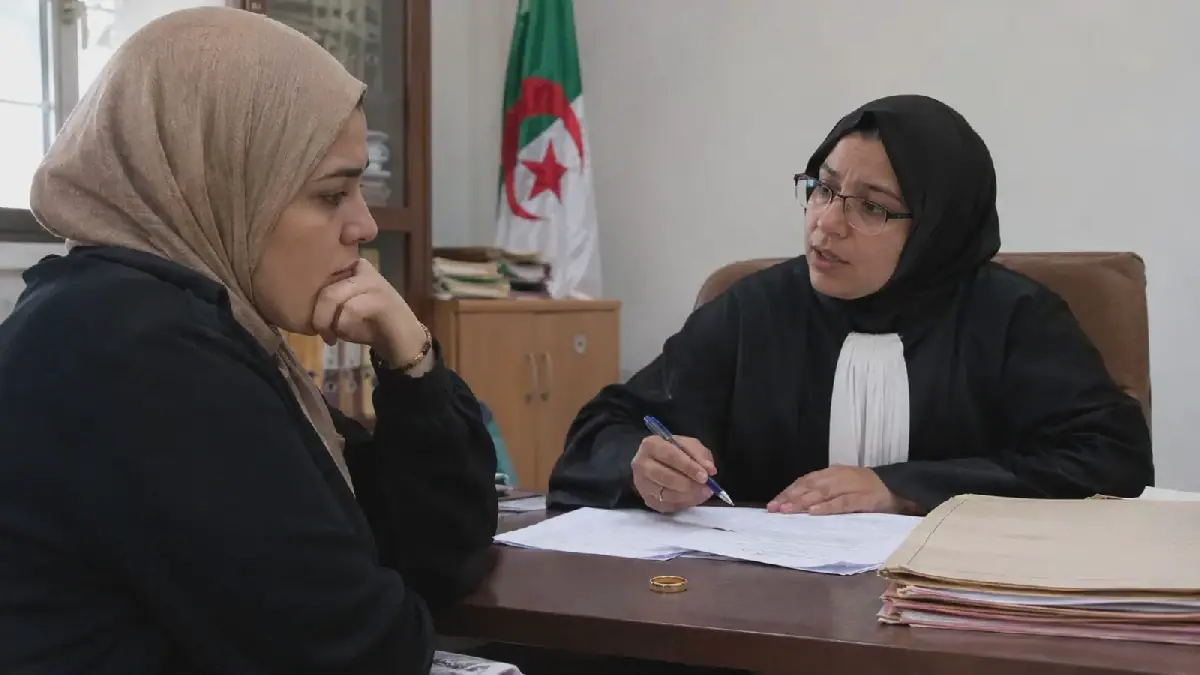
The process of khol' divorce involves a judge attempting to reconcile the couple multiple times within a three-month period. If reconciliation fails, the judge pronounces the divorce, and the decision becomes final, with the only possibility of appeal being on financial grounds. In contrast, the "tatliq" divorce, also initiated by the wife, requires her to prove one of ten specific grounds, such as non-payment of alimony or abandonment.
Women often prefer khol' due to its simplicity and lack of required justification. However, this comes at the cost of paying compensation to the husband. In practice, this means that women often have to forgo a portion of their financial rights. Algerian lawyer Me Fatima-Zohra Benbrahem notes that some husbands may encourage their wives to opt for khol' to avoid paying reparations in the event of a divorce initiated by the husband.
The impact of khol' on child custody and housing is significant. The mother typically retains custody, with the father required to provide a suitable home or pay rent. The mother's employment status does not affect her custody rights. Meanwhile, the number of divorces in Algeria has increased substantially, with 91,402 cases recorded in 2023, out of 278,664 marriages.
Experts point to various factors contributing to the rise in khol' divorces, including economic hardship, lack of affordable housing, and social media. The Minister of Justice, Lotfi Boudjemaa, advocates for family counseling, mediation, and amicable settlements to reduce the number of divorces. Some specialists propose pre-marital education to prepare couples for their rights and responsibilities.
As Algerian society continues to evolve, the trend of khol' divorces is likely to persist. With rising living costs and shifting social dynamics, women are increasingly seeking financial independence and autonomy within their marriages. The Algerian government and social services must adapt to these changes, providing support for families and couples navigating the complexities of modern relationships.
Key points
- Khol' divorces accounted for 27% of all divorces in Algeria between 2021 and the first half of 2025.
- The process of khol' divorce involves a judge attempting to reconcile the couple multiple times within a three-month period.
- Women often prefer khol' due to its simplicity and lack of required justification, but this comes at the cost of paying compensation to the husband.