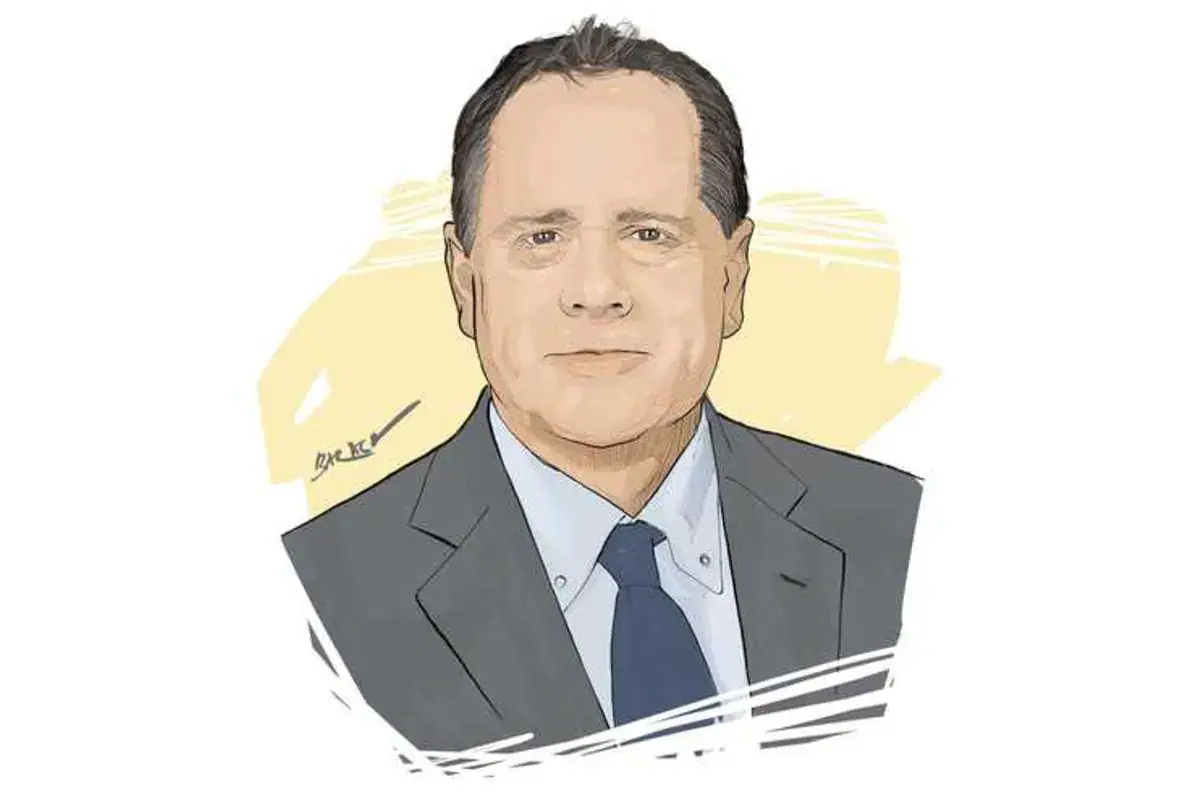
The Kenyan government recently awarded a tender to US-based Frontier Minerals Consortium to develop the Mrima Hills rare earth and niobium deposits in Kwale County. The deposits have an estimated value of Sh8 trillion, but their commercial viability and development costs remain unestablished. Bradley Barnett, managing member of Frontier Minerals LLC, discussed the project's next steps, regulatory approvals, financing, and plans for local processing and refining.
Barnett responded to concerns about the tender process, stating that the Kenyan government established a complaints mechanism for bidders. He emphasized that the process helps determine whether a company can deliver meaningful results. The government convened a panel of stakeholders, including courts, which deemed Frontier Minerals' submission admissible. Barnett believes the tender process is essential in ensuring responsible project execution.
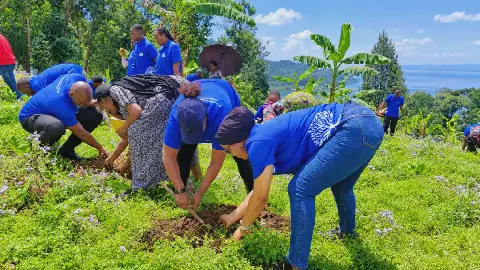
Community engagement and environmental assessments are crucial parts of the mining project. Barnett stressed the importance of getting to know local communities, understanding their concerns, and communicating openly. The company plans to conduct baseline studies with the community to establish current environmental, social, and economic conditions. This will help drive social and economic development in Kwale County and across Kenya.
A feasibility study will determine the project's scale, environmental management measures, and community development agreement. The study will also inform the processing and refining of rare earths and niobium, which require extensive metallurgical testing. Barnett highlighted the expertise of the technical team, including two principals with over 20 patents in metallurgy, hydrometallurgy, and mineral processing.
Barnett addressed concerns about foreign mining investments not leaving local workers with the skills and technology to sustain operations. He committed to having a 76 percent Kenyan workforce within three years and increasing that to 95 percent within five years. The company aims to equip local workers with technical and professional skills to take over operations and management.
Previous estimates put the in-situ value of the Mrima Hills deposits at Sh8 trillion, but Barnett cautioned that this figure should not be regarded as the expected project value. He explained that the actual economic value of a mining project differs from the in-situ value of minerals in the ground. The feasibility study will establish the project's economic benefits, including royalties, taxes, and community development programs.
The Kenyan government will participate financially in the project, receiving a 10 percent stake and royalties on rare earths and niobium. The feasibility study will determine which products can be marketed, potentially including phosphate as a by-product. Barnett emphasized that the project will comply with existing laws and regulations.
Key points
- The Mrima Hills project has an estimated value of Sh8 trillion, but its commercial viability and development costs remain unestablished.
- Frontier Minerals plans to have a 76 percent Kenyan workforce within three years and 95 percent within five years.
- The Kenyan government will receive a 10 percent stake in the project and royalties on rare earths and niobium.
Reporting sources
- Bradley Barnett: Kenyans should not pop up champagne yet on Mrima's Sh8trn valuation · Business Daily Africa