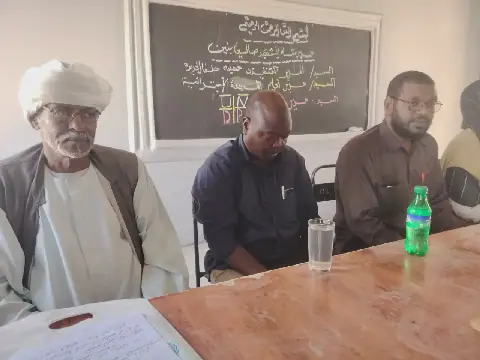
As Kenya approaches the 2027 General Election, women human rights defenders are raising concerns over increasing political violence, intimidation, and economic barriers that threaten women's participation in leadership. At the Women's Leadership, Democracy and Resilience Summit 2026 in Nairobi, women from 25 Kenyan counties and 10 African countries called for stronger protection mechanisms, economic empowerment, and accountability to safeguard women's democratic rights. The summit provided an opportunity to reflect on lessons from other African countries as Kenya prepares for another electoral cycle.
Representing Chief Justice Martha Koome, Justice Hellen Omondi stated that Kenya's democratic gains must be protected by ensuring women can exercise their constitutional rights without fear of violence or retaliation. The Constitution of Kenya 2010 guarantees equality, human dignity, public participation, and accountable leadership. However, these protections have yet to translate into equal opportunities and safety for women. Omondi warned that democracy depends on citizens who exercise their freedoms, demand accountability, challenge injustice, and insist that public power must serve the people.
Omondi raised concerns over the excessive use of force during demonstrations, unlawful killings, abductions, arbitrary arrests, and intimidation of human rights defenders. She reminded security agencies that Article 37 of the Constitution protects the right to peacefully assemble, demonstrate, picket, and present petitions. Women defenders face additional risks, including sexualized threats, online harassment, social stigma, and reprisals against their families. Omondi emphasized that women human rights defenders are indispensable actors in Kenya's constitutional democracy.
The Judiciary has operationalized 13 specialized Gender Justice Courts to improve access to justice for survivors of gender-based violence. These courts aim to reduce case delays, minimize secondary victimization, and improve survivors' access to justice. The Judiciary's Social Transformation through Access to Justice (STAJ) blueprint seeks to make justice more accessible, efficient, and people-centered. However, poverty, distance, fear of retaliation, inadequate legal representation, and trauma continue to prevent many women from pursuing justice.
The Executive Director of the Women Human Rights Defenders Hub, Salome Nduta, stated that financial constraints remain a major obstacle for young women seeking elective positions. The Hub's livelihoods program supports young women starting businesses and those already running enterprises through capacity building and business linkages. The initiative aims to help women build financial independence before venturing into politics. Nduta emphasized that women in totality are not economically empowered.
Kenya's constitutional commitment to gender equality remains largely unfulfilled, despite gains in women's political representation. The 2025 Economic Survey figures show that women held 82 of 346 National Assembly seats, representing 23.7 percent. In the Senate, women occupied 21 of 67 seats, representing 31.3 percent. UN Women reported that women accounted for only 12.18 percent of the 16,100 candidates cleared to contest the 2022 General Election. These figures underline the need to address financial barriers, political party discrimination, and violence against women in elections.
As Kenya approaches the 2027 elections, participants called for stronger accountability mechanisms to protect women human rights defenders and aspiring leaders. The Judiciary is preparing through judicial training and improved electoral dispute resolution processes to ensure disputes are addressed lawfully. However, protecting women's participation requires more than court interventions. Political parties must enforce internal safeguards against harassment, security agencies must investigate attacks, and electoral institutions must ensure women can campaign freely. Economic empowerment programs, access to campaign financing, digital safety, and legal support should also be prioritized.
Key points
- Women human rights defenders in Kenya face growing political hostility, intimidation, and economic barriers threatening their participation in the 2027 General Election.
- The Judiciary has operationalized 13 specialized Gender Justice Courts to improve access to justice for survivors of gender-based violence.
- Kenya's constitutional commitment to gender equality remains largely unfulfilled, despite gains in women's political representation.
Reporting sources
- Women Demand Protection Ahead of 2027 Elections · ghettoradio.co.ke