A survey conducted by the Elimu Bora Working Group (EBWG) has found that Kenyan parents are selling assets and borrowing money to meet illegal charges imposed by public secondary schools. The survey revealed that 98 per cent of households either paid an illegal levy in 2025, expected to pay one in 2026, or expected to pay more than the gazetted school fees.
The financial strain is forcing families to make difficult choices, with 61.6 per cent of households saying the extra levies are difficult or impossible to afford. According to the EBWG, nearly 37 per cent of households reported borrowing money or selling assets very often to meet these illegal costs.
The most common charges imposed by schools were remedial tuition and motivation fees, affecting 49.2 per cent of households at a median cost of Sh5,000. Development levies affected 32.2 per cent of households, also at a median cost of Sh5,000, although some families reported being charged between Sh50,000 and Sh60,000.
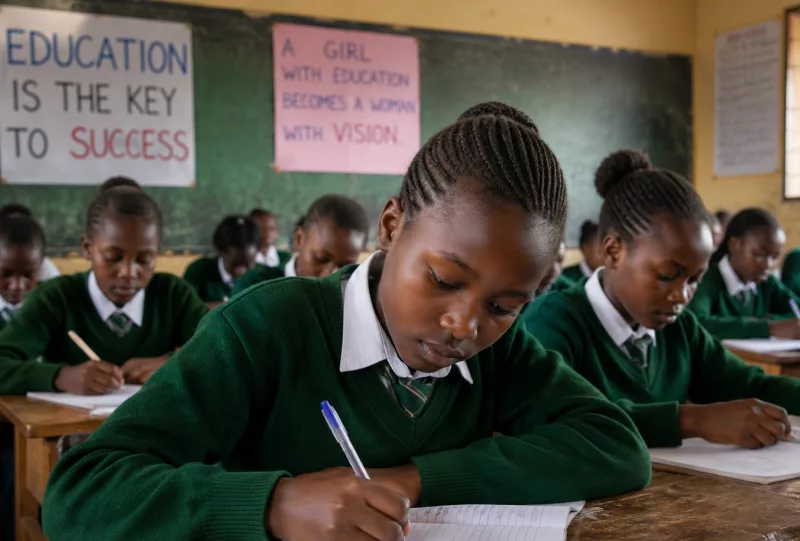
The consequences of non-payment are severe, with 45.9 per cent of learners surveyed occasionally sent home or barred from class, and 17.5 per cent reporting experiencing this very often. The EBWG noted that when families cannot pay, children are kept out of school, and such practices can obstruct access to higher education and employment after a learner has completed secondary school.
The survey found that day-school learners bore the brunt of the effects, with 64.9 per cent sent home or barred from class, compared with 40.5 per cent in boarding schools. Among day-school learners, 60.6 per cent missed school days because of levies, 51.1 per cent missed examinations or tests, and 48.9 per cent lost motivation to attend school.
The poorest households bore the heaviest impact, with 61.3 per cent of learners from households earning less than Sh10,000 a month occasionally sent home, compared with 23.1 per cent among households earning between Sh30,001 and Sh60,000. The report also found that boarding-school entry costs can substantially exceed official limits, with parents expected to pay an average of Sh62,715 per child in 2026.
The EBWG is calling for a national audit of school fee structures, sanctions against schools imposing unauthorised charges, and reimbursement of parents who have paid illegal levies. The group also recommends that schools publish annual budgets, bank all levies through official school accounts, and issue receipts for every payment.
Key points
- Nearly two in three Kenyan households struggle to pay illegal school fees imposed by public secondary schools.
- The financial strain is forcing families to borrow money or sell assets to meet the illegal costs.
- The consequences of non-payment can obstruct access to higher education and employment.