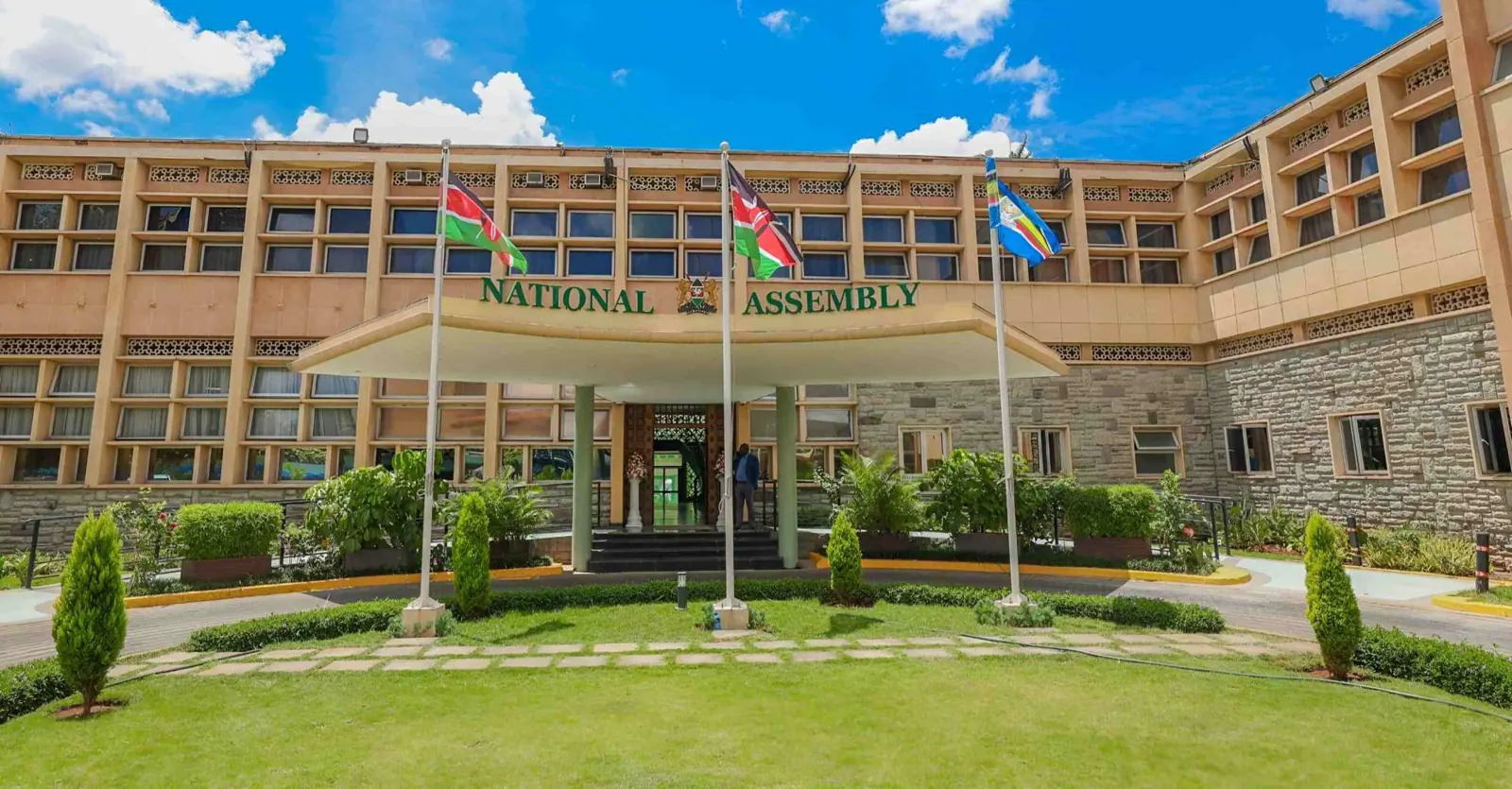
Members of the Kenyan Parliament's Departmental Committee on Administration and Internal Security have expressed concerns over the proposed National Forensic Science Bill, 2026. The bill seeks to establish a new regulatory board and laboratory, sparking debate over its cost, staffing arrangements, and necessity. Homa Bay Town MP Peter Kaluma questioned the need for a new board, suggesting that the Government Chemist could be given an independent structure with a defined mandate and accountability framework instead.
The proposed National Forensic Science Regulatory Board would register and license forensic service providers, set standards for the sector, and oversee private laboratories. However, Kaluma and other lawmakers are skeptical about the board's necessity, citing the potential for increased public funding and the growing number of State agencies. Kaluma also raised concerns about the recruitment of highly specialized personnel, suggesting that an institution dealing with forensic science would be better placed to identify the qualifications and experience required for technical positions.
Deputy Chief State Counsel Kepha Onyiso acknowledged the concerns, stating that the recruitment arrangement could require further discussion. Onyiso noted that the question of recruitment authority had previously been taken to court in a dispute involving the Public Service Commission and the Attorney-General's office. The State Department for Internal Security and National Administration is ready to continue discussions with the committee on the proposed governance model.
Committee chairman Gabriel Tongoyo sought details on the revenue generated by the Government Chemist, currently about Sh16 million a year, and its budget of approximately Sh490 million. Tongoyo wanted to know how much the department could raise under the proposed system and whether it could help lower reliance on the Exchequer. Government Chemist William Kailo Munyoki told the committee that collections could be much higher if charges were imposed across all services.
Munyoki explained that the proposed structure would help resolve confusion over the use of the term Government Chemist, which can refer either to the department or the person heading the office. Existing Government Chemist employees would be transferred to the proposed National Forensic Science Laboratory under the new arrangement but would continue serving under the Public Service Commission. This would help contain the financial effect of the new law.
The National Forensic Science Laboratory would carry out forensic analysis under the Government Chemist, while the proposed regulatory board would provide advice, regulate, register, and license forensic science providers. Munyoki said one of the main purposes of the Bill was to draw a clear line between regulation of forensic services and the actual laboratory work.
Teso North MP Edward Oku Kaunya urged officials to establish the full budgetary effect of the Bill before the legislation is completed. The committee will continue to discuss the proposed governance model and financial implications of the Bill.
Key points
- The proposed National Forensic Science Bill, 2026, has sparked debate over its cost, staffing arrangements, and necessity.
- Lawmakers are questioning the need for a new regulatory board, suggesting that the Government Chemist could be given an independent structure instead.
- The bill seeks to establish a new regulatory board and laboratory, with the aim of improving forensic services in Kenya.