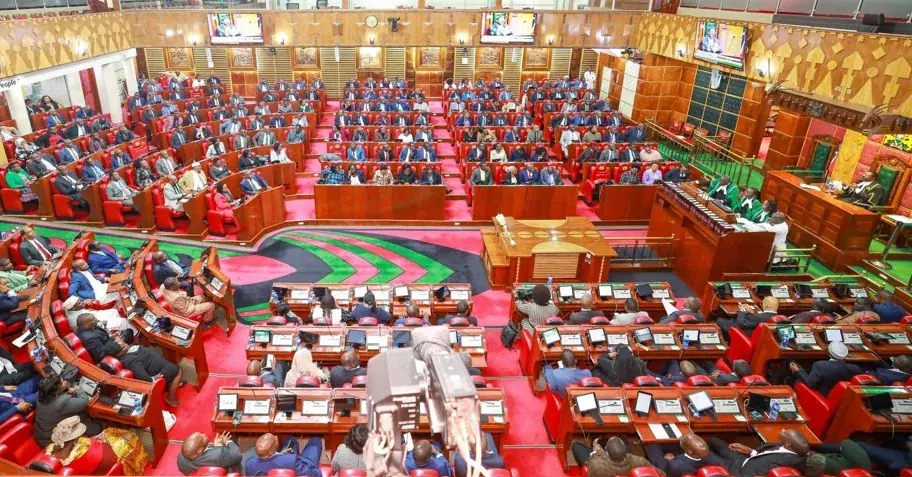
Kenyan Members of Parliament have called for an investigation into the selection of 106,000 village elders who are receiving a monthly stipend of Sh3,000. The legislators claim that relatives of local officials were favored in the recruitment process, while long-serving community representatives were excluded. They have asked Interior Cabinet Secretary Kipchumba Murkomen to provide a full list of beneficiaries to verify whether the appointed elders are genuine volunteers.
The concerns over the selection process surfaced three months after the stipend program began. MPs allege that county commissioners, chiefs, and assistant chiefs steered the selection toward people they knew. Uasin Gishu Woman Representative Gladys Boss highlighted a specific case in Langas Ward where an elderly woman was omitted from the register due to a poor relationship with the county commissioner. Many volunteers who had previously performed elder duties were replaced when the government introduced payments.
Kajiado South MP Samuel Parashina questioned the criteria used for selection, urging the cabinet secretary to table the approved guidelines and investigate whether favoritism influenced the process. Igembe North MP Julius Taitumu echoed the allegations, accusing chiefs and assistant chiefs of prioritizing relatives after learning the positions would attract payments. The MPs' concerns have sparked a debate over the transparency and fairness of the selection process.
During Question Time, Murkomen acknowledged that the stipend had made the role of village elder "fashionable" and that competition for the positions was expected. He said the ministry would post the records of all village elders at county commissioners' offices nationwide, allowing the public to verify who is receiving payments. This move aims to increase transparency and accountability in the selection process.
According to Murkomen, Safaricom's M-Pay services had processed 96,566 of the 106,000 beneficiary records via the Tunza Vijji wallet. The remaining records were being reconciled due to mismatches in names, ID numbers, and phone numbers. The cabinet secretary assured that the data update and reconciliation would be completed within a month, after which any outstanding elders would receive their stipends in arrears.
The stipend program follows President William Ruto's August launch of the Policy on National Government Village Administration. This policy formally recognized 106,000 National Government Village Administrative Elders as official administrators of village units. The program aims to support village elders in their roles, but the allegations of favoritism have raised concerns over its implementation.
The selection process and payment of stipends to village elders are critical components of the National Government Village Administration policy. As the government moves to address the concerns raised by MPs, it is essential to ensure that the selection process is transparent, fair, and free from favoritism. The public's access to the list of beneficiaries will help to promote accountability and transparency in the program.
Key points
- MPs have questioned the selection of 106,000 village elders, citing allegations of favoritism toward relatives of local officials.
- The government has begun posting records of village elders at county commissioners' offices to increase transparency.
- The stipend program aims to support village elders, but concerns over its implementation have sparked a debate over transparency and fairness.