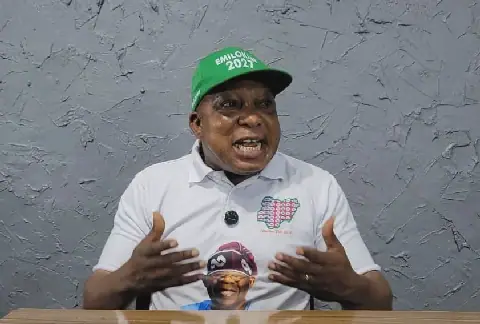
Kenyan Member of Parliament Didmus Barasa has issued a two-hour ultimatum to Stephen Mutoro, the head of the Consumers Federation of Kenya (COFEK), to remove and retract social media posts that Barasa claims are defamatory. The posts in question relate to Barasa's university education. Barasa's lawyers, led by Danstan Omari, delivered a demand letter to Mutoro on September 21, 2026, accusing him of publishing false and defamatory statements against the MP between September 14 and September 21.
The demand letter alleges that Mutoro's publications were intended to lower Barasa's standing in society. Barasa's lawyers claim that the posts have met the legal elements required to pursue a defamation claim. If Mutoro fails to comply within the two-hour deadline, Barasa's lawyers have warned that they will initiate legal proceedings against him. The letter does not indicate whether court proceedings have already been filed.
Barasa is seeking KSh100 million in damages over the alleged publications. His lawyers argue that the posts have caused harm to his reputation and are demanding immediate action to rectify the situation. The allegations contained in the demand letter are claims by Barasa and his lawyers and have not been tested before a court.
The controversy surrounding Barasa's university education has sparked a heated debate on social media. While some have questioned the authenticity of Barasa's academic credentials, others have come to his defense, arguing that the allegations are baseless and motivated by malice. COFEK has not publicly commented on the matter.
Barasa's threat to sue Mutoro is not an isolated incident. In recent years, Kenyan politicians have increasingly turned to the courts to settle disputes and protect their reputations. The use of defamation laws has been a contentious issue in Kenya, with some arguing that it is used to silence critics and stifle free speech.
The case has sparked concerns about the role of social media in Kenyan politics. With the increasing use of social media platforms to disseminate information and shape public opinion, politicians are becoming more vulnerable to online attacks and reputational damage. The outcome of this case could have significant implications for the regulation of online content in Kenya.
As the deadline for Mutoro to respond to Barasa's demands approaches, attention is focused on the potential consequences of the case. If Barasa proceeds with the lawsuit, it could set a precedent for future defamation cases in Kenya. The case highlights the complexities of balancing free speech with the need to protect individuals' reputations in the digital age.
Key points
- Barasa demands KSh100 million in damages over alleged defamatory posts
- COFEK boss Stephen Mutoro has been given a two-hour ultimatum to remove and retract the posts
- The case has sparked concerns about the regulation of online content in Kenya