A recent study conducted at Pumwani Maternity Hospital in Nairobi, Kenya's only facility with a human milk bank, has revealed that many Kenyan mothers are hesitant to use donated breast milk for their babies. The primary concern is the risk of their babies contracting diseases such as HIV. Additionally, cultural discomfort with the idea of their baby consuming a body fluid from a stranger also plays a significant role in their reluctance.
The study, which involved 21 pregnant women at the hospital's antenatal clinic, found that more than half of the participants would be willing to donate their own breast milk if they had a surplus. However, when it came to accepting donated milk for their own babies, the mood shifted. About a third of the women refused outright, while most of the others were only willing to consider it under strict conditions, such as if they were extremely sick or had no milk of their own.
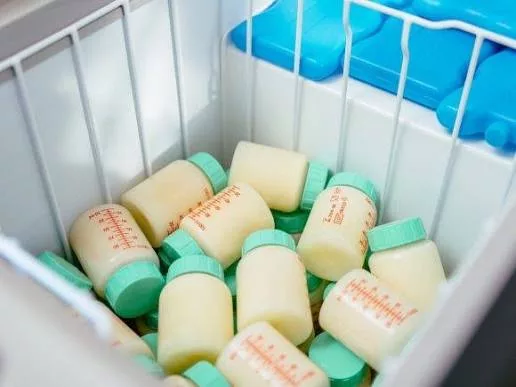
The human milk donated through the Pumwani milk bank undergoes rigorous screening and processing to ensure safety and quality before being given to vulnerable newborns. Despite this, many mothers remain skeptical. Some expressed concerns about trusting the donor and the milk, while others simply saw it as unacceptable. The study's findings highlight the need for education and awareness about the safety and benefits of donated breast milk.
The study also revealed that many of the mothers had never heard of human milk banking or had limited knowledge about it. In fact, over half had never heard of a woman donating milk for another baby, and about two-thirds were unaware of the milk bank at Pumwani Maternity Hospital. This lack of awareness and understanding contributes to the hesitation and skepticism among mothers.
According to the study's lead author, Jane Wangui, healthcare workers play a crucial role in addressing these concerns and promoting acceptance of donated breast milk. Wangui suggests that educating mothers about the milk bank during antenatal clinic visits could help change attitudes and increase acceptance. By involving healthcare workers, relatives, community health workers, and peers, it is possible to promote acceptance and ensure community support for the human milk banking program.
The Pumwani Human Milk Bank, established in 2019, has provided donated breast milk to 1,887 newborns as of August 31, 2025. The bank supports premature and sick infants who are unable to breastfeed and has also extended its services to other facilities. Since its inception, 2,598 mothers have donated to the bank. The donated milk primarily goes to premature, sick, abandoned, and orphaned newborns who are in need of this life-saving resource.
The study's findings have significant implications for the implementation of human milk banking programs in Kenya. Understanding and addressing the barriers to using human milk banking is crucial for the successful implementation of the program, as its use is demand-driven. By promoting awareness, education, and community support, it is possible to increase acceptance and ensure that more newborns benefit from this vital resource.
Key points
- Many Kenyan mothers are hesitant to use donated breast milk due to fears of HIV transmission and cultural discomfort.
- Healthcare workers play a crucial role in promoting acceptance of donated breast milk and addressing concerns among mothers.
- Education and awareness about the safety and benefits of donated breast milk are essential for increasing acceptance and ensuring community support.