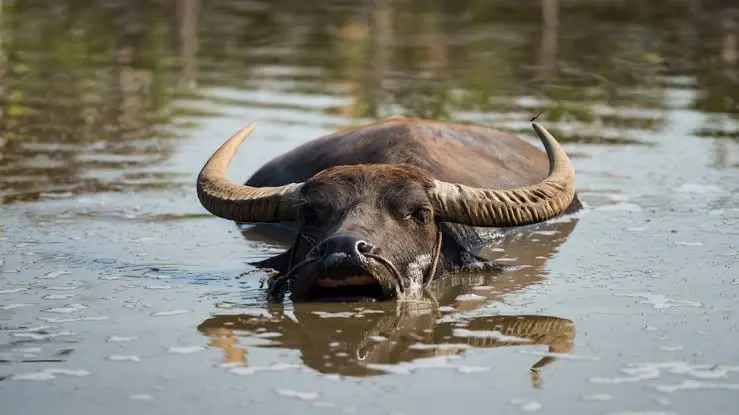
The Kenyan government has officially recognized the domesticated water buffalo as a food animal, a move that has sparked intense public debate. Agriculture and Livestock Development Cabinet Secretary Mutahi Kagwe issued Gazette Notice No. 977 on January 31, 2025, invoking section 2 of the Meat Control Act to grant the domesticated water buffalo (Bubalus bubalis) this status. This notice has resurfaced in public discourse, with many questioning the necessity, cost-effectiveness, and environmental implications of the move.
Critics are demanding clarification on the government's decision, with social-media users such as Kinyua Muriithi asking whether the government assessed the species' costs and ecological effects, and if alternative solutions were considered. Others, including Abraham Karu824, have questioned the priority of the declaration amid broader national challenges, suggesting the move appears disconnected from pressing food-security concerns. The debate has also highlighted Kenya's existing livestock base, including cattle, goats, and other species, raising doubts about the need for an additional meat source.
Despite the legal classification granted in 2025, Kenya currently has no domesticated water buffalo herds, unlike in South-Asian agriculture where they are common for milk and meat. Experts caution that the advantages of introducing water buffalo must be weighed against water requirements, disease-control measures, and the suitability of Kenya's dry regions for buffalo rearing. Consumer acceptance is another uncertainty, as most Kenyans are accustomed to beef and cow's milk rather than buffalo products.
The Gazette notice itself does not outline projected costs, environmental assessments, or expected economic gains, leaving policymakers without a publicly disclosed implementation framework. This lack of information has contributed to the public's skepticism about the move. As the debate continues, stakeholders are calling for more transparency and data-driven decision-making.
The introduction of water buffalo as a food animal could potentially boost Kenya's livestock sector, but it also poses significant challenges. Water buffalo require large amounts of water and land, which could strain Kenya's already limited resources. Moreover, the risk of disease transmission to other livestock species is a concern that needs to be addressed.
To mitigate these risks, the government may need to invest in infrastructure and capacity building, including water management systems and veterinary services. Additionally, education and awareness campaigns may be necessary to promote consumer acceptance of buffalo products. The success of this initiative will depend on careful planning and implementation.
As the Kenyan government moves forward with its plans to introduce water buffalo as a food animal, it will be crucial to balance the potential benefits with the potential risks and challenges. The government must engage with stakeholders, including farmers, consumers, and environmental experts, to ensure that the introduction of water buffalo is done in a sustainable and responsible manner.
Key points
- The Kenyan government has recognized the domesticated water buffalo as a food animal, sparking debate on the move's necessity, cost-effectiveness, and environmental implications.
- The introduction of water buffalo as a food animal poses significant challenges, including water requirements, disease-control measures, and consumer acceptance.
- The success of this initiative will depend on careful planning, infrastructure investment, and stakeholder engagement.