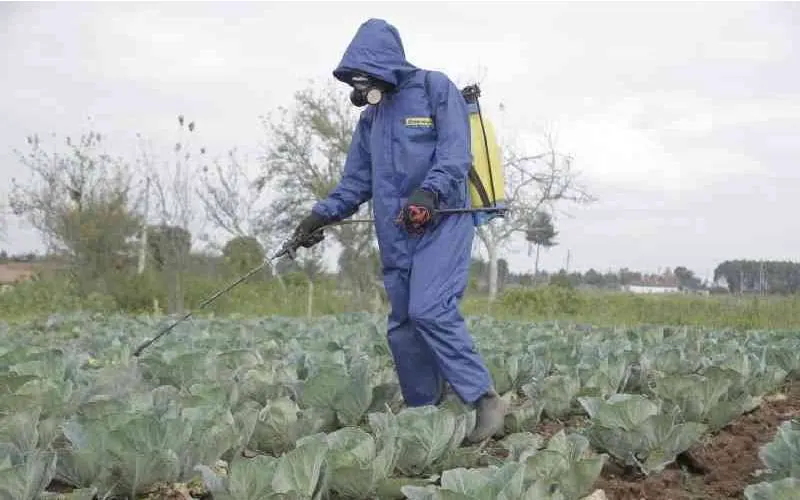
Kenyan farmers are being warned to be vigilant when using pesticides on their crops due to the rising threat of counterfeit products. According to aak Grow CEO Joel Mutai, mechanisms should be put in place and surveillance intensified to identify counterfeit pesticides. Climate change has led to increased growth of weevils, which destroy crops on farms, making the use of pesticides crucial. However, the use of counterfeit pesticides poses serious health and safety risks to farmers, consumers, and the environment.
The risk of fake pesticides to consumers includes residues in food, water, and soil, pollution, misuse of the products by farmers, biodiversity loss, and reduced food productivity. Kenya Editors Guild (KEG) CEO Linda Bach has suggested that Kenya should borrow a leaf from China, which has adopted modern farming technologies, to ensure maximum agricultural production. This comes as the country continues to grapple with the challenge of counterfeit pesticides.
Agriculture contributes 22.5 per cent to Kenya's Gross Domestic Product (GDP) and employs 70 per cent of Kenyans in rural areas. Ben Ngige of aak Grow said that his organization reaches many farmers, trains them, and supplies them with specialists to spray for them at a fee to ensure quality production. aak Grow also educates farmers on the use of pesticides to ensure quality production and inculcate behavioral change.
Despite intensified enforcement by the Pest Control Products Board (PCPB), the continued production and sale of expired, counterfeit, and unregistered pesticides remains a major challenge in Kenya. A new performance audit by Auditor-General Nancy Gathungu found that while inspections of pesticide dealers increased significantly over the last four years, illegal pest control products continued to flood the market.
The audit was commissioned following persistent concerns raised by the media and Parliament over the widespread use of hazardous and banned pesticides in the country. The use of counterfeit pesticides has serious health and safety implications for farmers, consumers, and the environment. The government has been urged to take action to address the issue.
Collaboration between the private and public sectors is crucial in the war against counterfeit pesticides. Joel Mutai emphasized the need for collaboration to ensure that farmers have access to quality pesticides. The Kenya Editors Guild has also called for increased surveillance and enforcement to curb the sale of counterfeit pesticides.
The Standard Group Plc, a leading multi-media house in Kenya, has emphasized the need for credible journalism in addressing the issue of counterfeit pesticides. The organization has invested in bringing accurate, factual, and impactful stories to the public. The fight against counterfeit pesticides requires a multi-stakeholder approach to ensure that farmers have access to quality products and that the environment is protected.
Key points
- Counterfeit pesticides pose serious health and safety risks to farmers, consumers, and the environment in Kenya.
- The government has been urged to take action to address the issue of counterfeit pesticides.
- Collaboration between the private and public sectors is crucial in the war against counterfeit pesticides.