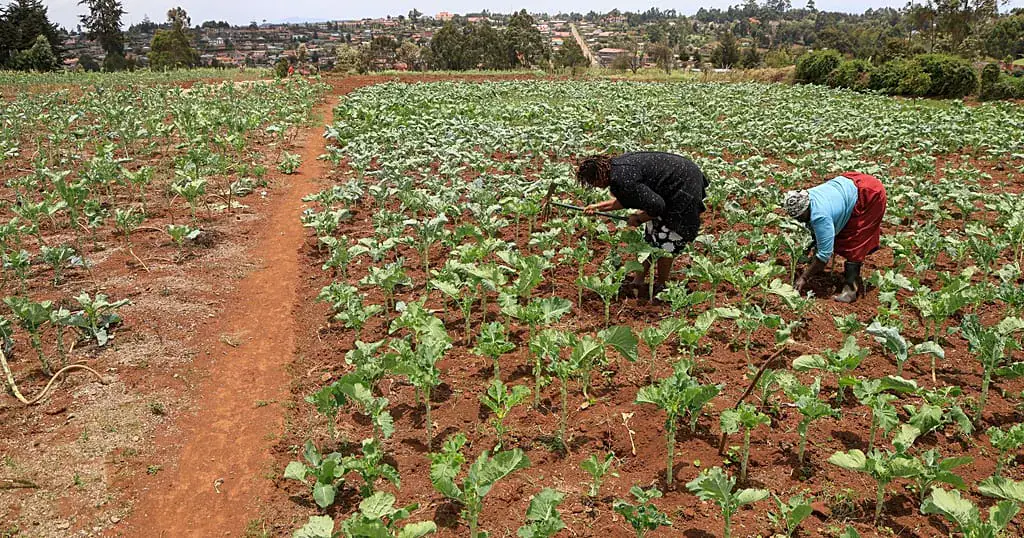
Farmers in central Kenya are preparing for the upcoming rainy season as concerns grow over heavier-than-usual downpours linked to El Niño. In Limuru, Kiambu County, farmer Elizabeth Itotia is taking measures to protect her five-acre farm from soil erosion. She is digging trenches to control water runoff, a move aimed at preventing a repeat of the losses she suffered two years ago when heavy rains washed away much of her farm's fertile topsoil.
Itotia's experience is not unique. Moses Muhoro, a coffee farmer in Karatina, Nyeri County, also suffered significant losses in 2024 when floods devastated his farm. The loss of fertile topsoil left his land less productive, resulting in a sharp decline in coffee yields. In the following year, his harvest dropped to just 30 percent of the previous year's output. Muhoro is now preparing for the upcoming rains, aware of the potential risks to his farm's productivity.
El Niño, associated with warmer-than-average sea surface temperatures in the Pacific Ocean, can intensify rainfall across East Africa. Kenya's Meteorological Department is monitoring the situation and issuing updates as necessary. The department's efforts aim to provide farmers with timely information to help them prepare for the potential impacts of El Niño.
For farmers like Itotia and Muhoro, protecting the soil is crucial not only to safeguard upcoming harvests but also to preserve the long-term productivity of their land. Soil erosion can have long-lasting effects on farm productivity, making it essential for farmers to take proactive measures to prevent it. By taking steps to control water runoff and reduce soil erosion, farmers can minimize the risks associated with heavy rains.
The Kenyan government's efforts to support farmers are ongoing. The Meteorological Department's monitoring of El Niño and provision of updates are critical in helping farmers prepare for the potential impacts of the weather phenomenon. Additionally, farmers are being encouraged to adopt best practices in soil conservation and water management to minimize the risks associated with heavy rains.
The impacts of El Niño can be far-reaching, affecting not only farmers but also communities at large. In 2024, floods caused significant devastation in Kenya, displacing thousands of people and causing widespread damage to infrastructure. As the country prepares for the upcoming rains, there is a growing recognition of the need for proactive measures to mitigate the impacts of El Niño.
As the rainy season approaches, farmers in Kenya are working to protect their land and crops from the potential impacts of El Niño. Through their efforts, they aim to minimize the risks associated with heavy rains and ensure the long-term productivity of their land. By adopting best practices in soil conservation and water management, farmers can reduce the risks associated with El Niño and ensure a more sustainable future for their farms.
Key points
- Kenyan farmers are taking proactive measures to protect their land and crops ahead of El Niño-linked heavy rains.