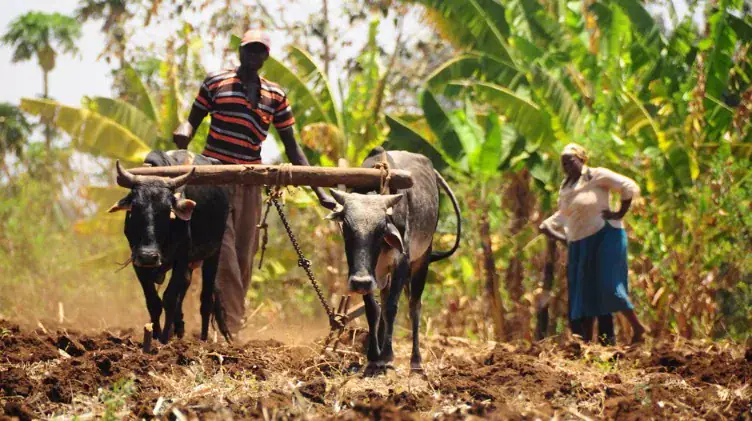
A recent study analyzing data from 2000 to 2019 has found that farmer protests in Kenya's agricultural regions tend to peak two to three months after harvest. The research, conducted by a PhD economics student and behavioural economist, used satellite-derived greenness data to track crop development and matched it with protest locations from the Armed Conflict Location Events Dataset. This approach allowed the authors to link ward-level harvest dates with protest events.
The study revealed that unrest in Kenya's agrarian regions increases significantly during the lean months between harvest and sowing. This period is marked by financial stress as households deplete stored harvest, face lean food supplies, and must buy seeds and fertilizer before new income arrives. As a result, protests tend to peak around sowing, the start of the next growing season. The research excluded election-related protest waves to isolate the effect of the agricultural cycle.
According to the study, about 7% of all protests recorded in Kenya over the past two decades occurred in agrarian settings. This underscores the relevance of seasonal dynamics in understanding protest patterns in the country. The research also found that during the harvest itself, protest activity is lower because farmers are busy in the fields and have fresh income, reducing both opportunity costs of time and grievance intensity.
The study's findings have important policy implications. The researchers suggest that early-warning systems could incorporate locally specific agricultural calendars derived from remote sensing to anticipate unrest periods at low cost. This approach could enable authorities to take proactive measures to mitigate potential conflicts.
Scheduling social protection, food assistance, and public-works programmes for the lean months could alleviate household stress and reduce the likelihood of protests. By understanding the seasonal pattern of protests, policymakers can develop targeted interventions to support vulnerable communities during periods of financial stress.
The research highlights the importance of considering the agricultural cycle in understanding protest patterns in Kenya. By analyzing the timing of protests in relation to harvest and sowing cycles, the study provides new insights into the complex relationships between economic, social, and environmental factors.
Overall, the study's findings emphasize the need for policymakers to take into account the seasonal dynamics of protests in Kenya's agrarian regions. By doing so, they can develop more effective strategies to prevent and respond to conflicts, ultimately promoting stability and security in these areas.
Key points
- The study analyzed data from 2000 to 2019 to understand the relationship between harvest cycles and protest patterns in Kenya's agricultural regions.