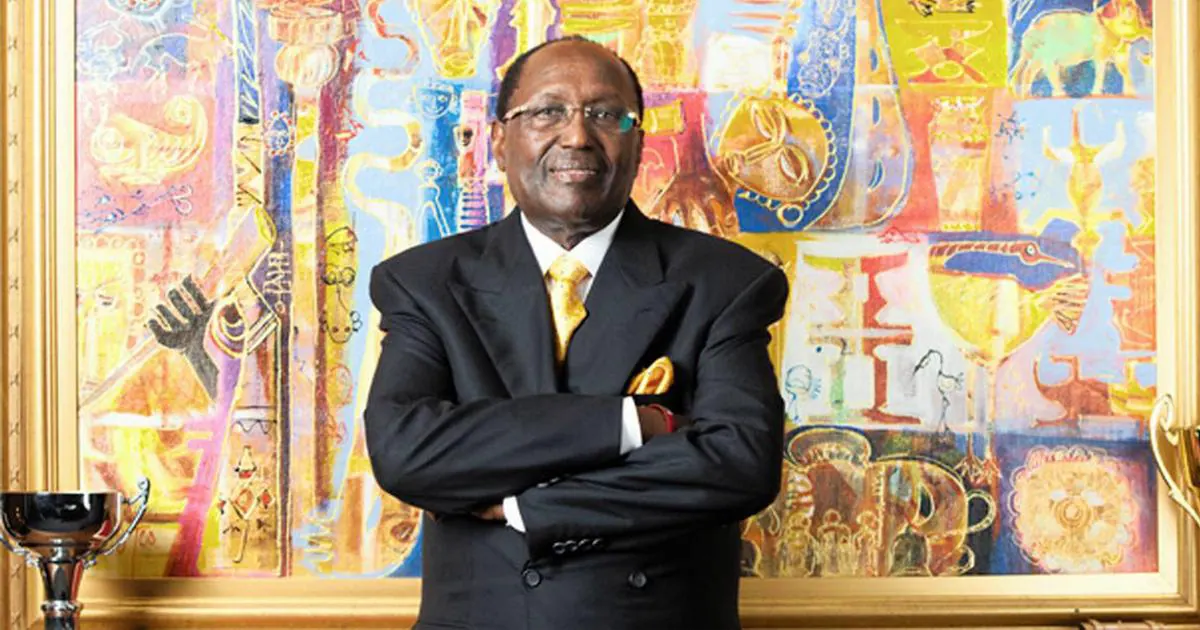
Kenyan families are rethinking how they pass on wealth, with a growing interest in family trusts. This shift is driven by the need for effective estate planning and management of assets across generations. Dr. Chris Kirubi, one of Kenya's most prominent billionaire businessmen, and Dr. Manu Chandaria, a leading industrialist and philanthropist, are examples of individuals who have built lasting business legacies. As families seek to preserve their wealth, they are exploring alternatives to traditional wills.
In Kenya, a will remains a crucial document for distributing a person's estate after death. The Law of Succession Act allows an adult of sound mind to dispose of their free property by will, subject to legal protections for dependants. However, a will has its limitations, particularly when it comes to managing assets over time. A family trust, on the other hand, provides a structure for managing property and distributing benefits according to the trust deed. This makes trusts an attractive option for families seeking to manage their assets effectively.
A family trust is a living or testamentary trust created to plan or manage a person's estate, preserve or create wealth for generations, and operate as a non-trading entity. The person creating the trust, known as the settlor, can also be a beneficiary. Trusts can be created during the settlor's lifetime, allowing for the management of wealth before death. This flexibility is a significant advantage over traditional wills. Kenyan law recognises living family trusts, enabling families to plan for the future.
The Kenyan government has introduced changes to the trust system, including the 2021 amendments to the Trustees (Perpetual Succession) Act. These amendments formally introduced the statutory family-trust framework, allowing registered trustees to hold property through a corporate structure with perpetual succession. In 2024, responsibility for incorporating and registering trusts was transferred to the Business Registration Service. This change has streamlined the process, making it easier for families to establish trusts.
The number of trusts registered in Kenya has increased significantly, with 601 trusts registered in 2025/26, up from 388 the previous year. This growth indicates a rising interest in trusts as a tool for estate planning. Wealth advisers are increasingly presenting trusts as a means of preserving family businesses, property, and investments across generations. Trusts offer a way to manage assets according to specific rules, ensuring continuity and effective management.
There are potential tax advantages to using trusts, but they are not "tax-free". Kenya's tax law provides specific exemptions involving registered family trusts, including certain transfers of property and capital gains. However, the Finance Act 2026 clarified the treatment of trust income, ensuring that beneficiaries are not taxed again where the relevant tax has already been paid. Families must consider the tax implications when establishing a trust.
For many families, the choice between a trust and a will is not a straightforward one. A trust can be used to structure assets that require long-term management, while a will can deal with property outside the trust and other succession matters. Kenyan estate-planning practitioners increasingly view trusts and wills as complementary tools rather than direct substitutes. By using both, families can ensure effective estate planning and management of their assets.
Key points
- Kenyan families are turning to family trusts as a way to manage and transfer wealth across generations.
- Trusts offer a structure for managing property and distributing benefits according to the trust deed.
- The Kenyan government has introduced changes to the trust system, including the 2021 amendments to the Trustees (Perpetual Succession) Act.