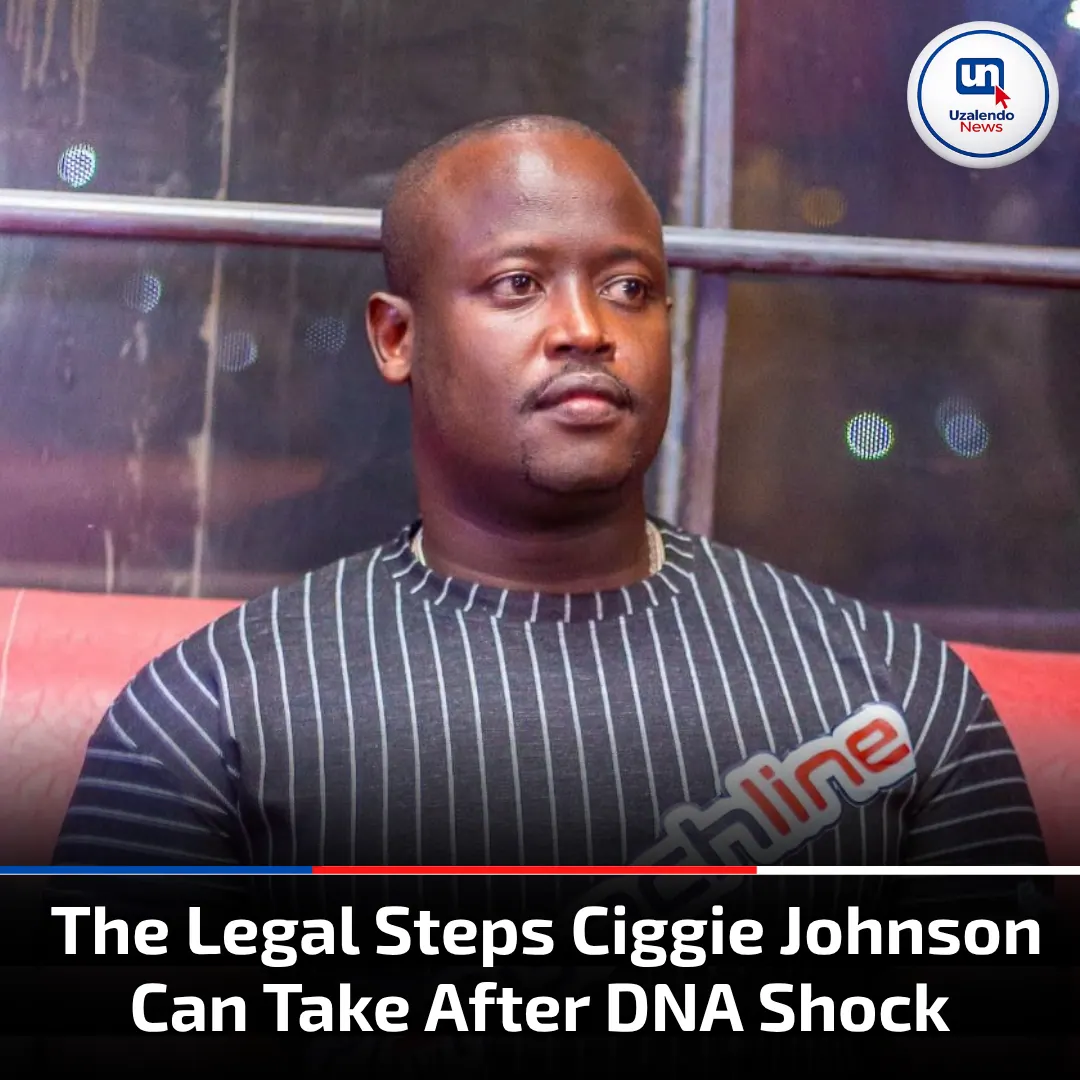
Kenyan entertainer Ciggie Johnson is facing a paternity crisis after a DNA test revealed he is not the biological father of a 12-year-old girl he has been raising. A video of Johnson learning the news has gone viral, sparking public debate about his legal options. According to Kenya Today Newsroom, Johnson may pursue a civil tort claim, terminate parental responsibility, and have his name expunged from the child's birth certificate.
Kenyan law does not have a specific paternity-fraud act, but men can rely on the Children Act, tort law, and constitutional provisions to protect their finances and reputation. The primary remedy is a civil lawsuit for fraudulent misrepresentation – the tort of deceit – which can recover special damages for expenses and general damages for emotional distress. Johnson's case has garnered significant attention, with many questioning the legal implications of paternity fraud.
To pursue a civil lawsuit, Johnson would need to compile extensive documentation, including bank statements, tenancy agreements, and M-Pay receipts covering the past 12 years, to claim a shilling-for-shilling refund of costs incurred. High Court precedent supports such claims; in SVK v RNL & NTA, the court awarded Ksh 700,000 to a husband misled about paternity, covering medical costs and mental anguish.
Under the Children Act, a man remains the legal father until a court orders otherwise, but recent rulings such as ER v MW allow termination of parental responsibility when DNA evidence conclusively excludes paternity. Johnson can also petition the High Court to direct the Registrar of Births and Deaths to remove his name from the child's birth certificate, aligning official records with the DNA result.
Article 28 of the Constitution, guaranteeing dignity, is frequently invoked in these cases to justify substantial compensation for psychological harm and social stigma. Legal experts note that while courts can order financial restitution and remove parental obligations, they cannot undo the personal memories built over a decade. Johnson's situation highlights the complexities and emotional challenges associated with paternity fraud.
Ciggie Johnson's case has sparked a national conversation about paternity rights and the need for legal reform. As he navigates the complexities of Kenyan law, Johnson's experience may have far-reaching implications for other men facing similar situations. The entertainer's decision to seek legal recourse may pave the way for future cases and potential changes to Kenya's laws and regulations surrounding paternity.
In conclusion, Ciggie Johnson's situation serves as a reminder of the importance of paternity testing and the need for clear laws and regulations surrounding paternity fraud. As Johnson seeks to terminate parental responsibility and have his name removed from the birth certificate, his case will likely continue to garner significant attention and spark ongoing debate.
Key points
- Ciggie Johnson may pursue a civil tort claim and seek to remove his name from his daughter's birth certificate after a DNA test proved he is not the father.
- Kenyan law allows men to rely on the Children Act, tort law, and constitutional provisions to protect their finances and reputation in cases of paternity fraud.
- Johnson's case highlights the complexities and emotional challenges associated with paternity fraud, and may have far-reaching implications for other men facing similar situations.