A Kenyan court has ruled that the government breached parts of the constitution in allowing the construction of a US-backed Ebola quarantine facility at a military air base in central Kenya. The facility, which has sparked deadly protests, was intended to quarantine people exposed to the Ebola virus, including US citizens. The court's decision was welcomed by residents who had opposed the facility, fearing the spread of the disease from the Democratic Republic of Congo.
The 50-bed tented facility, located inside Laikipia Air Base near the central Kenyan town of Nanyuki, was constructed without public input, a requirement under the constitution. Judge Patricia Nyaundi said the government ought to have sought public input before signing the agreement with the US for the Ebola facility. The petitioners, including the Katiba Institute, a Kenyan constitutional watchdog, argued that the government's actions were unconstitutional.
The court's ruling also ordered that any further work at the quarantine facility be stopped until the government met conditions, such as disclosing details contained in the agreement it entered into with the US government. A spokesperson for Kenya's health ministry did not immediately respond to requests for comment. A US State Department spokesperson said it was following the developments and was in communication with Kenya's government.
The US government has been working closely with Kenya to combat the ongoing Ebola outbreak. Seven American aid workers were quarantined at the Kenyan facility in July after being in Congo to help tackle Ebola. The Kenyan government has said the facility is meant to support Ebola preparedness and to isolate or quarantine people exposed to the virus as part of wider public health contingency planning.
President William Ruto said in June that he had approved the facility after US President Donald Trump asked Kenya to support it, citing decades of cooperation with Washington on health programmes. However, residents and opposition groups have expressed concerns about the facility, fearing it would spread the disease. Two people died during protests against the facility.
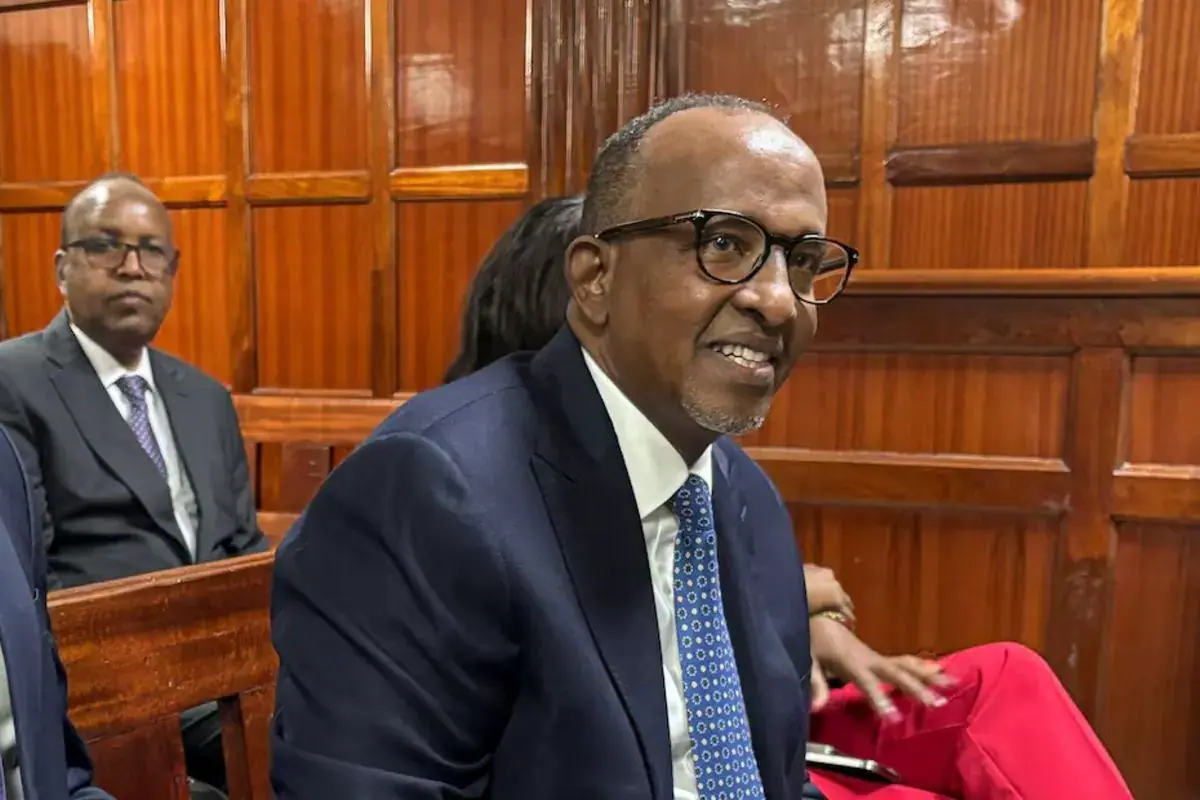
The court's decision was hailed as a win for transparency and due process by Nora Mbagathi, executive director at the Katiba Institute. Evans Munene, a 27-year-old Nanyuki resident who joined protests against the facility, said the ruling brought some vindication for those who had opposed it. Kenya's High Court had temporarily suspended the facility's construction in late May and later found Health Minister Aden Duale in contempt for failing to comply with orders halting construction.
Kenya reported its first imported case of the Bundibugyo Ebola strain in early October in a traveller who had arrived from Congo via Uganda. As of mid-November, the country had recorded two deaths and seven other cases, all of whom recovered. No new case has been reported since October 19, with a 42-day countdown to declaring the country Ebola-free starting in mid-November after its last patient was discharged.
Key points
- The Kenyan government breached the constitution by allowing construction of a US-backed Ebola quarantine facility without public input.
- The facility was intended to quarantine people exposed to the Ebola virus, including US citizens.
- The court's ruling ordered that any further work at the quarantine facility be stopped until the government met conditions, such as disclosing details contained in the agreement it entered into with the US government.