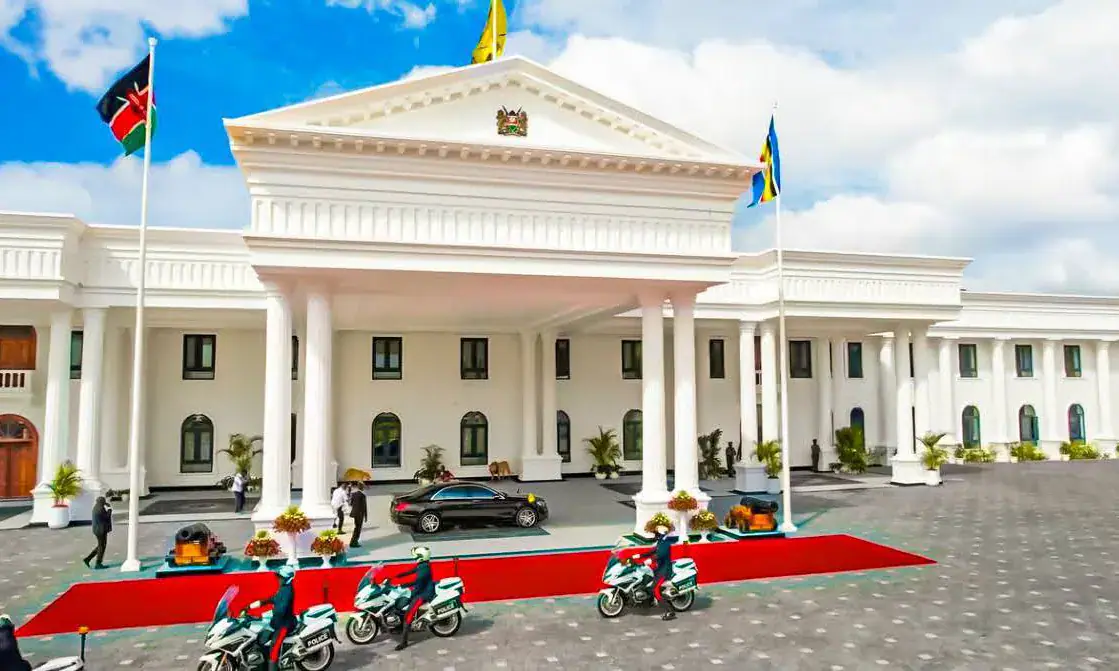
A Kenyan court has dismissed a petition filed by a group called Operation Linda Jamii that sought to allow citizens to protest outside state residences. The petition was rejected on the grounds that the applicants failed to prove how the notices declaring these areas as protected zones contravene the Constitution or any other law. The protected areas include the State House in Nairobi, Mombasa, and satellite offices in Kisumu, Sagana, Nyeri, Eldoret, Nakuru, and Kisii.
The applicants had argued that the ban on protests outside these areas contravenes the rights of citizens to assemble, demonstrate, and petition the government. They specifically cited the need to present their grievances to President William Ruto. However, the court ruled that the Protected Areas Act does not completely bar individuals from entering these zones but regulates access by requiring permission from authorized officers.
The court emphasized that access to these areas is not entirely prohibited but rather controlled. This means that citizens can still access these areas but only with the necessary authorization. The court also noted that citizens have alternative avenues to present their grievances, including through other government offices such as the Office of the President.
The court's decision was based on a thorough examination of the Protected Areas Act and its implications on the rights of citizens. The court found that the Act does not infringe on the rights of citizens to assemble and demonstrate but rather provides a framework for the regulation of such activities in protected areas.
The applicants had expressed concerns that the ban on protests outside state residences would limit their ability to express their grievances to the President. However, the court ruled that citizens can still present their grievances through other channels, including the Office of the President and other government offices.
The court's decision has significant implications for the regulation of protests and demonstrations in Kenya. It underscores the need for citizens to follow established procedures and regulations when exercising their rights to assemble and demonstrate, particularly in areas that are considered sensitive or protected.
The court's ruling is a setback for activists who had hoped to use protests outside state residences as a means of expressing their grievances. However, it also provides clarity on the regulations governing access to these areas and the alternative channels available for citizens to present their grievances.
Key points
- The court's decision was based on a thorough examination of the Protected Areas Act and its implications on the rights of citizens.
- The applicants had argued that the ban on protests outside these areas contravenes the rights of citizens to assemble, demonstrate, and petition the government.
- The court ruled that citizens can still present their grievances through other channels, including the Office of the President and other government offices.