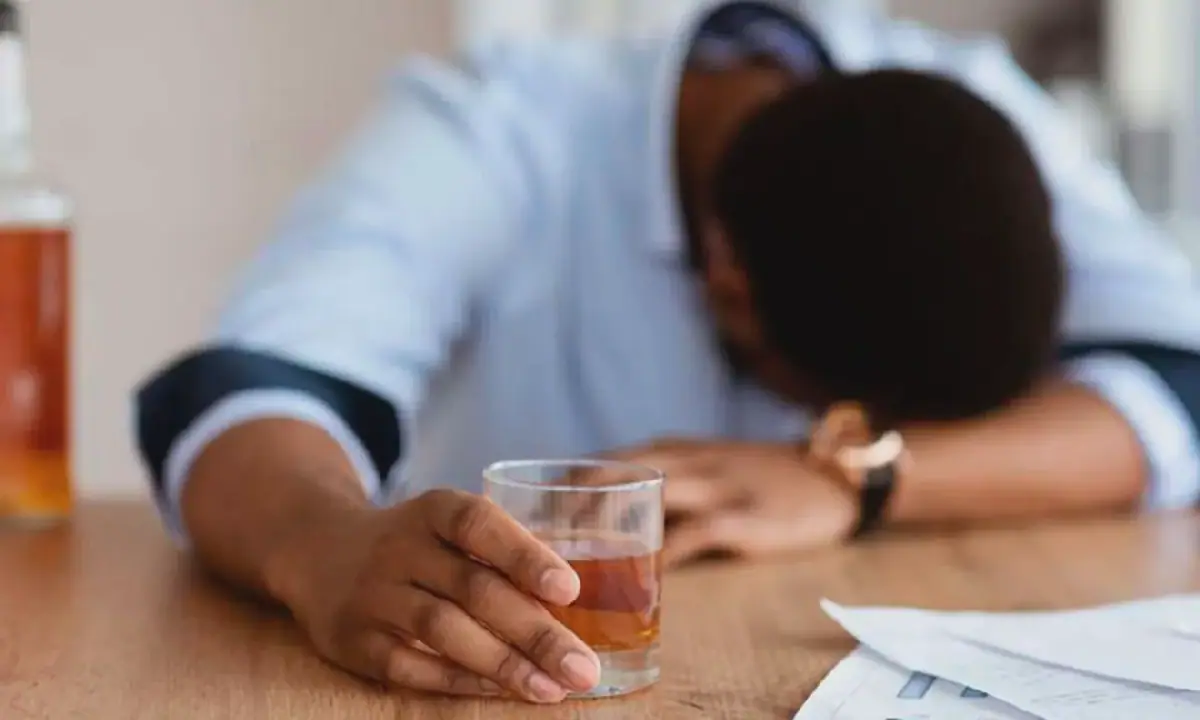
The Association of Breweries, Distilleries and Liquor Manufacturers (ABAK) has expressed concerns over a new bill that seeks to regulate the production and sale of liquor in Kenya. The bill, which was presented to parliament on November 5, proposes to raise the minimum age for buying and drinking liquor from 18 to 21 years. ABAK argues that this move could lead to the loss of Sh3.3 billion in annual revenue for the retail and hospitality sectors.
The bill also proposes to ban the sale of liquor in supermarkets and other outlets, and to impose a tax of Sh2 per liter of liquor produced or imported into the country. ABAK chairman Kui Kinyanjui says that these measures could lead to the closure of 1,792 licensed liquor outlets and the loss of 8,960 jobs. He also argues that the tax could increase the cost of producing liquor and make it difficult for manufacturers to compete with illicit traders.
According to ABAK, the new bill could also lead to a significant increase in the trade of illicit liquor, which already accounts for 60% of all liquor consumed in Kenya. A report by Euromonitor International in 2025 estimated that the government lost Sh120 billion in revenue in 2024 due to the trade of illicit liquor. ABAK is urging parliament to reconsider the bill and engage in further consultations with stakeholders.
The National Authority for the Control of Alcohol and Substance Abuse (NACADA) has expressed concerns about the high levels of alcohol consumption among university students. A report by NACADA in 2025 found that 87.3% of university students had consumed alcohol, making it the most widely used substance among this group. The authority has welcomed the proposed bill, saying it aims to protect public health and reduce the risk of young people starting to use alcohol and other substances at a young age.
However, ABAK argues that the bill could have unintended consequences, such as driving the trade of illicit liquor further underground. The association is also concerned that the proposed tax on liquor could increase the cost of production and make it difficult for manufacturers to compete with cheaper, illicit alternatives. Kinyanjui has called for a more nuanced approach to regulating the liquor industry.
The government has defended the proposed bill, saying it aims to protect public health and reduce the risk of young people starting to use alcohol and other substances at a young age. The bill is currently awaiting debate in parliament, and it is unclear when it will be passed into law. In the meantime, ABAK and other stakeholders will continue to engage with the government and parliament to express their concerns.
The liquor industry in Kenya has been facing significant challenges in recent years, including the rise of illicit trade and increased competition from cheaper alternatives. The industry has also been impacted by changes in consumer behavior and preferences, with many consumers turning to cheaper, low-end liquor products. ABAK and other industry players will be watching closely as the bill makes its way through parliament.
Key points
- The proposed bill aims to raise the minimum age for buying and drinking liquor from 18 to 21 years.
- The bill could lead to the loss of Sh3.3 billion in annual revenue for the retail and hospitality sectors.
- The trade of illicit liquor already accounts for 60% of all liquor consumed in Kenya.
Reporting sources
- Watengenezaji vileo nchini wapinga mswada mpya wa kuthibiti unywaji pombe · taifaleo.nation.co.ke