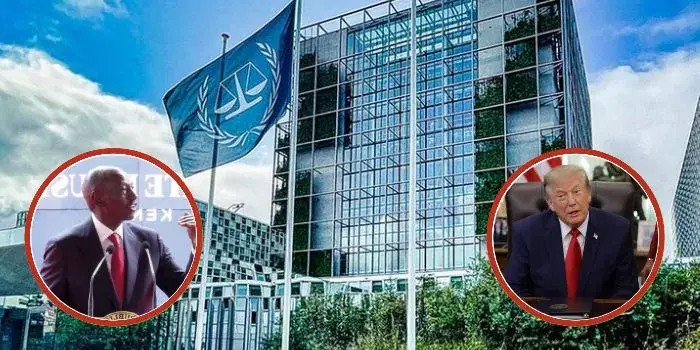
Kenya's Foreign Affairs Principal Secretary Korir Sing'Oei has called for urgent reforms at the International Criminal Court (ICC) in response to U.S. sanctions. The sanctions, announced by the U.S. government, aim to protect American sovereignty and curb what Washington views as illegitimate jurisdiction over U.S. personnel. Sing'Oei criticised the ICC for failing to meet its mandate and for being selective in its focus.
The Kenyan remarks came hours after the U.S. government announced sweeping financial sanctions on the ICC, banning transactions and limiting the court's access to financial services. The sanctions include a six-month grace period for some measures, allowing countries time to negotiate solutions to U.S. concerns. This move follows disputes over ICC investigations into alleged U.S. conduct in Afghanistan and cases involving Israeli officials.
United Nations Secretary-General António Guterres condemned the sanctions as a serious blow to the global pursuit of international criminal justice. A coalition of countries, including the United Kingdom, Canada, Denmark, Germany, France, Italy, Japan, and the Netherlands, also voiced opposition to the U.S. sanctions, urging reconsideration. Kenya has affirmed its commitment to working with other State Parties to improve the court's performance.
Korir Sing'Oei emphasised that the ICC must be reformed rather than punished. He called for "urgent reform, not sanctions," highlighting concerns about the court's case-handling approach. Kenya's foreign affairs principal secretary rejected the U.S. sanctions, pledging continued cooperation with other member states. This stance underscores the complexities of international relations and the challenges facing the ICC.
The U.S. action has sparked concerns about the potential impact on international criminal justice. The ICC has faced criticism for its handling of high-profile cases, including investigations into alleged war crimes in Afghanistan and Palestine. The court's legitimacy and effectiveness have been questioned by several countries, including the United States.
The sanctions have also raised concerns about the potential consequences for countries that cooperate with the ICC. The court's member states have expressed concerns about the U.S. move, which could undermine the court's ability to investigate and prosecute international crimes. Kenya's call for reforms reflects a broader desire to strengthen the ICC and ensure its effectiveness.
The international community will be watching closely as the situation unfolds. The ICC's future and its ability to investigate and prosecute international crimes will depend on the outcome of these developments. The court's reform and its relationship with countries like the United States will be crucial in determining its effectiveness in promoting international justice.
Key points
- Kenya's Foreign Affairs Principal Secretary Korir Sing'Oei has called for urgent reforms at the International Criminal Court.
- The U.S. sanctions aim to protect American sovereignty and curb what Washington views as illegitimate jurisdiction over U.S. personnel.
- A coalition of countries has voiced opposition to the U.S. sanctions, urging reconsideration.
Reporting sources
- Kenya Calls for ICC Reform After U.S. Sanctions · kenya-today.com