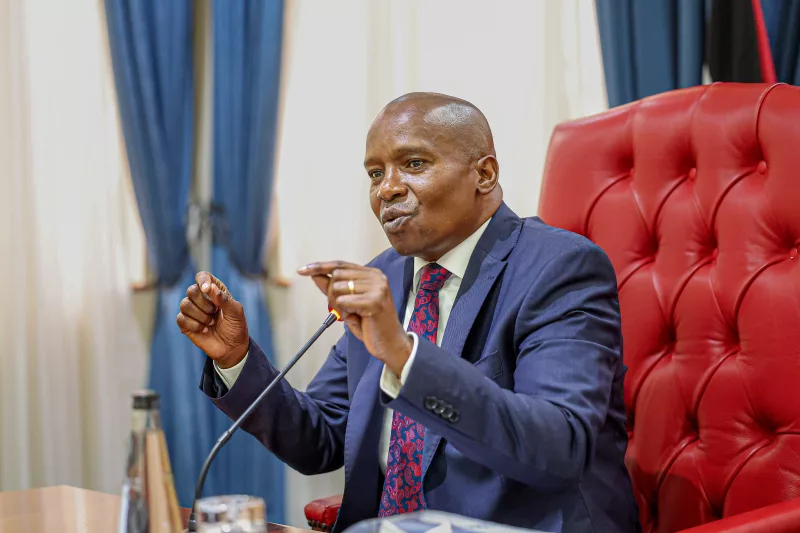
Deputy President Kithure Kindiki has announced a new plan to tackle illicit alcohol and drug abuse in Kenya. The plan includes the establishment of at least one public rehabilitation centre in every county, with the national and county governments partnering to build and operate the facilities within the next year. The estimated cost of each centre is Sh60 million. This move aims to complement the government's intensified enforcement against illicit alcohol manufacturers, distributors, and other players in the illegal drug trade.
The government has recently stepped up a multi-agency crackdown on unsafe alcoholic beverages and narcotics. Kindiki directed the Cabinet Secretary for Interior and National Administration, Kipchumba Murkomen, to convene a sector forum within 14 days. The forum will address licensing and regulation of alcohol trade and consumption, as well as the framework for establishing and operating rehabilitation services across the country. This move is expected to bring stakeholders together to find solutions to the problem.
Kindiki also directed enforcement and regulatory agencies to re-inspect manufacturers' premises to establish their current level of compliance with applicable standards and regulations. The exercise will target facilities involved in the production and distribution of alcoholic beverages. The goal is to ensure that only compliant products reach the market. This move is part of the government's efforts to regulate the alcohol industry and prevent the production and sale of illicit liquor.
A special session of the Intergovernmental Budget and Economic Council (IBEC) will be convened next month to consider further measures to address the economic effects of alcohol and drug abuse. Kindiki stated that the government is sustaining the crackdown to protect public health and national security. The government has been working to dismantle cartels, disrupt supply chains, and incapacitate unlicensed manufacturing establishments through intelligence-led multi-agency sting operations.
Kindiki revealed that recent measures, including the motivation of village elders through monthly stipends and the establishment of the National Government Administration Unit, have strengthened grassroots efforts against illicit alcohol and drugs. The government has also provided additional resources and equipment to security and regulatory agencies to enhance enforcement. This move has boosted the fight against illicit alcohol and drug abuse in the country.
The Deputy President made these announcements after meeting with Interior CS Kipchumba Murkomen, Inspector General of Police Douglas Kanja, and heads of regulatory and enforcement agencies. During the meeting, he received an update on measures already taken and proposals for the next phase of the crackdown. The government is working to ensure that the fight against illicit alcohol and drug abuse is effective and sustainable.
The new plan to combat illicit alcohol and drug abuse is a significant step towards addressing the problem in Kenya. With the establishment of public rehabilitation centres, increased regulation, and enhanced enforcement, the government aims to reduce the prevalence of illicit alcohol and drug abuse. The success of this plan will depend on the collaboration of all stakeholders, including the national and county governments, regulatory agencies, and the public.
Key points
- Establishment of at least one public rehabilitation centre in every county
- Intensified enforcement against illicit alcohol manufacturers, distributors, and other players in the illegal drug trade
- Increased resources and equipment for security and regulatory agencies to enhance enforcement