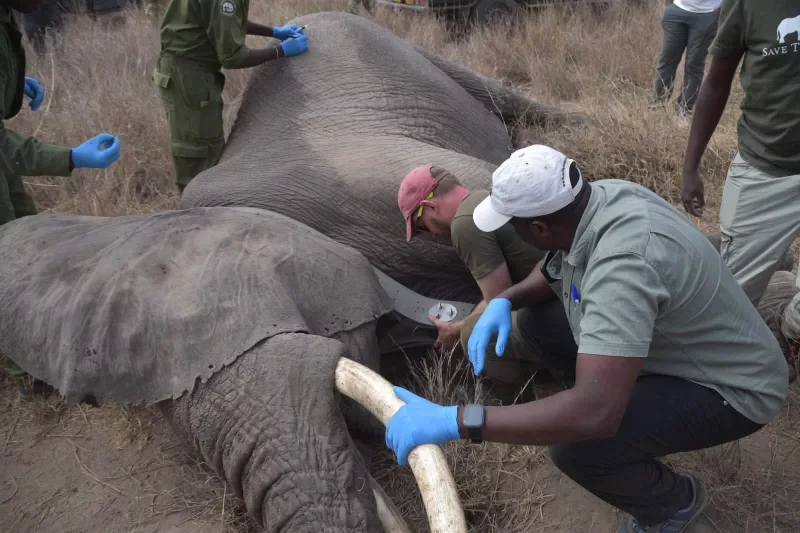
Kenya's conservation efforts are taking a significant turn with the introduction of a national wildlife database. The initiative, led by the Wildlife Research and Training Institute (WRTI), aims to collect, store, and utilize wildlife information effectively. This move is expected to revolutionize how Kenya protects its natural resources. The database will provide a centralized platform for information on wildlife species, habitats, migration routes, population trends, and conservation threats. This will enable evidence-based decision-making and inform conservation planning.
The proposed database is a critical component of Kenya's conservation strategy, as outlined in the Wildlife Conservation and Management Act of 2013. WRTI Director Dr. Patrick Omondi emphasized that the database is a legal requirement and a shared responsibility among stakeholders. The initiative seeks to bring together scattered research from various institutions, including universities, conservation organizations, and government agencies. This will create a comprehensive picture of Kenya's biodiversity, facilitating informed decision-making.
The national wildlife database will have far-reaching implications for conservation efforts. Reliable data will enable conservationists to understand species' habitats, population changes, and threats. This information will influence decisions on protected areas, wildlife corridors, habitat restoration, and conservation funding. For instance, data on migratory sea turtles will allow Kenya to coordinate conservation measures with other countries, ensuring the species' survival.
The importance of shared data in conservation cannot be overstated. WRTI Board chairman Dr. David Nkedianye stressed that modern conservation relies on reliable information. The national database will strengthen Kenya's ability to understand changes in wildlife populations and ecosystems, providing policymakers with evidence to guide decisions. The platform is envisioned as a shared national resource, owned by no single institution.
Stakeholder participation is crucial to the database's success. Dr. Nkedianye emphasized that the platform must be shaped by the people and institutions that generate, manage, and use wildlife information. The WRTI has engaged with representatives from government agencies, research institutions, academia, conservation organizations, and other stakeholders to ensure the database meets their needs.
Conservation organizations are eager to contribute to the database. Dr. Colin Jackson, Director of A Rocha Kenya, noted that every conservation decision begins with data. The organization is prepared to share information gathered through long-term monitoring programs covering various wildlife species. The combined data will create a more complete understanding of Kenya's biodiversity.
The national wildlife database has the potential to become a valuable planning tool for government agencies, environmental regulators, and developers. It will help assess the impact of projects on sensitive ecosystems, promoting sustainable development. With the database, Kenya is poised to take a significant step forward in protecting its wildlife and natural resources.
Key points
- The national wildlife database will provide a centralized platform for information on wildlife species, habitats, and conservation threats.
- The initiative is a critical component of Kenya's conservation strategy, as outlined in the Wildlife Conservation and Management Act of 2013.
- The database will enable evidence-based decision-making and inform conservation planning.