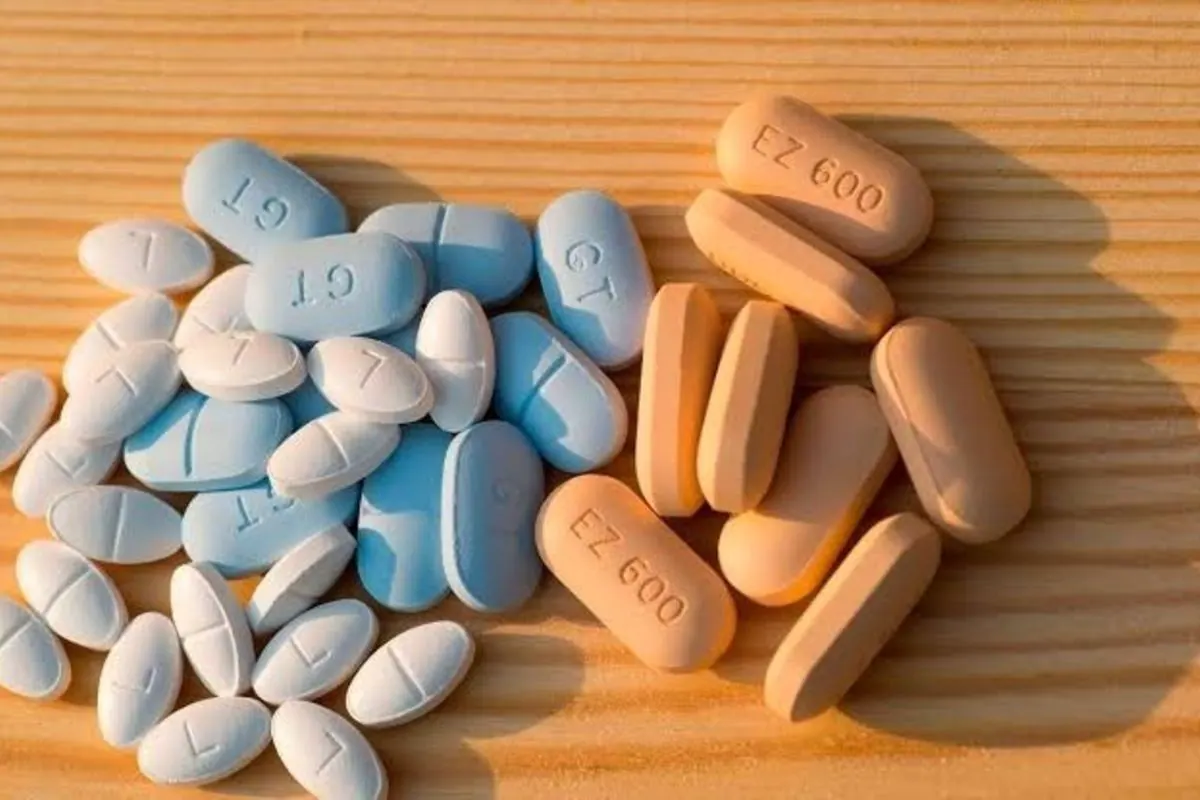
Kenya is set to become one of three African countries to manufacture alimatravir, an investigational once-monthly HIV prevention pill. Universal Corporation Limited, a Kenyan pharmaceutical manufacturer, has been granted a royalty-free voluntary licence by Merck to produce generic versions of the drug for 129 low- and middle-income countries. This licence allows Kenya to prepare production capacity and regulatory processes in anticipation of potential approval.
The licensing agreement is significant as it enables manufacturers to prepare for production while alimatravir is still undergoing Phase 3 trials. Merck's early agreements with manufacturers aim to ensure that supplies can be available quickly if the medicine is approved. Alimatravir, also known as MK-8527, is designed to be taken once a month as an oral PrEP option. Two Phase 3 trials, EXPrESSIVE-10 and EXPrESSIVE-11, are currently underway to test the medicine's safety and effectiveness.
The EXPrESSIVE-10 trial is being conducted among adolescent girls and young women in Kenya, Uganda and South Africa, while EXPrESSIVE-11 is testing the medicine among populations with a higher likelihood of HIV acquisition in 16 countries. Kenya-based research is part of the clinical evidence being generated in the same region where the medicine could eventually be manufactured and used. This arrangement also includes plans to support African manufacturing capacity.
Unitaid has announced technical and financial support for Universal Corporation Limited, Quality Chemical Industries Limited in Uganda and Aspen Pharmacare in South Africa to strengthen their ability to produce quality-assured alimatravir and other HIV prevention medicines. Merck has also committed to producing an initial "bridge" supply for low- and middle-income countries at no profit, intended to help prevent delays between potential regulatory approval and the availability of generic supplies.
The Bill & Melinda Gates Foundation is supporting the late-stage clinical development of alimatravir, while the US International Development Finance Corporation is among the institutions involved in efforts to mobilise private capital for the programme. Merck has said preliminary data indicate that alimatravir could begin providing protection against HIV within about an hour of dosing and may offer roughly a week's grace period if a monthly dose is missed.
The potential low cost and once-monthly dosing of alimatravir are intended to address some of the challenges associated with daily PrEP, including adherence and access. The medicine could potentially be supplied to national health systems at about $5 per person a year, although the final price would depend on several factors. However, alimatravir remains an investigational medicine, and its Phase 3 trials are expected to provide the evidence needed for regulatory authorities to determine whether it can be approved for use.
If the trials are successful and regulatory approval is granted, the licensing arrangement could allow African manufacturers to begin supplying the medicine without having to wait years to establish generic production capacity. The development comes as African countries seek to increase local pharmaceutical production and reduce dependence on imported medicines. President William Ruto has highlighted the need for Africa to produce more of its own medicines, citing the continent's significant disease burden and limited production capacity.
Key points
- Kenya, Uganda and South Africa will manufacture alimatravir if clinical trials confirm its safety and effectiveness.
- The medicine could potentially be supplied to national health systems at about $5 per person a year.
- African countries are seeking to increase local pharmaceutical production and reduce dependence on imported medicines.